
Walmart CEO John Furner Commits to No Personalized Pricing Using AI Tools
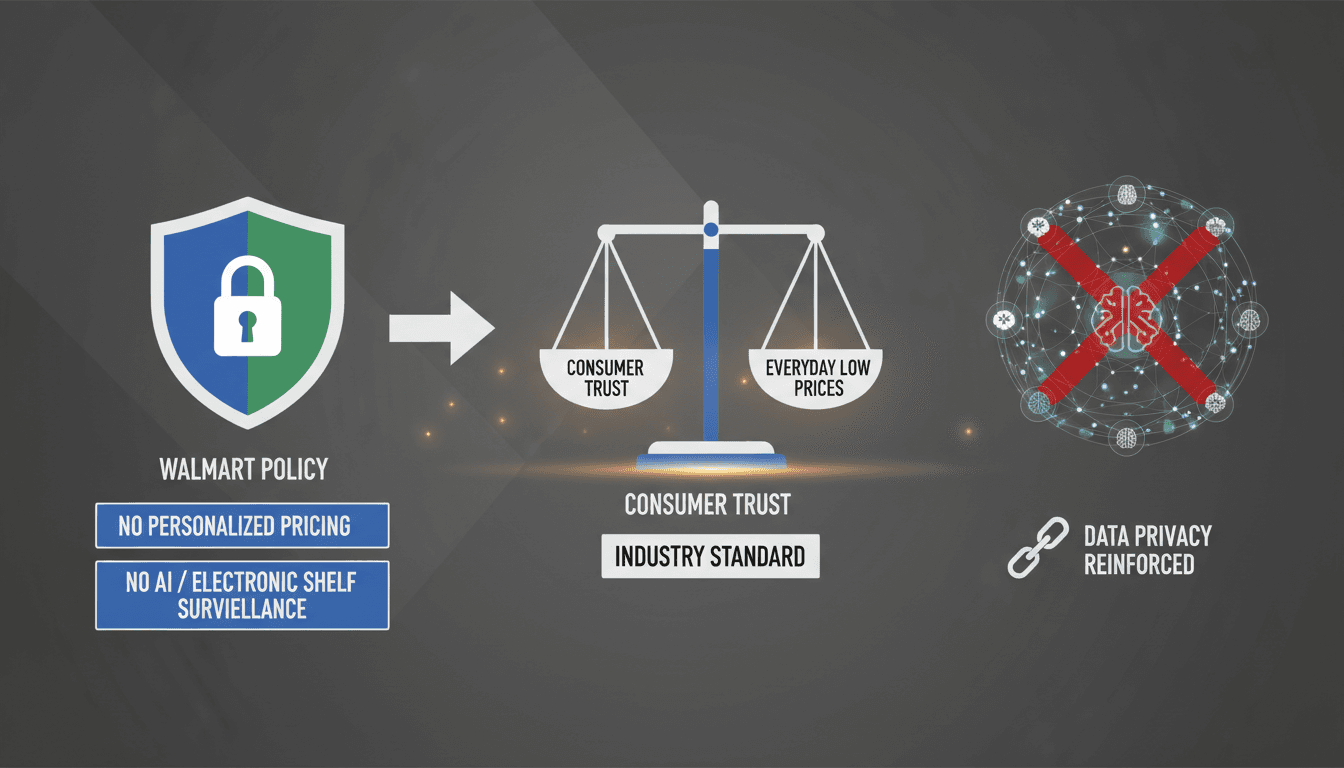
You can shop at Walmart without worrying about being charged different prices based on your personal data.
Why it matters
This policy reflects a significant stance against surveillance-based pricing practices in retail, impacting consumer trust and market dynamics.
What happened (in 30 seconds)
- On September 25, 2026, Walmart CEO John Furner announced a commitment to not use AI or electronic shelf labels for personalized pricing.
- The policy aims to maintain Walmart's Everyday Low Prices (EDLP) model, ensuring consistent pricing for all customers.
- This decision responds to growing public and regulatory scrutiny over potential surveillance pricing practices amid technological advancements.
The context you actually need
- Walmart is rapidly deploying electronic shelf labels across over 2,300 U.S. stores, with plans for full coverage by the end of 2026.
- Concerns arose from earlier patent filings suggesting the potential for dynamic pricing based on customer data, prompting consumer backlash.
- Furner's commitments include transparency in data usage and a clear distinction between product pricing and individual shopper profiles.
What's really happening
Walmart's recent policy commitment against personalized pricing is a strategic move to address rising consumer concerns and regulatory scrutiny surrounding the use of AI and digital technologies in retail. As the company rolls out electronic shelf labels (ESLs) across its stores, it faces the challenge of balancing technological innovation with consumer trust. The deployment of ESLs is designed to streamline operations, ensuring that prices displayed on shelves match those at checkout, thereby reducing manual labor and errors.
However, the introduction of AI tools like Sparky, Walmart's shopping assistant, raised alarms about potential surveillance pricing practices. Patent applications for dynamic pricing systems hinted at a future where prices could vary based on individual shopper data, such as income or purchase history. This prospect led to significant public backlash and legislative concerns, prompting Walmart to clarify its stance.
In his memo, Furner outlined three explicit commitments: no differential pricing based on shopper identity, no use of AI to manipulate prices based on shared customer information, and a promise to uphold data protection standards. This approach aligns with Walmart's longstanding EDLP strategy, which emphasizes consistent pricing across all customers, regardless of their shopping habits or financial status.
By publicly committing to these principles, Walmart aims to reassure customers that their shopping experience will remain fair and transparent. This move not only addresses immediate concerns but also positions Walmart as a leader in ethical retail practices, potentially influencing industry standards. As other retailers consider similar technologies, Walmart's stance could set a precedent for how AI and data analytics are utilized in pricing strategies.
The implications of this policy extend beyond Walmart itself. As consumers become more aware of data privacy issues, companies that prioritize transparency and ethical practices may gain a competitive edge. Conversely, those that fail to address these concerns could face backlash, impacting their reputation and sales.
Who feels it first (and how)
- Consumers: Shoppers at Walmart can expect consistent pricing without the fear of being charged differently based on personal data.
- Retail competitors: Other retailers may feel pressure to adopt similar policies to maintain consumer trust.
- Regulators: Government bodies monitoring retail practices will likely scrutinize how companies implement AI and pricing strategies.
What to watch next
- Consumer sentiment: Monitor public reactions to Walmart's policy and whether it influences shopping behavior.
- Regulatory developments: Watch for any new legislation aimed at regulating AI use in retail pricing.
- Competitor responses: Observe how other retailers adjust their pricing strategies in light of Walmart's commitments.
Walmart will not implement personalized pricing based on shopper identity.
Other retailers may adopt similar policies to avoid consumer backlash.
The long-term impact on Walmart's sales and customer loyalty remains to be seen.
Frequently Asked Questions
- Why it matters?
- This policy reflects a significant stance against surveillance-based pricing practices in retail, impacting consumer trust and market dynamics.
- What happened (in 30 seconds)?
- On September 25, 2026, Walmart CEO John Furner announced a commitment to not use AI or electronic shelf labels for personalized pricing. The policy aims to maintain Walmart's Everyday Low Prices (EDLP) model, ensuring consistent pricing for all customers. This decision responds to growing public and regulatory scrutiny over potential surveillance pricing practices amid technological advancements.
- What's really happening?
- Walmart's recent policy commitment against personalized pricing is a strategic move to address rising consumer concerns and regulatory scrutiny surrounding the use of AI and digital technologies in retail. As the company rolls out electronic shelf labels (ESLs) across its stores, it faces the challenge of balancing technological innovation with consumer trust. The deployment of ESLs is designed to streamline operations, ensuring that prices displayed on shelves match those at checkout, thereby r
- Who feels it first (and how)?
- Consumers: Shoppers at Walmart can expect consistent pricing without the fear of being charged differently based on personal data. Retail competitors: Other retailers may feel pressure to adopt similar policies to maintain consumer trust. Regulators: Government bodies monitoring retail practices will likely scrutinize how companies implement AI and pricing strategies.
- What to watch next?
- Consumer sentiment: Monitor public reactions to Walmart's policy and whether it influences shopping behavior. Regulatory developments: Watch for any new legislation aimed at regulating AI use in retail pricing. Competitor responses: Observe how other retailers adjust their pricing strategies in light of Walmart's commitments.
Curated tech headlines including AI stories.
"Influential aggregator surfacing the day’s top tech/AI links."
— A47 Editor
Walmart CEO John Furner says the company won't use its AI shopping assistant or electronic shelf labels to change product prices based on a shopper's identity (Gregory Meyer/Financial Times)
Walmart CEO John Furner announced that the company will not utilize its AI shopping assistant or electronic shelf labels to adjust product prices based on a shopper's identity. This decision was communicated in an open letter, emphasizing Walmart's c...
Editor-curated FT homepage stories spanning markets, business, world, and opinion.
"The Financial Times is a globally respected business publication with a centrist/center-left tone and strong markets focus."
— A47 Editor
Walmart chief rules out personalised pricing as AI transforms retail
Walmart's chief executive has announced that the company will not implement personalized pricing strategies, despite the ongoing transformation of retail through artificial intelligence. This decision comes in light of the company's commitment to mai...
Business and tech news excluding paywalled content.
"High-volume business/tech outlet with frequent AI coverage."
— A47 Editor
Walmart won't charge a 'personalized price', CEO says
Walmart CEO John Furner announced in a memo to employees and customers that the company will not implement personalized pricing through artificial intelligence or digital shelf labels. This decision clarifies Walmart's stance on pricing strategies am...