
Gulf Oil Producers Sustain 80% Crude Flows Amid Iran Conflict
Why it matters
The sustained oil flows through the Strait of Hormuz are crucial for global energy security amid rising geopolitical tensions.
What happened (in 30 seconds)
- Gulf oil producers maintained average daily crude flows of 13.1 million barrels through the Strait of Hormuz as of September 30, 2026.
- US Navy escorts and operational workarounds enabled these producers to sustain approximately 80% of pre-war export levels despite ongoing conflict with Iran.
- Saudi Arabia and other Gulf nations adapted logistics to counter Iranian disruptions, restoring significant export volumes after a sharp decline earlier in the year.
The context you actually need
- The conflict with Iran began in February 2026, leading to attempts to disrupt shipping routes critical for oil exports.
- Initial reliance on alternative pipelines was hampered by drone attacks, forcing Gulf producers to innovate logistics solutions.
- Global oil inventories have declined by approximately 555 million barrels since the conflict began, raising concerns about supply stability and price volatility.
What's really happening
The Strait of Hormuz is a vital artery for global oil transport, with about 20% of the world's oil passing through it. The ongoing conflict with Iran has created a precarious situation for Gulf oil producers, who have historically relied on this route for their exports. In response to Iranian threats and actual disruptions, these producers have implemented a series of strategic adaptations to maintain their export levels.
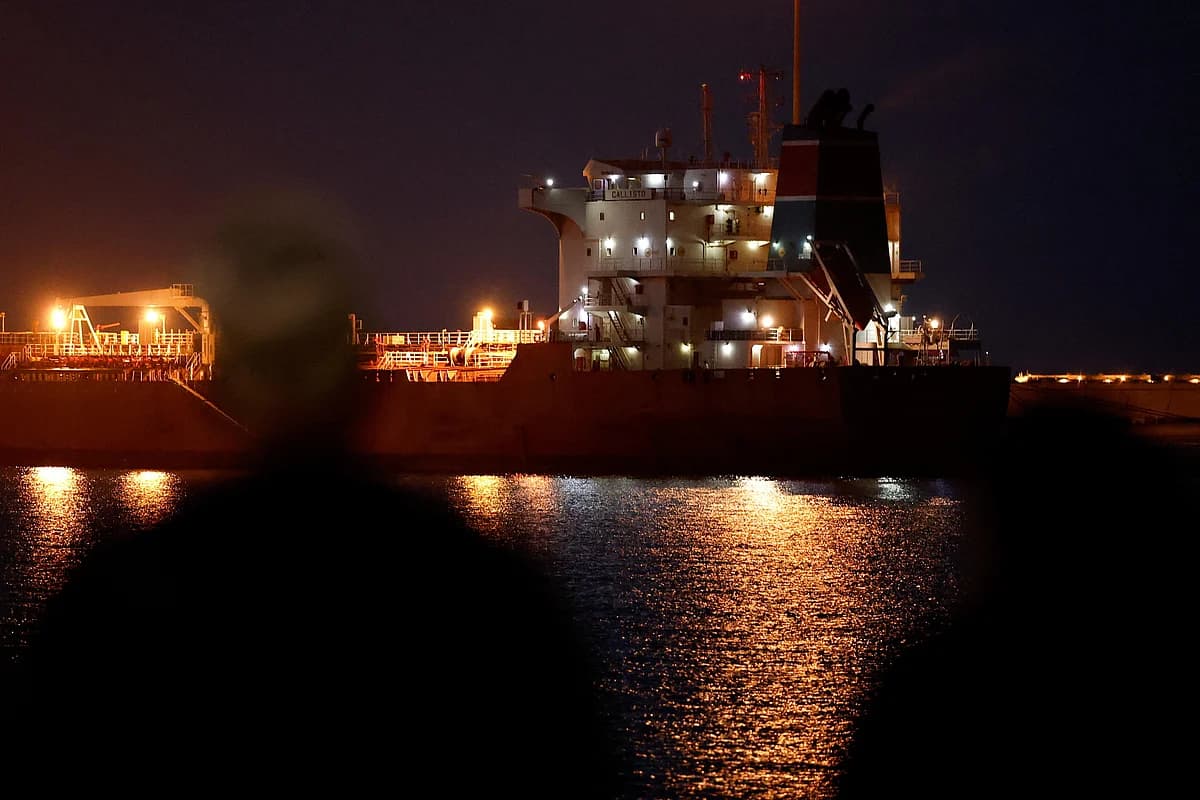
By September 2026, Gulf oil flows had rebounded to an average of 13.1 million barrels per day, representing about 80% of pre-war levels. This recovery was facilitated by military escorts from the US Navy, which provided a protective presence in the region, allowing for safer transit of oil tankers. Additionally, Gulf producers employed "dark transits," where vessels turn off their Automatic Identification Systems (AIS) to avoid detection, and rerouted shipments to bypass high-risk areas.
Saudi Arabia, in particular, has been proactive in shifting its logistics. After initial disruptions to the Saudi East-West Pipeline (Petroline) due to drone attacks, the country redirected its oil exports back to Gulf terminals, notably increasing loadings at Ras Tanura to 3.25 million barrels per day. This flexibility has been crucial in mitigating the impact of Iranian aggression and maintaining market stability.
Despite these efforts, the broader geopolitical landscape remains fraught with uncertainty. The conflict has led to elevated global fuel prices, with diesel exceeding $6 per gallon in the US. Analysts are cautiously optimistic about the resilience shown by Gulf producers but warn that any further escalation in hostilities could lead to significant disruptions in oil supply, exacerbating price volatility and impacting global markets.
The situation is further complicated by the fact that Iran's own oil exports have been severely limited due to blockades, which has contributed to the tightening of global inventories. As Gulf producers continue to navigate these challenges, their ability to sustain high export levels will be critical not only for their economies but also for global energy security.
Who feels it first (and how)
- Consumers: Higher fuel prices directly affect transportation and logistics costs, impacting everyday expenses.
- Logistics companies: Increased freight costs due to elevated oil prices can squeeze margins and affect service pricing.
- Energy-dependent industries: Sectors like manufacturing and agriculture may face rising operational costs, leading to potential price increases for goods.
- Investors: Fluctuations in oil prices can impact stock valuations in energy and related sectors, influencing investment strategies.
What to watch next
- US military presence: Continued naval support in the region will be crucial for maintaining safe shipping lanes and stabilizing oil flows.
- Iranian actions: Any escalation in Iranian military operations could disrupt oil exports and lead to price spikes.
- Global inventory levels: Monitoring changes in oil inventories will provide insights into market stability and potential price movements.
Gulf oil producers have successfully maintained significant export levels through military and logistical adaptations.
Continued geopolitical tensions will keep oil prices elevated and may lead to further supply chain disruptions.
The long-term impact of the conflict on global oil markets and energy security remains uncertain.
Frequently Asked Questions
- Why it matters?
- The sustained oil flows through the Strait of Hormuz are crucial for global energy security amid rising geopolitical tensions.
- What happened (in 30 seconds)?
- Gulf oil producers maintained average daily crude flows of 13.1 million barrels through the Strait of Hormuz as of September 30, 2026. US Navy escorts and operational workarounds enabled these producers to sustain approximately 80% of pre-war export levels despite ongoing conflict with Iran. Saudi Arabia and other Gulf nations adapted logistics to counter Iranian disruptions, restoring significant export volumes after a sharp decline earlier in the year.
- What's really happening?
- The Strait of Hormuz is a vital artery for global oil transport, with about 20% of the world's oil passing through it. The ongoing conflict with Iran has created a precarious situation for Gulf oil producers, who have historically relied on this route for their exports. In response to Iranian threats and actual disruptions, these producers have implemented a series of strategic adaptations to maintain their export levels. By September 2026, Gulf oil flows had rebounded to an average of 13.1 mil
- Who feels it first (and how)?
- Consumers: Higher fuel prices directly affect transportation and logistics costs, impacting everyday expenses. Logistics companies: Increased freight costs due to elevated oil prices can squeeze margins and affect service pricing. Energy-dependent industries: Sectors like manufacturing and agriculture may face rising operational costs, leading to potential price increases for goods. Investors: Fluctuations in oil prices can impact stock valuations in energy and related sectors, influencing
- What to watch next?
- US military presence: Continued naval support in the region will be crucial for maintaining safe shipping lanes and stabilizing oil flows. Iranian actions: Any escalation in Iranian military operations could disrupt oil exports and lead to price spikes. Global inventory levels: Monitoring changes in oil inventories will provide insights into market stability and potential price movements.
UAE-based newspaper covering Gulf politics, society, and international developments.
"Gulf News is one of the UAE’s most prominent English-language publications."
— A47 Editor
Defying war fears, Gulf oil producers keep massive crude flows moving through Strait of Hormuz
Gulf oil producers continue to maintain significant crude oil flows through the Strait of Hormuz, despite ongoing geopolitical tensions and fears of conflict in the region. This decision underscores their commitment to sustaining oil exports amid a c...
A curated Gulf News feed featuring major stories across news, business, opinion, and lifestyle.
"Gulf News is a major UAE newspaper whose featured stories feed reflects a broad editorial mix shaped for a Gulf audience."
— A47 Editor
Defying war fears, Gulf oil producers keep massive crude flows moving through Strait of Hormuz
Gulf oil producers continue to maintain significant crude oil flows through the Strait of Hormuz, despite ongoing geopolitical tensions and fears of conflict in the region. This decision underscores their commitment to sustaining oil exports amid a c...
Global markets, investing, and macroeconomics from a premier financial newsroom.
"Bloomberg is respected for in-depth financial reporting and data-driven analysis."
— A47 Editor
Latest Oil Market News and Analysis for Sept. 30
Oil prices have stabilized following a significant drop, as Saudi Arabia has resumed oil flows through a pipeline that circumvents the Strait of Hormuz, bringing supply levels close to pre-war conditions. This development comes after a period of heig...
UAE-based English-language newspaper covering regional politics, economics, and global affairs.
"The National reflects Emirati policy perspectives while maintaining international editorial standards."
— A47 Editor
Oil flows through Strait of Hormuz rise on Saudi pivot as Red Sea traffic plunges
Oil flows through the Strait of Hormuz have increased as Saudi Arabia resumes ship-to-ship oil transfers, marking a significant pivot in its operations amid declining traffic in the Red Sea. This shift comes after a period of reduced activity due to ...
Global political, business, and cultural coverage from WSJ international desks.
"The Wall Street Journal offers extensive international reporting with a reputation for financial insight and a center-right editorial stance."
— A47 Editor
Saudi Arabia Resumes Red Sea Oil Exports in Blow to Iran
Saudi Arabia has resumed oil exports through the Red Sea, with Saudi Aramco operating the pipeline at a throughput rate of approximately 3.5 million barrels per day. This development follows a period of disruption caused by drone attacks on the East-...