
Energy Business
Latest news, analysis, and updates on Energy Business from A47 News.
10 stories in Business · Updated live

Possible Houthi Strike on Saudi East-West Oil Pipeline Reported Amid Escalating Attacks
Unconfirmed reports indicate a potential Houthi strike on Saudi Arabia's East-West oil pipeline, with satellite imagery showing smoke and thermal anomalies along the route. This incident follows a series of Houthi missile and drone attacks on southern Saudi Arabia that began on September 8, 2026, escalating tensions in the region. The long-term implication may involve increased military responses from Saudi Arabia and further disruptions to global oil markets amid ongoing conflicts in the region.
UAE and Germany Sign €9.66 Billion in Economic Agreements at Munich Business Forum
The UAE and Germany have signed 30 agreements valued at €9.66 billion during the Germany-UAE Business Forum held in Munich. This strategic partnership is driven by the UAE's commitment to diversify its investments and strengthen economic ties amid global geopolitical uncertainties. The establishment of a German-UAE Investment Council indicates a long-term focus on enhancing bilateral trade and cooperation across multiple sectors.

Saudi Arabia Shuts Down East-West Crude Oil Pipeline Following Drone Attacks
Saudi Arabia's East-West Crude Oil Pipeline was shut down on September 11, 2026, as a precautionary measure after multiple drone attacks targeted its infrastructure on September 10. The immediate trigger for this action was the injuries and damage caused by the attacks, which were attributed to drones launched from Iraqi territory. In the long term, this incident may lead to increased scrutiny of regional security and potential shifts in oil export strategies amid ongoing tensions in the area.
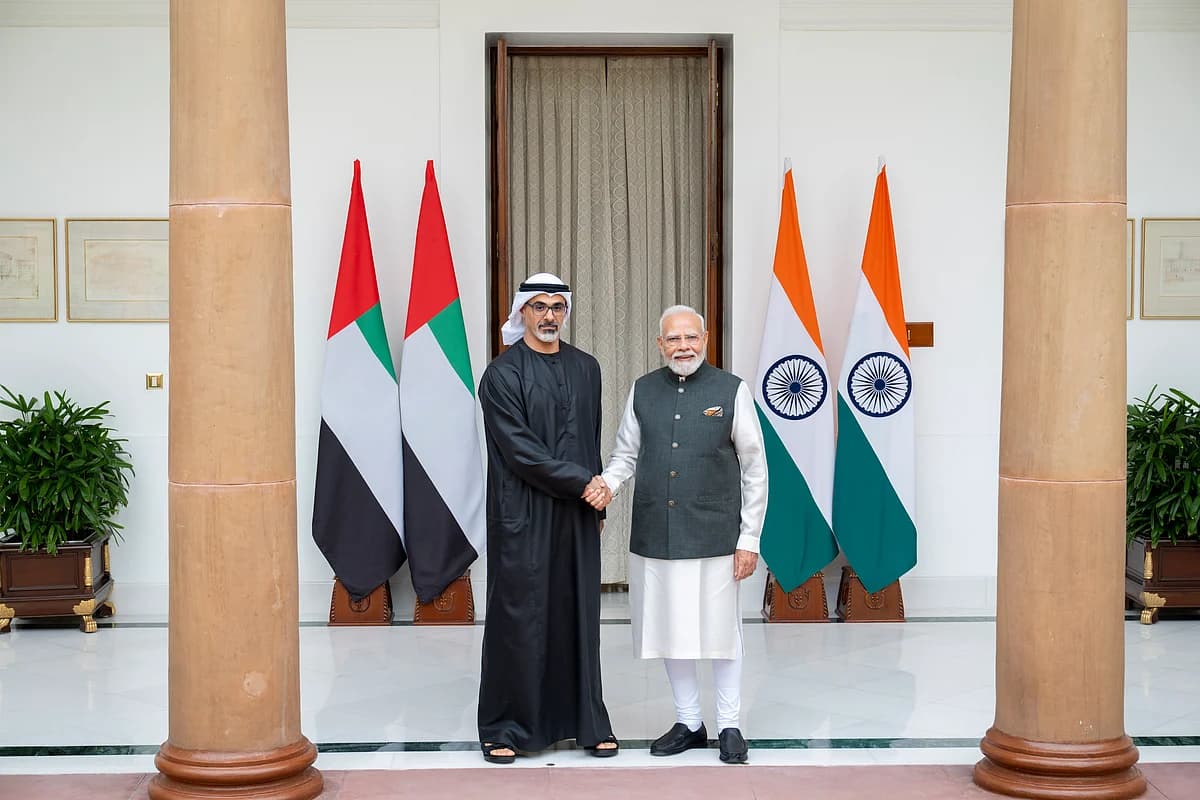
Abu Dhabi Crown Prince and Indian Prime Minister Strengthen Economic Ties at BRICS Summit
On September 12, 2026, Sheikh Khaled bin Mohamed bin Zayed Al Nahyan met with Indian Prime Minister Narendra Modi during the 18th BRICS Summit in New Delhi. The meeting aimed to reinforce UAE-India relations through the Comprehensive Economic Partnership Agreement and discuss significant investments, including an $11.5 billion aluminium project in India. This collaboration is expected to enhance bilateral trade and investment, positioning both nations for greater economic integration and strategic alignment within the BRICS framework.
Latest Stories
Saudi Arabia Shuts Down East-West Crude Oil Pipeline Following Drone Attacks
Saudi Arabia's East-West Crude Oil Pipeline was shut down on September 11, 2026, as a precautionary measure after multiple drone attacks targeted its infrastructure on September 10. The immediate trigger for this action was the injuries and damage caused by the attacks, which were attributed to drones launched from Iraqi territory. In the long term, this incident may lead to increased scrutiny of regional security and potential shifts in oil export strategies amid ongoing tensions in the area.
S&P Global Ratings Affirms Saudi Arabia's Sovereign Credit Rating at A+ with Stable Outlook
S&P Global Ratings has affirmed Saudi Arabia's long-term sovereign credit rating at A+ with a stable outlook. This affirmation is driven by the Kingdom's resilience to geopolitical pressures and its ongoing economic diversification efforts under Vision 2030. The long-term implication suggests continued investor confidence and potential for robust economic growth, particularly in the non-oil sector, despite projected short-term GDP contraction.
Possible Houthi Strike on Saudi East-West Oil Pipeline Reported Amid Escalating Attacks
Unconfirmed reports indicate a potential Houthi strike on Saudi Arabia's East-West oil pipeline, with satellite imagery showing smoke and thermal anomalies along the route. This incident follows a series of Houthi missile and drone attacks on southern Saudi Arabia that began on September 8, 2026, escalating tensions in the region. The long-term implication may involve increased military responses from Saudi Arabia and further disruptions to global oil markets amid ongoing conflicts in the region.
Abu Dhabi Crown Prince and Indian Prime Minister Strengthen Economic Ties at BRICS Summit
On September 12, 2026, Sheikh Khaled bin Mohamed bin Zayed Al Nahyan met with Indian Prime Minister Narendra Modi during the 18th BRICS Summit in New Delhi. The meeting aimed to reinforce UAE-India relations through the Comprehensive Economic Partnership Agreement and discuss significant investments, including an $11.5 billion aluminium project in India. This collaboration is expected to enhance bilateral trade and investment, positioning both nations for greater economic integration and strategic alignment within the BRICS framework.