
Energy Business
Latest news, analysis, and updates on Energy Business from A47 News.
24 stories in Business · Updated live
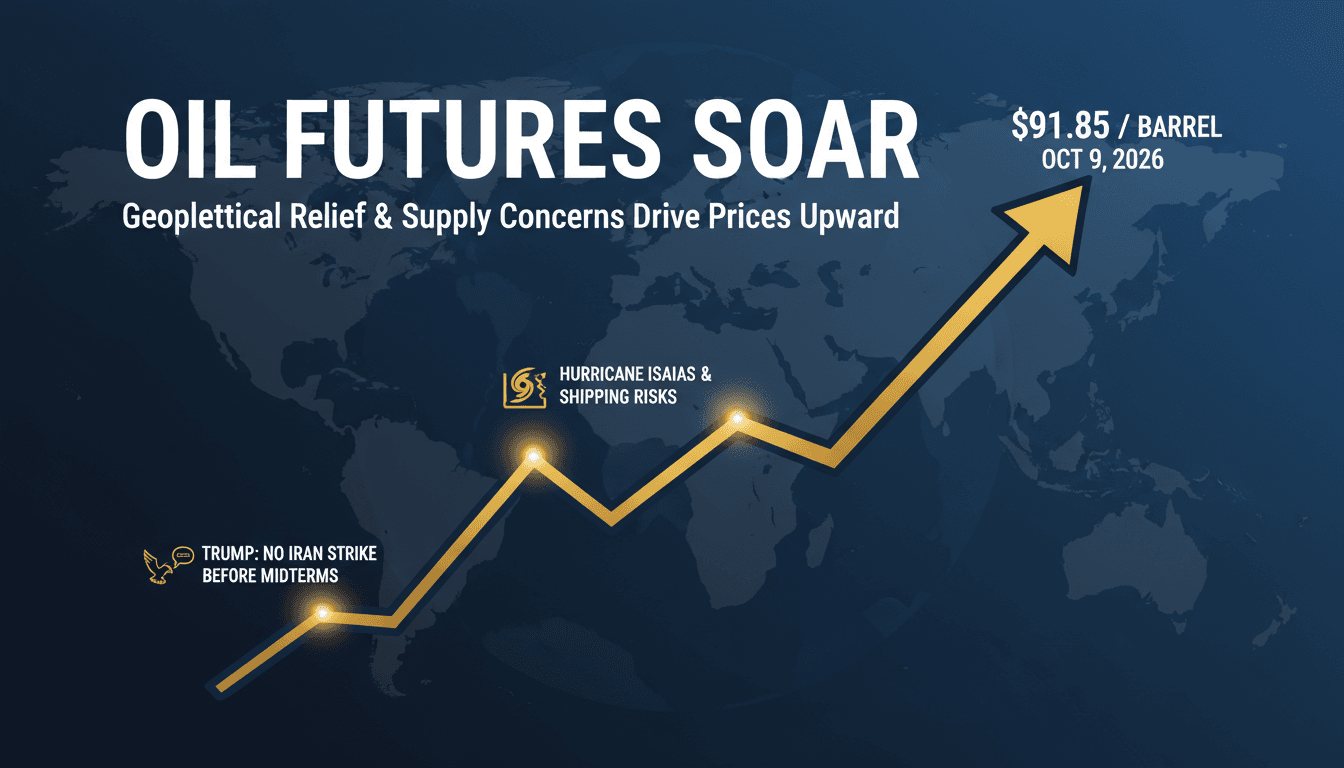
Oil Futures Rise Amid Geopolitical Relief and Supply Concerns
Oil futures settled modestly higher on October 9, 2026, with WTI crude rising 0.4% to $91.85 per barrel. This increase was triggered by U.S. President Donald Trump's assurance that there would be no military action against Iran before the midterm elections, countering ongoing supply disruptions from Hurricane Isaias and regional shipping risks. Long-term, the market may continue to experience volatility as geopolitical tensions and climate-related disruptions persist, impacting global oil prices and energy strategies.
U.S. Pressures Europe to Release Diesel Reserves Amid Rising Prices
The Trump administration has intensified diplomatic efforts to persuade European allies to release diesel from emergency stockpiles as U.S. diesel prices surged by 70% since February 2026. This push is a direct response to supply disruptions caused by the U.S.-Israel conflict with Iran and reduced Russian exports due to Ukrainian strikes. The long-term implication is a coordinated G7 response to stabilize global diesel supplies, which may influence U.S. energy policy and market dynamics ahead of midterm elections.

U.S. Energy Companies Invest Billions in Nuclear Power Upgrades to Meet AI Demand
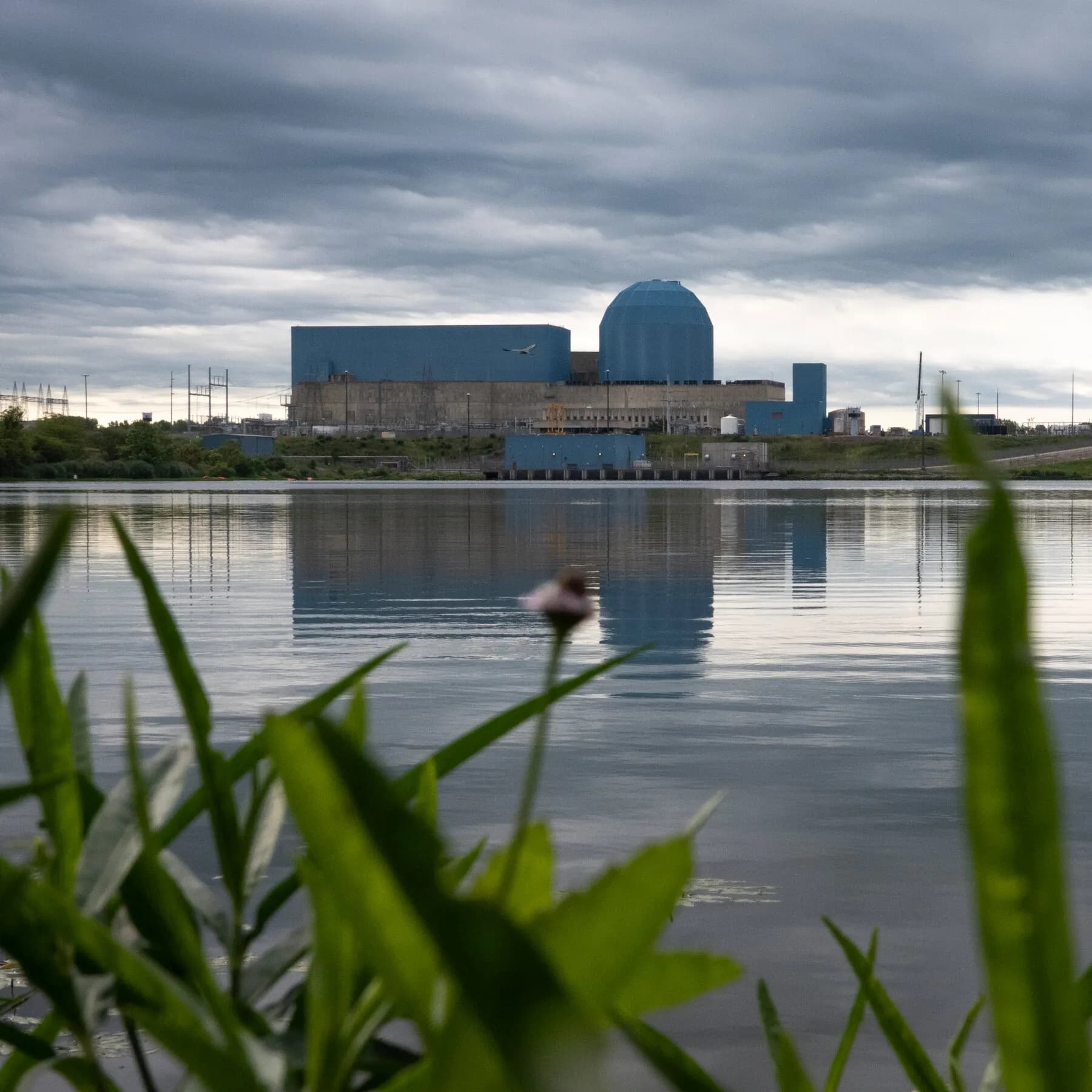
On October 6, 2026, Constellation Energy announced a $4.3 billion investment in power uprates across 11 reactors to add 890 megawatts of capacity. This initiative is driven by the surging electricity demand from artificial intelligence data centers, prompting energy firms to enhance existing nuclear infrastructure rather than build new plants. Long-term, these upgrades could significantly increase U.S. nuclear capacity, potentially delivering the equivalent of six to eight new large reactors nationwide within five years.
OPEC+ Maintains November 2026 Oil Production Targets at 31.01 Million Barrels Per Day
On October 4, 2026, seven core OPEC+ members decided to keep crude oil production levels unchanged for November 2026 at 31.01 million barrels per day. This decision follows a cautious approach to supply management amid ongoing geopolitical disruptions in the Middle East and a commitment to the Declaration of Cooperation. The long-term implication is that stability in production targets may help moderate volatility in global oil prices, influencing economic stability in oil-dependent regions.

Latest Stories
Hurricane Isaias Makes Landfall in Florida as Category 2 Storm
Hurricane Isaias made landfall near Destin, Florida, on October 9-10, 2026, as a Category 2 storm with maximum sustained winds of 105 mph. The storm's impact was triggered by unusually warm Gulf waters and a late hurricane season influenced by El Niño conditions, leading to emergency declarations across multiple states. Long-term implications include scrutiny of federal emergency response capabilities and potential disruptions in oil and gas production in the Gulf region.
Oil Futures Rise Amid Geopolitical Relief and Supply Concerns
Oil futures settled modestly higher on October 9, 2026, with WTI crude rising 0.4% to $91.85 per barrel. This increase was triggered by U.S. President Donald Trump's assurance that there would be no military action against Iran before the midterm elections, countering ongoing supply disruptions from Hurricane Isaias and regional shipping risks. Long-term, the market may continue to experience volatility as geopolitical tensions and climate-related disruptions persist, impacting global oil prices and energy strategies.
Brent Crude Oil Prices Surpass $100 Amid Middle East Tensions
On October 7, 2026, Brent crude oil prices exceeded $100 per barrel, reaching approximately 101.7 USD. This surge is driven by escalating geopolitical tensions in the Middle East, including attacks on energy infrastructure and shipping routes. The long-term implication is a sustained risk premium in oil prices, contingent on the resolution of regional conflicts and OPEC+ production strategies.
Explosions in Strait of Hormuz Linked to Naval Mine Strikes on Oil Tankers
Multiple explosions were reported in the southern passage of the Strait of Hormuz, attributed to oil tankers striking naval mines. This incident occurred amid heightened tensions between Iran and the US, with Iran enforcing navigation compliance against vessels deviating from authorized routes. The long-term implication may include increased volatility in oil prices and further constraints on shipping traffic through this critical waterway.