
Oil prices decline amid escalating US-Iran tensions
Here's what it means for you.
The recent decline in oil prices signals heightened market sensitivity to geopolitical tensions, particularly between the U.S. and Iran. Investors should brace for potential volatility as ongoing conflicts may disrupt oil supply routes, notably through the critical Strait of Hormuz. This situation could lead to fluctuations in energy prices, impacting both consumers and businesses reliant on stable oil markets. As the situation develops, stakeholders in the energy sector must remain vigilant. The implications of these tensions extend beyond immediate price changes, potentially affecting long-term energy strategies and policies.
What happened
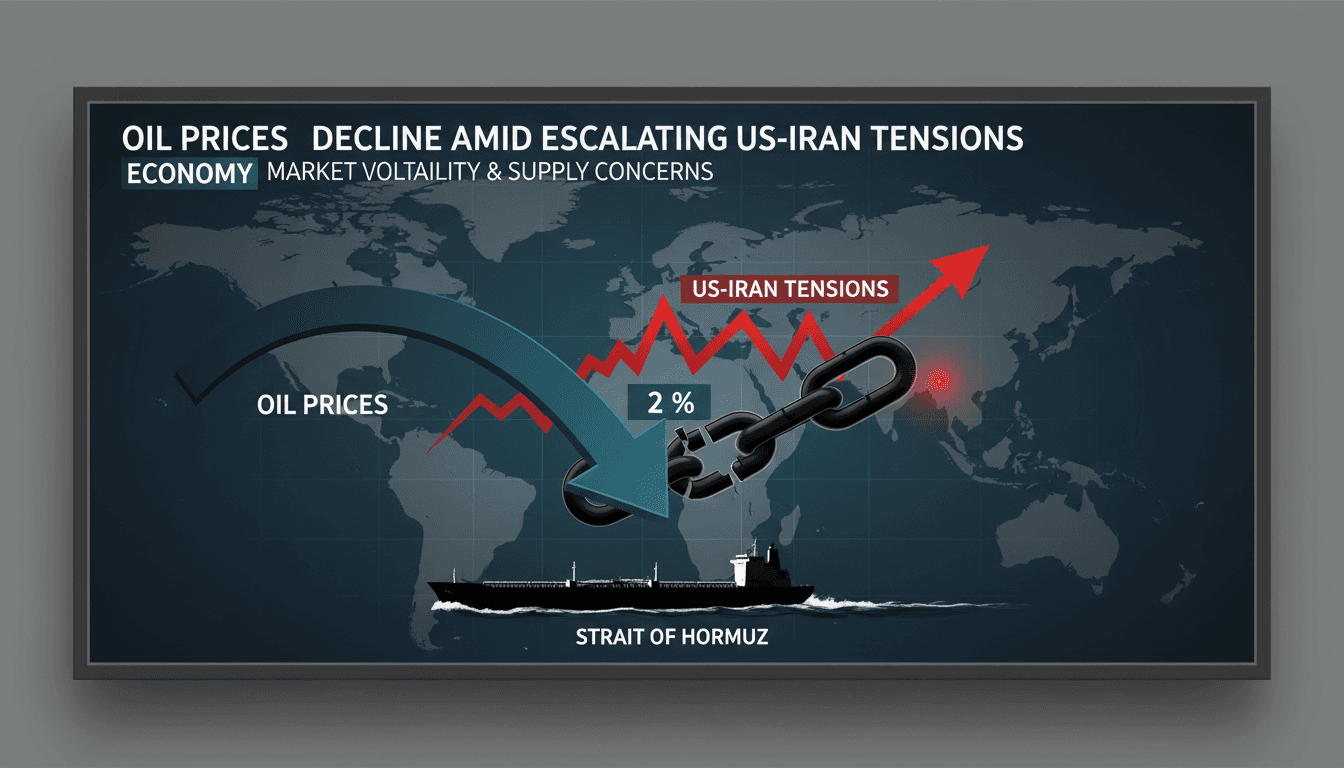
Oil prices dropped by approximately 2% at settlement amid rising tensions in the Middle East. The decline followed the U.S. launching new strikes against Iran, which raised concerns about the stability of oil supply routes. Recent trading saw Brent crude oil futures fall by 1.72 dollars, or 2.2%, settling at 76.90 dollars per barrel.
West Texas Intermediate crude oil also experienced a decline of 1.6%. The market's reaction reflects fears of prolonged conflict affecting oil supply routes, leading to significant price fluctuations.
The Context
The escalating tensions between the U.S. and Iran have created a precarious situation for the oil market. The Strait of Hormuz is a vital passage for oil shipments, and any disruption could have far-reaching consequences for global oil supply. The recent U.S. military actions have intensified concerns among traders and analysts about the potential for further instability in the region.
As geopolitical risks mount, the energy sector is on high alert. Stakeholders, including OPEC countries, are closely monitoring developments, as changes in oil production levels could further influence market dynamics.
Takeaway
Looking ahead, continued geopolitical tensions are likely to lead to further volatility in oil prices. Investors should monitor developments in U.S.-Iran relations closely, as any escalation could impact market stability. Additionally, changes in oil production levels from OPEC countries will be crucial to watch, as they may respond to the shifting landscape.
The oil market's sensitivity to geopolitical events underscores the importance of strategic planning for businesses and policymakers alike. As the situation evolves, stakeholders must remain adaptable to navigate potential disruptions.
Arabic-language economic and business reporting with strong UAE market relevance.
"Emarat Al Youm business coverage often centers UAE property, banking, consumer issues, and economic policy."
— A47 Editor
تراجع أسعار النفط بنحو 2% عند التسوية تراجع أسعار النفط بنحو 2% عند التسوية
Oil prices experienced a decline of approximately 2% at settlement, with Brent crude futures dropping by $1.72, reflecting a 2.2% decrease. This downturn was reported on July 9, 2026, highlighting ongoing fluctuations in the oil market.
Algerian and regional news coverage.
"Echorouk is a major Algerian outlet with broad national reporting."
— A47 Editor
أسعار النفط تتراجع بأكثر من 1 بالمئة مع تصاعد الصراع الأمريكي الإيراني
Oil prices fell by more than 1% on Thursday, influenced by the escalating conflict between the United States and Iran, which could impact efforts to end the war and fully reopen the Strait of Hormuz. According to Reuters, Brent crude futures dropped ...
Arabic-language coverage of Saudi, regional, and international affairs.
"Al Bilad offers mainstream Saudi newspaper coverage across domestic and broader Arab topics."
— A47 Editor
النفط يقفز والذهب ينخفض مع تجدد التوتر في الشرق الأوسط
Oil prices surged today following new U.S. airstrikes against Iran, dampening hopes for an end to the conflict and the complete reopening of the Strait of Hormuz. Brent crude futures rose by 78 cents, or 1%, reaching $78.8 per barrel, while West Texa...