
Goldman Sachs Warns of Oil Supply Delays Due to U.S.-Iran Tensions
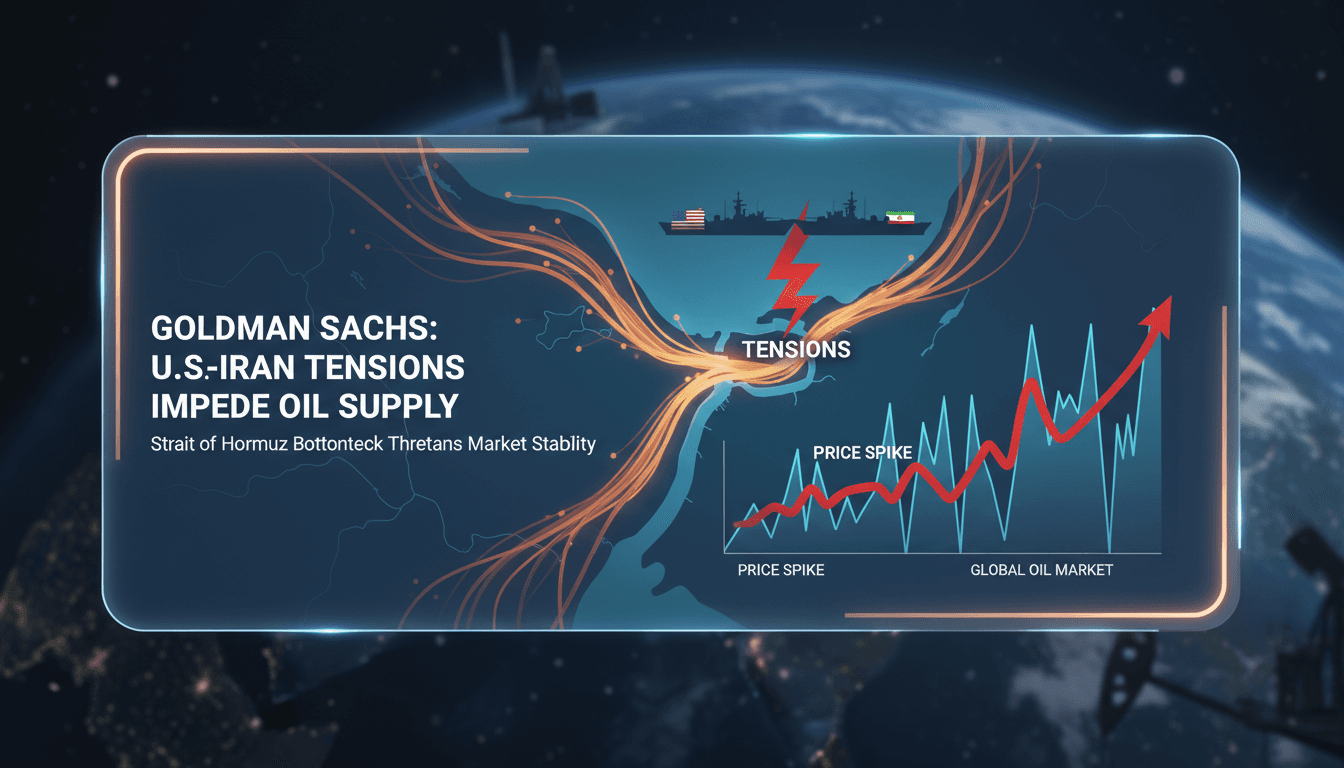
Here's what it means for you.
Goldman Sachs has raised alarms about the potential for oil supply disruptions stemming from renewed tensions between the U.S. and Iran. The Strait of Hormuz, a critical artery for global oil shipments, is at the center of this volatility. Stakeholders in the oil market should prepare for possible fluctuations in prices and supply stability as geopolitical dynamics evolve. The implications of these tensions extend beyond immediate supply concerns, potentially affecting global market confidence. Investors and policymakers must remain vigilant as developments unfold, particularly regarding U.S.-Iran relations and their impact on oil transportation routes.
What happened
Goldman Sachs has indicated that escalating tensions in the Strait of Hormuz may delay the recovery of oil supplies from the Middle East. This warning comes despite a temporary ceasefire between the U.S. and Iran, highlighting the precarious nature of the situation. The firm emphasizes that disruptions in this vital shipping route pose significant risks to oil markets.
Daan Struyven from Goldman Sachs described the Middle East as a "highly uncertain environment" for oil, underscoring the ongoing challenges in the region. The report suggests that any flare-up in hostilities could further complicate recovery efforts for oil supplies.
The Context
The Strait of Hormuz is a crucial passage for global oil shipments, with approximately 20% of the world's oil trade passing through this narrow waterway. Recent developments in U.S.-Iran relations have raised concerns about the stability of oil supplies, particularly as China faces weaknesses in its oil imports. Goldman Sachs has highlighted the significant risks that continue to loom over the Middle Eastern oil market.
As geopolitical tensions persist, the implications for global oil prices and market stability are profound. Stakeholders must consider the broader context of international relations and their potential impact on oil transportation and supply chains.
Takeaway
The situation in the Middle East remains volatile, and any escalation in tensions could have far-reaching implications for global oil prices. Investors and market participants should closely monitor developments in U.S.-Iran relations, as well as changes in China's oil import strategies. The ongoing uncertainty necessitates a cautious approach to oil market investments.
As the geopolitical landscape evolves, stakeholders should remain alert to potential disruptions in shipping routes and the broader implications for international oil markets.
Oil, metals, and agriculture: supply/demand headlines, OPEC chatter, inventories, and price action.
"Solid tape for energy and metals traders tracking macro and micro catalysts."
— A47 Editor
Goldman flags key constraint on oil supply recovery as U.S.-Iran tensions escalate
Goldman Sachs has identified a significant constraint on the recovery of oil supply amid escalating tensions between the U.S. and Iran, which have been exacerbated by recent military actions. This situation has raised concerns about potential disrupt...
Global markets, investing, and macroeconomics from a premier financial newsroom.
"Bloomberg is respected for in-depth financial reporting and data-driven analysis."
— A47 Editor
Goldman Says Hormuz Flare-Up May Delay Recovery in Oil Supplies
Goldman Sachs Group Inc. has indicated that renewed tensions in the Strait of Hormuz could delay the recovery of oil supplies in the Middle East, as disruptions threaten shipping routes crucial for global oil transport.
Global markets, investing, and macroeconomics from a premier financial newsroom.
"Bloomberg is respected for in-depth financial reporting and data-driven analysis."
— A47 Editor
MidEast Still A 'Highly Uncertain Environment' for Oil, Says Daan Struyven
Daan Struyven, co-head of global commodities research at Goldman Sachs, highlighted the ongoing risks in the oil market despite a ceasefire between the US and Iran and increased tanker movements through the Strait of Hormuz. He noted that the current...