
Economy
Latest economy news covering growth, inflation, trade, policy, jobs, and major market-moving developments from A47 News.
58 stories - Updated live
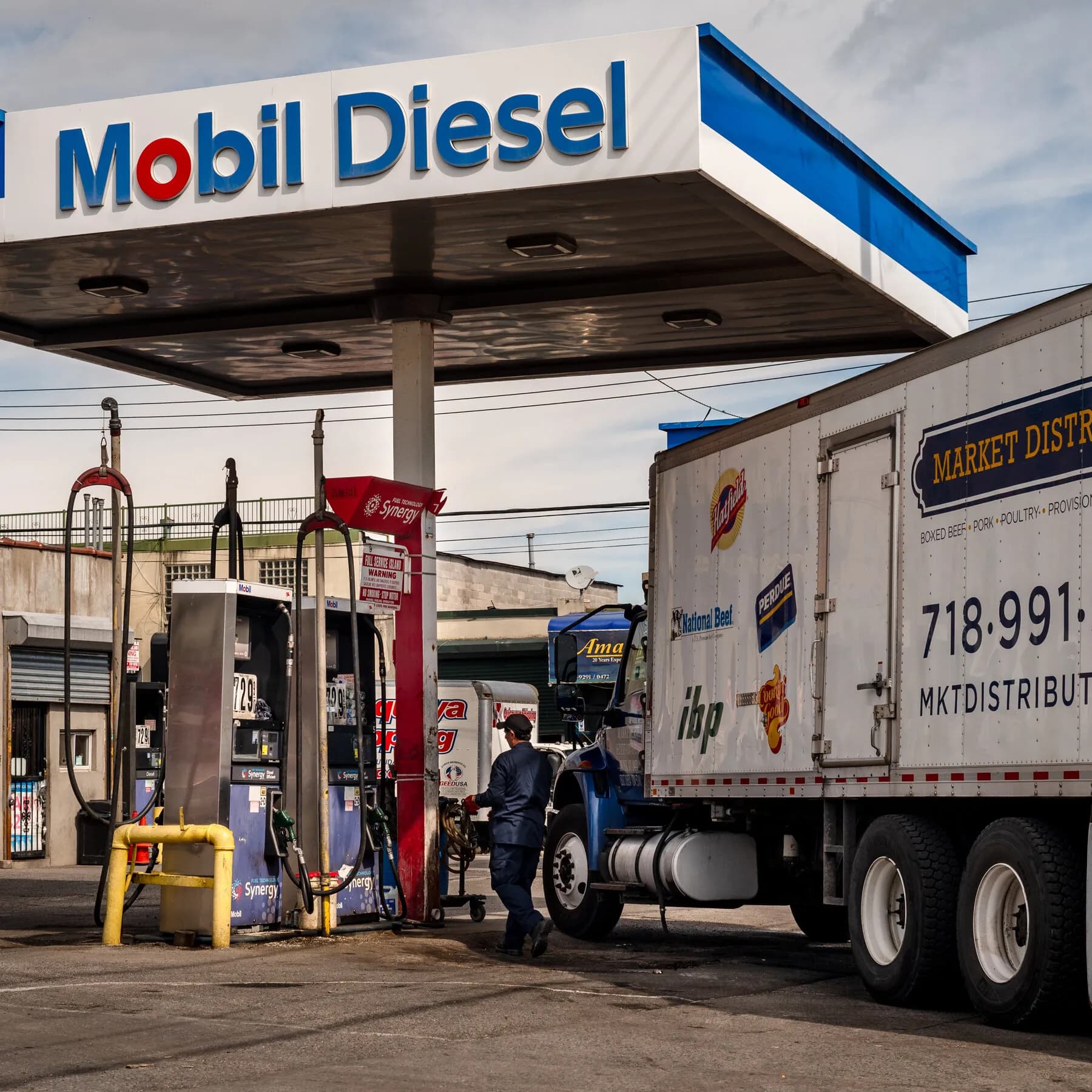
G7 Nations Announce Release of 100 Million Barrels of Oil Reserves to Combat Rising Fuel Prices
On October 2, 2026, the G7 nations agreed to release 100 million barrels of diesel and crude oil from strategic reserves over four months. This decision was triggered by soaring fuel prices resulting from the ongoing war in Iran, which has disrupted oil supplies. The long-term implication is a potential stabilization of energy markets, although underlying supply constraints may persist due to refinery damages.
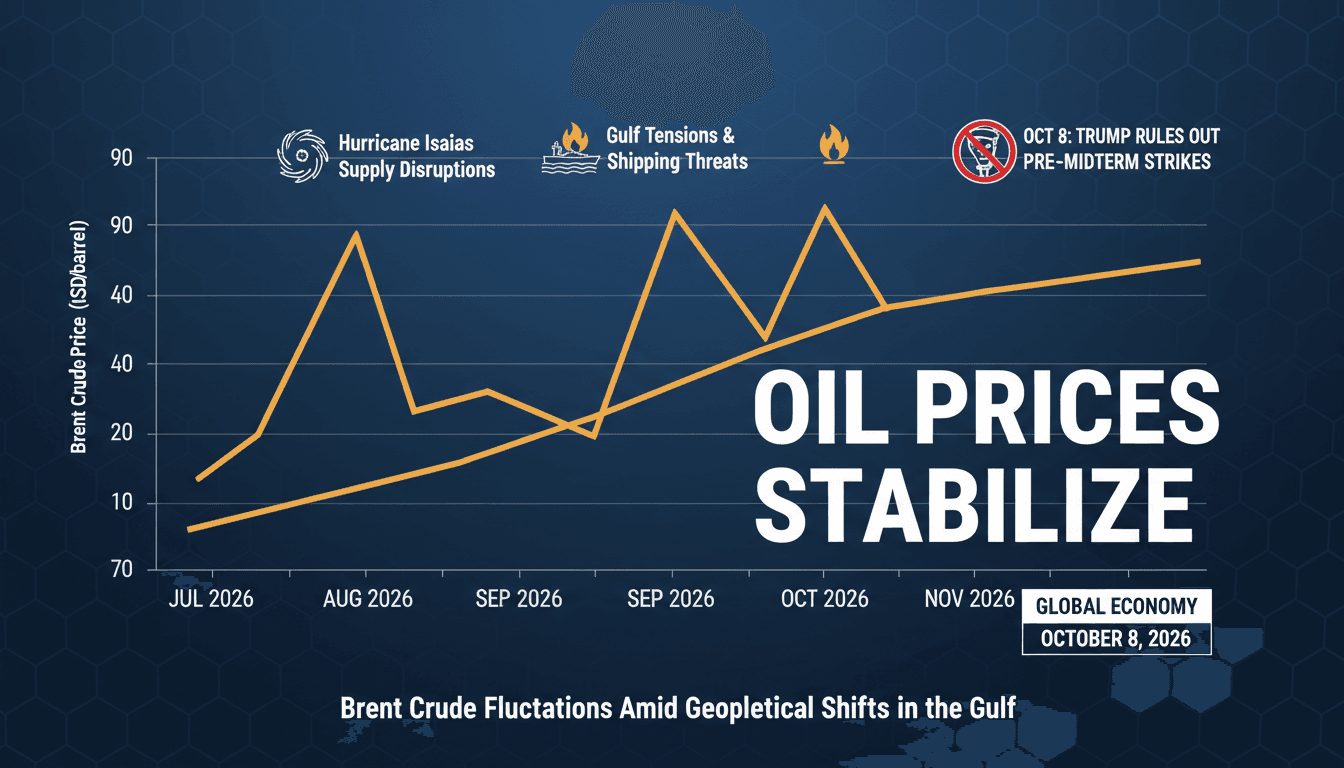
Oil Prices Stabilize as Trump Rules Out Pre-Midterm Strikes on Iran
On October 8, 2026, President Donald Trump announced that the U.S. would not conduct military strikes on Iran before the upcoming midterm elections, leading to a stabilization of oil prices. This decision followed heightened tensions and speculation regarding potential U.S. military actions amid ongoing Gulf conflicts and supply disruptions from Hurricane Isaias. The long-term implication suggests that while immediate escalation risks have decreased, persistent threats to shipping in the Strait of Hormuz may continue to affect oil market dynamics.
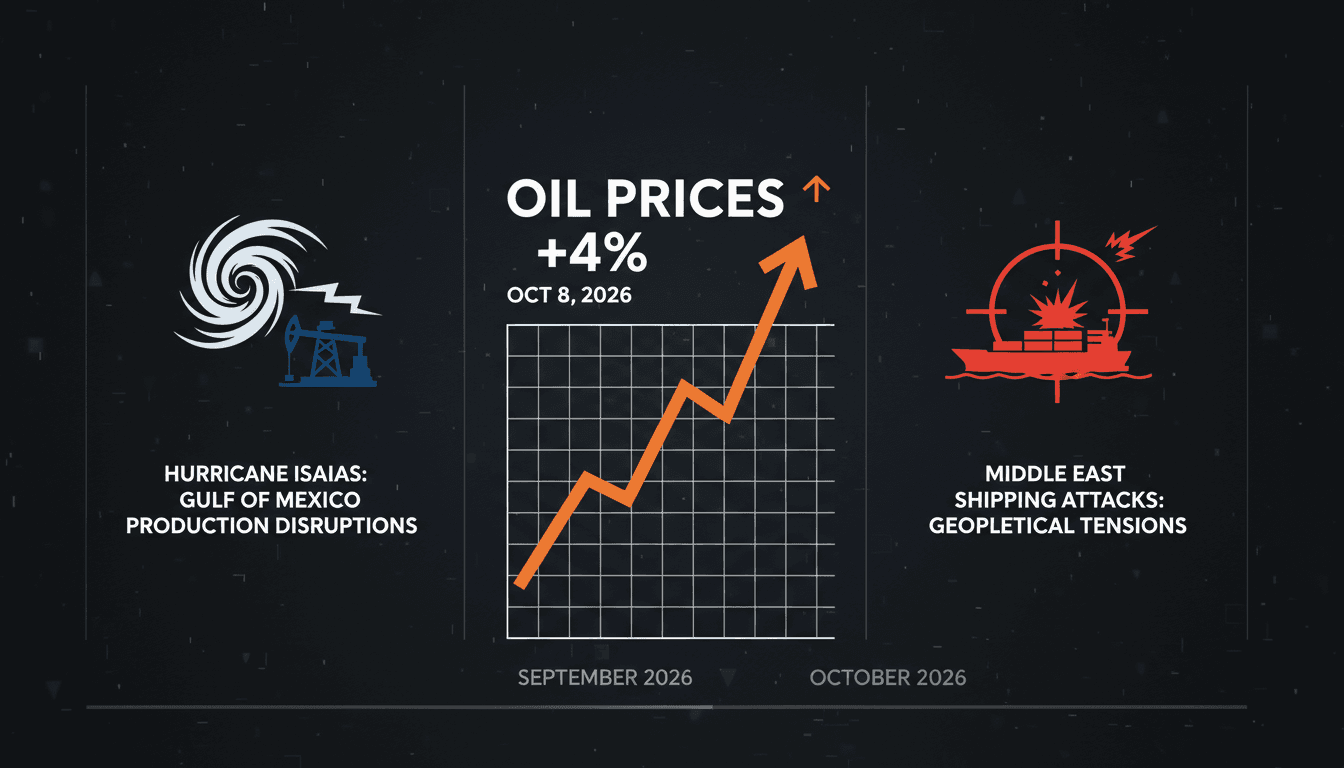
Oil Prices Rise Over 4% Due to Middle East Shipping Attacks and Hurricane Disruptions
On October 8, 2026, oil prices surged more than 4% as geopolitical tensions from shipping attacks in the Gulf and production disruptions caused by Hurricane Isaias intensified supply concerns. The immediate trigger for this spike was the combination of increased military threats in the region and significant output curtailments in the US Gulf of Mexico. Long-term implications suggest that sustained geopolitical instability and weather-related disruptions may lead to continued volatility in global oil markets and elevated prices.
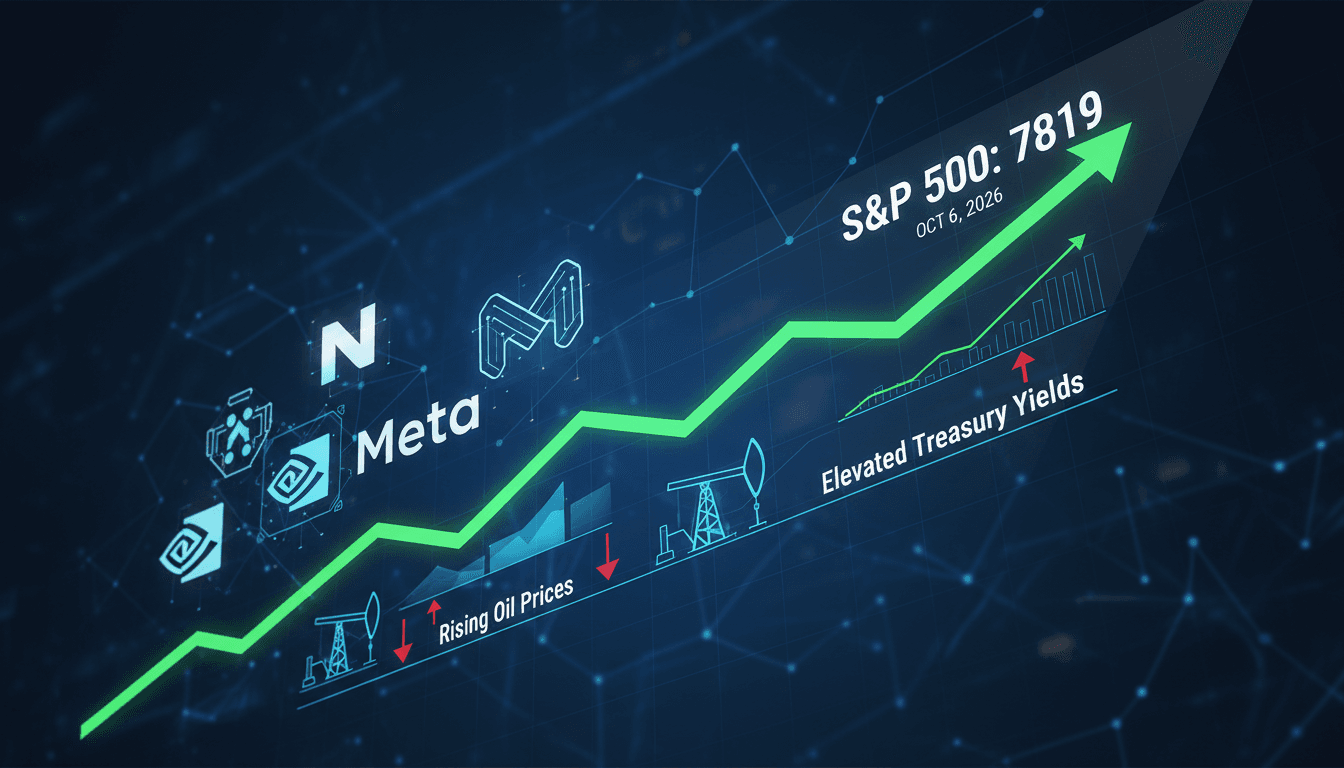
S&P 500 Hits Record High Fueled by AI-Driven Tech Stocks
On October 6, 2026, the S&P 500 closed at a record high of approximately 7,819, primarily driven by gains in AI-linked technology stocks. This surge occurred despite rising oil prices and elevated Treasury yields, reflecting strong performance from major tech firms like Nvidia and Meta Platforms. The narrow market breadth raises concerns about sustainability, suggesting potential volatility ahead as broader sectors lag behind.
OPEC+ Maintains November 2026 Oil Production Targets at 31.01 Million Barrels Per Day
On October 4, 2026, seven core OPEC+ members decided to keep crude oil production levels unchanged for November 2026 at 31.01 million barrels per day. This decision follows a cautious approach to supply management amid ongoing geopolitical disruptions in the Middle East and a commitment to the Declaration of Cooperation. The long-term implication is that stability in production targets may help moderate volatility in global oil prices, influencing economic stability in oil-dependent regions.

Latest Stories
Oil Prices Stabilize as Trump Rules Out Pre-Midterm Strikes on Iran
On October 8, 2026, President Donald Trump announced that the U.S. would not conduct military strikes on Iran before the upcoming midterm elections, leading to a stabilization of oil prices. This decision followed heightened tensions and speculation regarding potential U.S. military actions amid ongoing Gulf conflicts and supply disruptions from Hurricane Isaias. The long-term implication suggests that while immediate escalation risks have decreased, persistent threats to shipping in the Strait of Hormuz may continue to affect oil market dynamics.
EU and China agree to cut hybrid car exports by 50% over four years
The European Union and China have reached an interim trade deal to reduce hybrid car exports from China to the EU by more than half over the next four years. This agreement is a response to a significant €1.18 billion daily trade deficit and aims to protect European jobs in the automotive sector. The long-term implications may reshape the dynamics of the European auto industry and influence future trade relations between the EU and China.
Pimco Projects US 10-Year Treasury Yields May Hit 6% Due to Inflation and Debt Concerns
Pimco's Chief Investment Officer Dan Ivascyn warned that US 10-year Treasury yields could rise to 6%, a level not seen since 2000. This forecast is driven by rising oil prices, persistent inflation, and significant government borrowing needs. If yields reach this level, it could lead to increased global borrowing costs and impact equity valuations and corporate financing.
Oil Prices Rise Amid Middle East Tensions and Hurricane Isaias Disruptions
Oil prices are set for weekly gains as of October 9, 2026, driven by geopolitical tensions in the Middle East and significant production shutdowns in the US Gulf of Mexico due to Hurricane Isaias. The immediate trigger includes over 70% of Gulf oil output being shut in, compounded by Houthi attacks and US sanctions on Iranian oil. Long-term implications suggest continued volatility in oil markets as geopolitical risks and climate events increasingly impact supply chains and pricing.