
U.S. Nuclear Operators Launch $4.3 Billion Power Uprate Program to Meet Data Center Demand
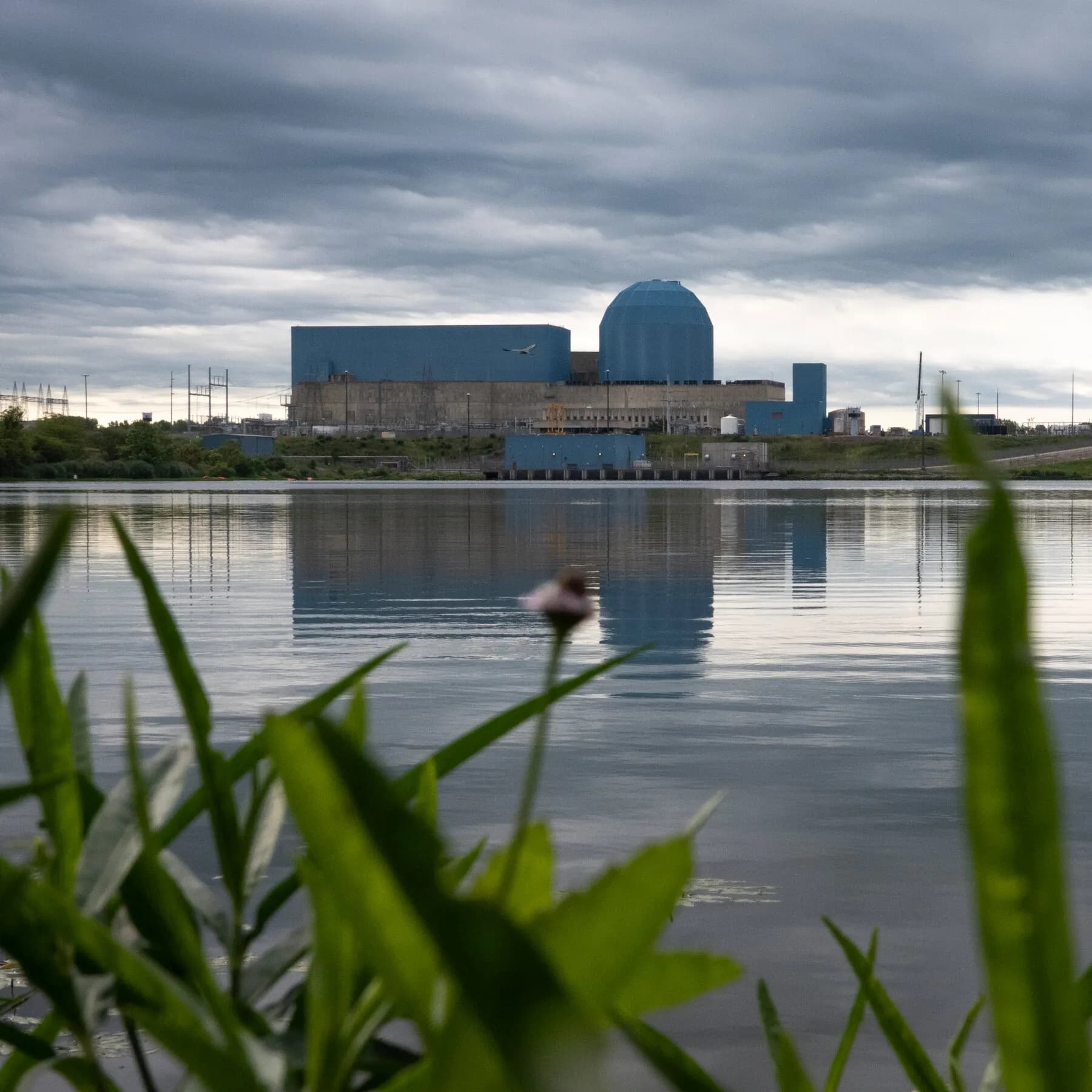
Why it matters
The push for nuclear power uprates reflects a critical response to surging electricity demand from data centers, impacting energy markets and technology sectors.
What happened (in 30 seconds)
- On October 6, 2026, Constellation Energy announced a $4.3 billion program to upgrade 11 nuclear reactors, adding 890 megawatts to the PJM grid.
- Google signed a 20-year power purchase agreement as the anchor customer for this initiative, ensuring a stable energy supply for its data centers.
- Similar upgrades are underway at other plants, including Vistra's reactors, supported by federal financing, to meet rising energy demands without building new facilities.
The context you actually need
- AI-driven data centers are rapidly increasing electricity demand, outpacing traditional grid expansion capabilities.
- Existing nuclear assets are being leveraged for their reliability and carbon-free energy, making them attractive to tech companies.
- Federal policies aim to quadruple U.S. nuclear capacity by 2050, incentivizing efficiency upgrades over new construction.
What's really happening
The recent announcement by Constellation Energy marks a significant shift in how the U.S. energy landscape is adapting to the demands of modern technology. With the rapid rise of AI and cloud computing, data centers are consuming more electricity than ever, creating a pressing need for reliable and sustainable energy sources. The decision to invest $4.3 billion in power uprates across 11 aging nuclear reactors is a strategic move to enhance capacity without the lengthy and costly process of building new reactors.
This initiative is not an isolated case; it reflects a broader trend in the energy sector where existing nuclear facilities are being upgraded to meet growing demand. The partnership with Google, which has committed to a 20-year power purchase agreement, underscores the tech giant's reliance on stable, carbon-free energy sources to power its operations. This collaboration is expected to add 890 megawatts of capacity, enough to power approximately 700,000 homes, thereby significantly contributing to the PJM grid.
Moreover, the U.S. Department of Energy's approval of up to $4.2 billion in financing for Vistra's reactor upgrades further illustrates the federal government's commitment to enhancing nuclear capacity. These upgrades are projected to add an additional 430 megawatts, showcasing a concerted effort to maximize the output of existing nuclear plants.
The implications of these upgrades extend beyond immediate energy supply. They represent a shift in energy policy that prioritizes efficiency and sustainability. By focusing on uprates rather than new constructions, the industry can respond more swiftly to demand while minimizing environmental impacts. This approach aligns with the Trump administration's goal of quadrupling nuclear capacity by 2050, which has created a favorable regulatory environment for such initiatives.
As energy firms continue to explore similar upgrades, the potential for total U.S. uprate capacity could reach between 6,000 to 8,000 megawatts, equivalent to the output of six to eight new large reactors. This not only addresses current demand but also positions the U.S. as a leader in sustainable energy solutions, particularly in the context of global climate commitments.
Who feels it first (and how)
- Tech companies: Increased energy reliability and potentially lower costs for data center operations.
- Energy consumers: More stable electricity prices as supply meets rising demand.
- Construction workers: Job creation through the 7,200 construction positions associated with the upgrades.
- Local economies: Economic stimulation in regions hosting upgraded nuclear facilities.
What to watch next
- Regulatory approvals: Monitor the progress of regulatory approvals for ongoing projects, as delays could impact timelines.
- Market response: Watch how energy prices fluctuate in response to increased nuclear capacity and its effect on the broader energy market.
- Tech partnerships: Keep an eye on new agreements between energy firms and tech companies, as these could signal further investments in nuclear upgrades.
Constellation Energy's $4.3 billion investment and Google's 20-year power purchase agreement.
Continued interest from tech companies in securing reliable energy sources through nuclear power.
The long-term impact on energy prices and market dynamics as these upgrades are implemented.
Frequently Asked Questions
- Why it matters?
- The push for nuclear power uprates reflects a critical response to surging electricity demand from data centers, impacting energy markets and technology sectors.
- What happened (in 30 seconds)?
- On October 6, 2026, Constellation Energy announced a $4.3 billion program to upgrade 11 nuclear reactors, adding 890 megawatts to the PJM grid. Google signed a 20-year power purchase agreement as the anchor customer for this initiative, ensuring a stable energy supply for its data centers. Similar upgrades are underway at other plants, including Vistra's reactors, supported by federal financing, to meet rising energy demands without building new facilities.
- What's really happening?
- The recent announcement by Constellation Energy marks a significant shift in how the U.S. energy landscape is adapting to the demands of modern technology. With the rapid rise of AI and cloud computing, data centers are consuming more electricity than ever, creating a pressing need for reliable and sustainable energy sources. The decision to invest $4.3 billion in power uprates across 11 aging nuclear reactors is a strategic move to enhance capacity without the lengthy and costly process of buil
- Who feels it first (and how)?
- Tech companies: Increased energy reliability and potentially lower costs for data center operations. Energy consumers: More stable electricity prices as supply meets rising demand. Construction workers: Job creation through the 7,200 construction positions associated with the upgrades. Local economies: Economic stimulation in regions hosting upgraded nuclear facilities.
- What to watch next?
- Regulatory approvals: Monitor the progress of regulatory approvals for ongoing projects, as delays could impact timelines. Market response: Watch how energy prices fluctuate in response to increased nuclear capacity and its effect on the broader energy market. Tech partnerships: Keep an eye on new agreements between energy firms and tech companies, as these could signal further investments in nuclear upgrades.
Consumer tech and culture with frequent AI coverage.
"Influential tech outlet covering AI products and policy."
— A47 Editor
Google’s power-hungry data centers crave nuclear energy
Google has entered a 20-year agreement with Constellation to upgrade six nuclear power plant sites across the United States, aiming to secure a reliable energy source for its data centers. This initiative is part of Google's strategy to meet the incr...
Tech news, reviews, and analysis of consumer electronics, science, art, and culture.
"The Verge is a technology-focused media outlet known for in-depth reporting, product reviews, and coverage of the intersection between technology and culture."
— A47 Editor
Google’s power-hungry data centers crave nuclear energy
Google has entered a 20-year agreement with Constellation to upgrade six nuclear power plant sites across the United States, aiming to secure a reliable energy source for its data centers. This initiative is part of Google's strategy to meet the incr...
Tech business coverage, major deals, product launches, and Silicon Valley trends.
"WSJ’s tech section offers authoritative reporting on the intersection of technology and business, including exclusive industry analysis."
— A47 Editor
Google and Constellation Energy Strike a Sweeping Nuclear-Power Deal
Google has entered into a landmark agreement with Constellation Energy to enhance nuclear power generation, marking the largest-ever uprate project aimed at increasing output from existing reactors. This 20-year deal will involve upgrading six nuclea...
U.S. business news, corporate developments, and economy.
"The Wall Street Journal is respected for deep financial and economic reporting with a center-right editorial perspective."
— A47 Editor
Google and Constellation Energy Strike a Sweeping Nuclear-Power Deal
Google and Constellation Energy have entered into a landmark nuclear-power deal, marking the largest-ever project aimed at increasing the output of existing reactors. This agreement is expected to enhance the efficiency of nuclear energy production, ...
Tech industry coverage with AI angles.
"Mainstream tech news intersecting with AI policy and culture."
— A47 Editor
Energy Firms Try to Squeeze More Power Out of Old Nuclear Plants
Constellation Energy, the largest nuclear power plant operator in the U.S., has announced plans to invest over $4.3 billion to refurbish 11 reactors across six plants located in Illinois, Pennsylvania, and New Jersey. This initiative aims to enhance ...
Scientific research, space, environment, and health coverage.
"The New York Times is a globally recognized newspaper offering authoritative reporting with a center-left editorial stance."
— A47 Editor
Energy Firms Try to Squeeze More Power Out of Old Nuclear Plants
Constellation Energy, the largest nuclear power plant operator in the U.S., has announced plans to invest over $4.3 billion to refurbish 11 reactors across six plants located in Illinois, Pennsylvania, and New Jersey. This initiative aims to enhance ...
Tech policy, trends, and innovation news.
"The New York Times is a globally recognized newspaper offering authoritative reporting with a center-left editorial stance."
— A47 Editor
Energy Firms Try to Squeeze More Power Out of Old Nuclear Plants
Constellation Energy, the largest nuclear power plant operator in the U.S., has announced plans to invest over $4.3 billion to refurbish 11 reactors across six plants located in Illinois, Pennsylvania, and New Jersey. This initiative aims to enhance ...
Global business headlines with AI angles.
"General business outlet that frequently covers AI."
— A47 Editor
Google's AI Buildout Needs More Power. It Just Locked in a Massive Additional Amount.
Google has secured a significant deal with Constellation, locking in 890 megawatts of new nuclear capacity through upgrades to 11 existing reactors. This move is part of Google's ongoing efforts to enhance its energy supply for AI operations.
Business, markets, economy, and corporate news with strong UAE and regional relevance.
"Emirates 24|7 business coverage tends to center UAE markets, property, regulation, and regional economic developments."
— A47 Editor
Google enters massive 3.6-GW power deal with Constellation Energy
Google has secured a significant power purchase agreement with Constellation Energy for 3,590 megawatts of electricity, with a notable portion derived from new nuclear energy sources. This deal, announced on Tuesday, marks a substantial investment in...