
U.S. Energy Companies Invest Billions in Nuclear Power Upgrades to Meet AI Demand
Why it matters
This shift reflects a strategic response to rising electricity demands, particularly from data centers, while minimizing the costs and timelines associated with new nuclear construction.
What happened (in 30 seconds)
- Constellation Energy announced a $4.3 billion investment to upgrade 11 reactors, adding 890 megawatts of capacity.
- Google signed a 20-year power purchase agreement to buy the additional output, supporting its data center operations.
- The U.S. Department of Energy is backing similar initiatives, including a $4.2 billion loan for upgrades at other plants.
The context you actually need
- Nuclear power construction is often delayed by lengthy timelines and high costs, prompting operators to focus on uprates instead.
- AI-driven electricity demand is pushing technology firms to seek reliable, low-carbon energy sources, making nuclear upgrades attractive.
- Previous collaborations between tech giants and energy firms have set a precedent for these types of agreements, indicating a growing trend in unregulated markets.
What's really happening
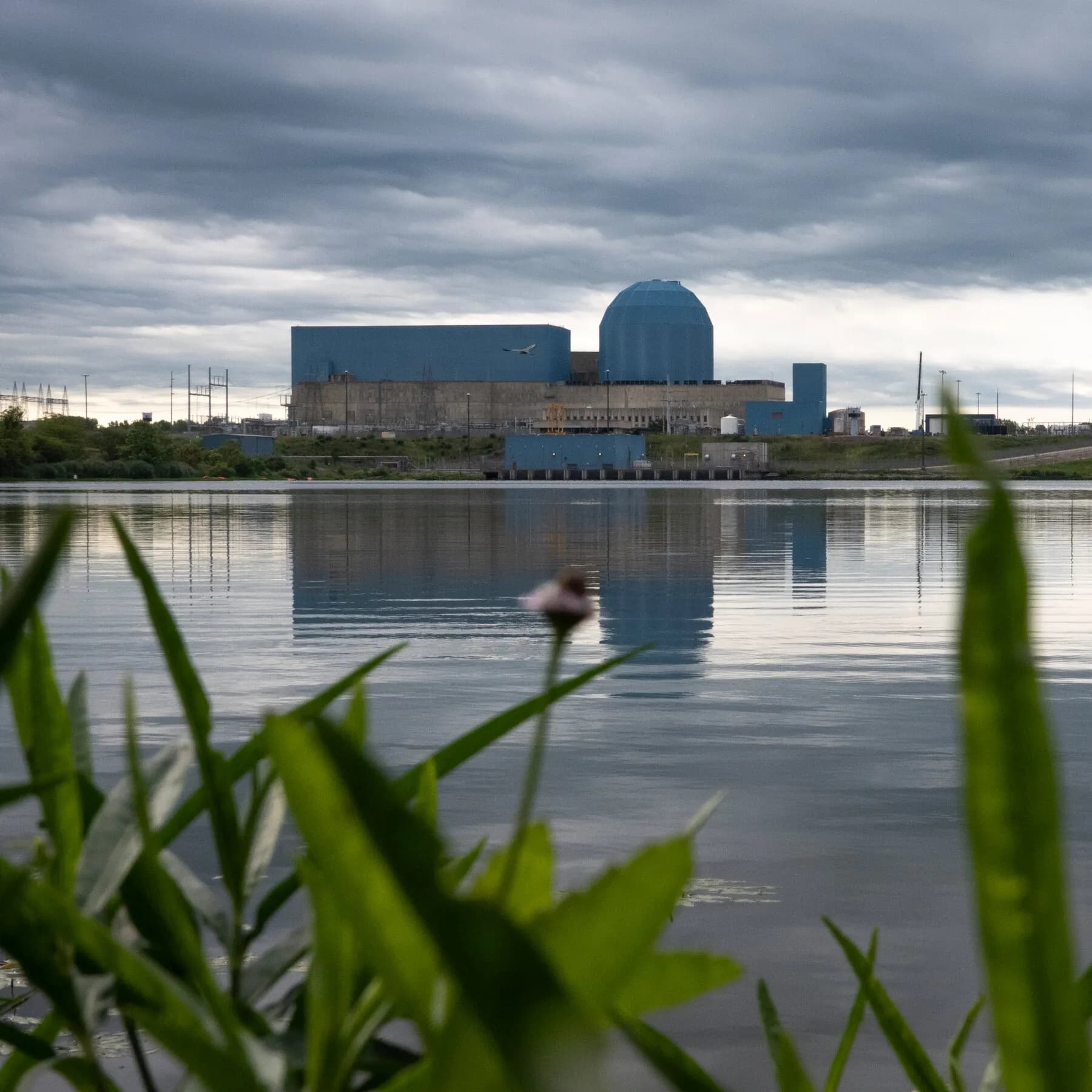
On October 6, 2026, Constellation Energy unveiled plans to refurbish 11 nuclear reactors across Illinois, Pennsylvania, and New Jersey, aiming to add 890 megawatts of capacity—enough to power approximately 700,000 homes. This initiative is part of a broader trend where U.S. energy companies are increasingly turning to existing nuclear infrastructure to meet the surging electricity demands driven by artificial intelligence and data centers.
The partnership with Google, which includes a 20-year power purchase agreement, highlights the growing collaboration between tech companies and energy providers. Google’s commitment to purchase the additional output underscores the urgency for reliable energy sources as its data centers expand. The same week, the U.S. Department of Energy announced a $4.2 billion loan to Vistra for similar upgrades at three plants in Pennsylvania and Ohio, projected to yield an additional 430 megawatts.
These uprates are not just isolated incidents; they represent a significant shift in how energy firms are approaching capacity expansion. Instead of investing in new nuclear plants—which can take years to build and require substantial capital—companies are focusing on enhancing the output of existing reactors. This strategy is expected to deliver between 6,000 to 8,000 megawatts of additional capacity nationwide, equivalent to the output of six to eight new large reactors, with many projects achievable within five years.
The Trump administration has endorsed these uprates as a crucial step toward quadrupling U.S. nuclear capacity by 2050. This endorsement is likely to foster further partnerships between hyperscalers like Google and energy operators, as they seek to secure stable, low-carbon energy sources. Regulatory approvals will be necessary, but the projects are designed to avoid imposing costs on other ratepayers while sustaining existing jobs and creating new construction employment opportunities.
Who feels it first (and how)
- Tech companies: Firms like Google and Amazon will benefit from more reliable energy sources for their data centers.
- Energy sector workers: Construction and maintenance jobs will increase as upgrades are implemented.
- Local communities: Areas near upgraded plants may see economic boosts from job creation and increased energy reliability.
What to watch next
- Regulatory approvals: Keep an eye on how quickly these projects receive necessary approvals, as this will impact timelines.
- Partnership expansions: Watch for new agreements between tech firms and energy companies, which could signal further investments in nuclear upgrades.
- Capacity growth metrics: Monitor the actual megawatts added from these uprates to assess their effectiveness in meeting rising demand.
Constellation Energy's investment and Google's power purchase agreement.
Further partnerships between tech companies and energy firms will emerge.
The full impact of these upgrades on electricity prices and market dynamics.
Frequently Asked Questions
- Why it matters?
- This shift reflects a strategic response to rising electricity demands, particularly from data centers, while minimizing the costs and timelines associated with new nuclear construction.
- What happened (in 30 seconds)?
- Constellation Energy announced a $4.3 billion investment to upgrade 11 reactors, adding 890 megawatts of capacity. Google signed a 20-year power purchase agreement to buy the additional output, supporting its data center operations. The U.S. Department of Energy is backing similar initiatives, including a $4.2 billion loan for upgrades at other plants.
- What's really happening?
- On October 6, 2026, Constellation Energy unveiled plans to refurbish 11 nuclear reactors across Illinois, Pennsylvania, and New Jersey, aiming to add 890 megawatts of capacity—enough to power approximately 700,000 homes. This initiative is part of a broader trend where U.S. energy companies are increasingly turning to existing nuclear infrastructure to meet the surging electricity demands driven by artificial intelligence and data centers. The partnership with Google, which includes a 20-year
- Who feels it first (and how)?
- Tech companies: Firms like Google and Amazon will benefit from more reliable energy sources for their data centers. Energy sector workers: Construction and maintenance jobs will increase as upgrades are implemented. Local communities: Areas near upgraded plants may see economic boosts from job creation and increased energy reliability.
- What to watch next?
- Regulatory approvals: Keep an eye on how quickly these projects receive necessary approvals, as this will impact timelines. Partnership expansions: Watch for new agreements between tech firms and energy companies, which could signal further investments in nuclear upgrades. Capacity growth metrics: Monitor the actual megawatts added from these uprates to assess their effectiveness in meeting rising demand.
Consumer tech news, reviews, and buying guides for gadgets and electronics.
"TechRadar is known for comprehensive buying advice, hardware reviews, and consumer tech news targeted at mainstream audiences."
— A47 Editor
Google signs billion-dollar deal to expand nuclear power capacity at multiple US plants
Google has signed a landmark 20-year agreement worth over a billion dollars with Constellation Energy to enhance nuclear power capacity at multiple plants across the United States. This deal aims to upgrade existing reactors, ultimately supplying ene...
Consumer tech and culture with frequent AI coverage.
"Influential tech outlet covering AI products and policy."
— A47 Editor
Google’s power-hungry data centers crave nuclear energy
Google has entered a 20-year agreement with Constellation to upgrade six nuclear power plant sites across the United States, aiming to secure a reliable energy source for its data centers. This initiative is part of Google's strategy to meet the incr...
Tech news, reviews, and analysis of consumer electronics, science, art, and culture.
"The Verge is a technology-focused media outlet known for in-depth reporting, product reviews, and coverage of the intersection between technology and culture."
— A47 Editor
Google’s power-hungry data centers crave nuclear energy
Google has entered a 20-year agreement with Constellation to upgrade six nuclear power plant sites across the United States, aiming to secure a reliable energy source for its data centers. This initiative is part of Google's strategy to meet the incr...
Tech business coverage, major deals, product launches, and Silicon Valley trends.
"WSJ’s tech section offers authoritative reporting on the intersection of technology and business, including exclusive industry analysis."
— A47 Editor
Google and Constellation Energy Strike a Sweeping Nuclear-Power Deal
Google has entered into a landmark agreement with Constellation Energy to enhance nuclear power generation, marking the largest-ever uprate project aimed at increasing output from existing reactors. This 20-year deal will involve upgrading six nuclea...
UAE-based English-language newspaper covering regional politics, economics, and global affairs.
"The National reflects Emirati policy perspectives while maintaining international editorial standards."
— A47 Editor
Google backs 'existing nuclear plants' as data centres strain US energy grid
Google has announced its support for existing nuclear plants as the demand from data centres increasingly strains the US energy grid. This move comes amid rising concerns over energy sustainability and the need for reliable power sources to support t...
Tech industry coverage with AI angles.
"Mainstream tech news intersecting with AI policy and culture."
— A47 Editor
Energy Firms Try to Squeeze More Power Out of Old Nuclear Plants
Constellation Energy, the largest nuclear power plant operator in the U.S., has announced plans to invest over $4.3 billion to refurbish 11 reactors across six plants located in Illinois, Pennsylvania, and New Jersey. This initiative aims to enhance ...
Scientific research, space, environment, and health coverage.
"The New York Times is a globally recognized newspaper offering authoritative reporting with a center-left editorial stance."
— A47 Editor
Energy Firms Try to Squeeze More Power Out of Old Nuclear Plants
Constellation Energy, the largest nuclear power plant operator in the U.S., has announced plans to invest over $4.3 billion to refurbish 11 reactors across six plants located in Illinois, Pennsylvania, and New Jersey. This initiative aims to enhance ...
Tech policy, trends, and innovation news.
"The New York Times is a globally recognized newspaper offering authoritative reporting with a center-left editorial stance."
— A47 Editor
Energy Firms Try to Squeeze More Power Out of Old Nuclear Plants
Constellation Energy, the largest nuclear power plant operator in the U.S., has announced plans to invest over $4.3 billion to refurbish 11 reactors across six plants located in Illinois, Pennsylvania, and New Jersey. This initiative aims to enhance ...
Global business headlines with AI angles.
"General business outlet that frequently covers AI."
— A47 Editor
Google's AI Buildout Needs More Power. It Just Locked in a Massive Additional Amount.
Google has secured a significant deal with Constellation, locking in 890 megawatts of new nuclear capacity through upgrades to 11 existing reactors. This move is part of Google's ongoing efforts to enhance its energy supply for AI operations.
Business, markets, economy, and corporate news with strong UAE and regional relevance.
"Emirates 24|7 business coverage tends to center UAE markets, property, regulation, and regional economic developments."
— A47 Editor
Google enters massive 3.6-GW power deal with Constellation Energy
Google has secured a significant power purchase agreement with Constellation Energy for 3,590 megawatts of electricity, with a notable portion derived from new nuclear energy sources. This deal, announced on Tuesday, marks a substantial investment in...