
U.S. Energy Executives Resign from Polar LNG Over Russian Funding Allegations
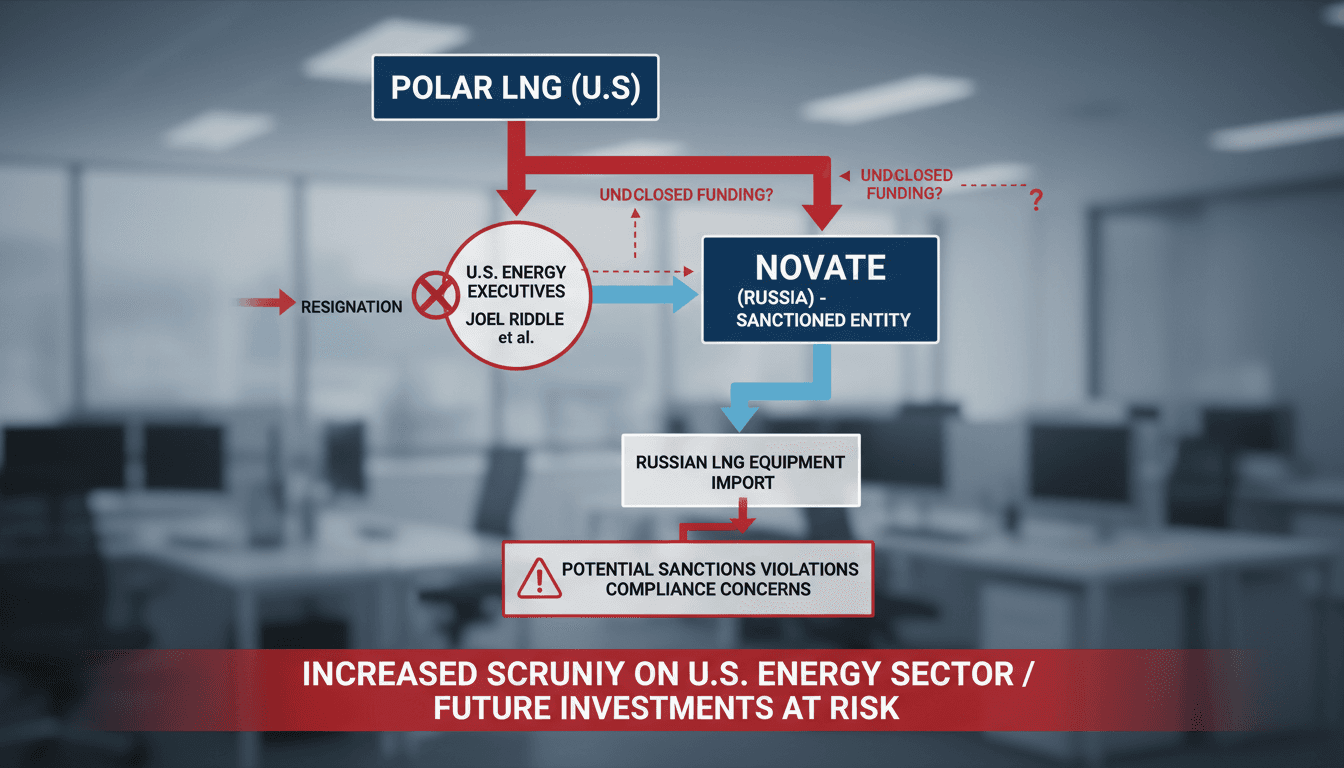
Why it matters
This incident highlights the complexities of navigating U.S. sanctions in global energy markets, impacting investor confidence and regulatory scrutiny.
What happened (in 30 seconds)
- U.S. energy executives resigned from Polar LNG over undisclosed funding from Russian company Novatek, raising concerns about sanctions violations.
- Former CEO Joel Riddle alerted the Trump administration about potential risks tied to importing Russian LNG equipment for Alaska.
- Polar LNG's leadership is now under investigation, with new management appointed to address the fallout.
The context you actually need
- U.S. sanctions on Russian energy firms were enacted following the 2022 invasion of Ukraine, complicating international energy deals.
- Polar LNG, launched in March 2026, aimed to utilize Russian LNG equipment for Alaska gas exports, aligning with U.S. energy dominance goals.
- Funding was initially misrepresented as coming from a UAE entity, raising questions about the transparency of international financing in energy projects.
What's really happening
The resignation of high-ranking executives from Polar LNG underscores a significant tension in the U.S. energy sector regarding compliance with sanctions against Russia. The company, which launched in March 2026, sought to capitalize on lower costs associated with importing Russian liquefaction equipment for its Alaska LNG export facility. However, the funding sources were later revealed to be more complex than initially presented, with direct ties to Novatek, a sanctioned Russian energy company.
Joel Riddle, the former CEO, and other executives, including CFO Dan Chandra, expressed concerns about the implications of these funding sources, which they believed could violate U.S. sanctions. Their decision to resign was not just a personal choice but a response to a broader ethical dilemma about the integrity of the project and its alignment with U.S. foreign policy. The executives notified the U.S. Energy Department of their concerns, indicating a proactive approach to compliance and governance.
The fallout from these resignations has led to the appointment of Tim Talkington as the acting CEO, who now faces the challenge of restoring confidence in the company while navigating the ongoing investigation into the allegations. Polar LNG has publicly disputed the claims, framing Riddle's departure as a result of internal conflicts rather than a principled stand against unethical practices. This narrative shift raises questions about corporate governance and accountability in the energy sector, particularly in ventures involving international financing.
The situation is further complicated by the geopolitical landscape, where U.S.-Russia relations are strained, and energy deals are often viewed through the lens of national security. The potential for Novatek to acquire a minority stake in Polar LNG adds another layer of complexity, as it could influence the company's operations and strategic direction. Investors and stakeholders must now grapple with the implications of these developments, particularly as they relate to compliance with sanctions and the ethical considerations of international partnerships.
Who feels it first (and how)
- Energy executives: Increased scrutiny on compliance and ethical governance in international projects.
- Investors: Heightened risk assessment regarding funding sources and potential sanctions violations.
- U.S. policymakers: Pressure to clarify and enforce sanctions, impacting future energy deals.
- Alaska's economy: Potential disruptions in local energy projects and job creation linked to Polar LNG's operations.
What to watch next
- Regulatory responses: Monitor any actions taken by the U.S. Energy Department regarding sanctions compliance and corporate governance.
- Investor sentiment: Watch for shifts in investment patterns in U.S. energy projects, particularly those involving international financing.
- Geopolitical developments: Keep an eye on U.S.-Russia relations and how they may influence energy partnerships and sanctions enforcement.
Polar LNG is under investigation for potential sanctions violations.
Increased regulatory scrutiny on energy projects involving foreign funding.
The long-term impact on Polar LNG's operations and investor confidence in similar ventures.
Frequently Asked Questions
- Why it matters?
- This incident highlights the complexities of navigating U.S. sanctions in global energy markets, impacting investor confidence and regulatory scrutiny.
- What happened (in 30 seconds)?
- U.S. energy executives resigned from Polar LNG over undisclosed funding from Russian company Novatek, raising concerns about sanctions violations. Former CEO Joel Riddle alerted the Trump administration about potential risks tied to importing Russian LNG equipment for Alaska. Polar LNG's leadership is now under investigation, with new management appointed to address the fallout.
- What's really happening?
- The resignation of high-ranking executives from Polar LNG underscores a significant tension in the U.S. energy sector regarding compliance with sanctions against Russia. The company, which launched in March 2026, sought to capitalize on lower costs associated with importing Russian liquefaction equipment for its Alaska LNG export facility. However, the funding sources were later revealed to be more complex than initially presented, with direct ties to Novatek, a sanctioned Russian energy company
- Who feels it first (and how)?
- Energy executives: Increased scrutiny on compliance and ethical governance in international projects. Investors: Heightened risk assessment regarding funding sources and potential sanctions violations. U.S. policymakers: Pressure to clarify and enforce sanctions, impacting future energy deals. Alaska's economy: Potential disruptions in local energy projects and job creation linked to Polar LNG's operations.
- What to watch next?
- Regulatory responses: Monitor any actions taken by the U.S. Energy Department regarding sanctions compliance and corporate governance. Investor sentiment: Watch for shifts in investment patterns in U.S. energy projects, particularly those involving international financing. Geopolitical developments: Keep an eye on U.S.-Russia relations and how they may influence energy partnerships and sanctions enforcement.
U.S. business news, corporate developments, and economy.
"The Wall Street Journal is respected for deep financial and economic reporting with a center-right editorial perspective."
— A47 Editor
U.S. Energy Execs Say They Quit Startup Over Undisclosed Russian Funding
High-ranking officials at Polar LNG have resigned due to concerns over undisclosed Russian funding, which they communicated to the Trump administration. This decision highlights significant ethical and operational challenges within the energy sector,...
U.S. company headlines: M&A, product launches, legal/regulatory actions, and leadership moves.
"U.S.-centric corporate tape; good for tracking single-name catalysts."
— A47 Editor
Alaska LNG developer faces scrutiny over funding from sanctioned Russian firm - FT
The Alaska LNG project is under scrutiny due to its funding ties with a Russian firm that is currently sanctioned, raising concerns about the implications for international relations and compliance with sanctions.
Editor-curated FT homepage stories spanning markets, business, world, and opinion.
"The Financial Times is a globally respected business publication with a centrist/center-left tone and strong markets focus."
— A47 Editor
US executives quit $25bn gas venture over claims of secret Russian control
Executives from Polar Train LNG have resigned from a $25 billion liquefied natural gas (LNG) project in Alaska, citing undisclosed Russian control by the gas giant Novatek, which allegedly financed and managed the project without U.S. approval. This ...