
Delta Air Lines CEO warns of sustained high oil prices impacting airfare
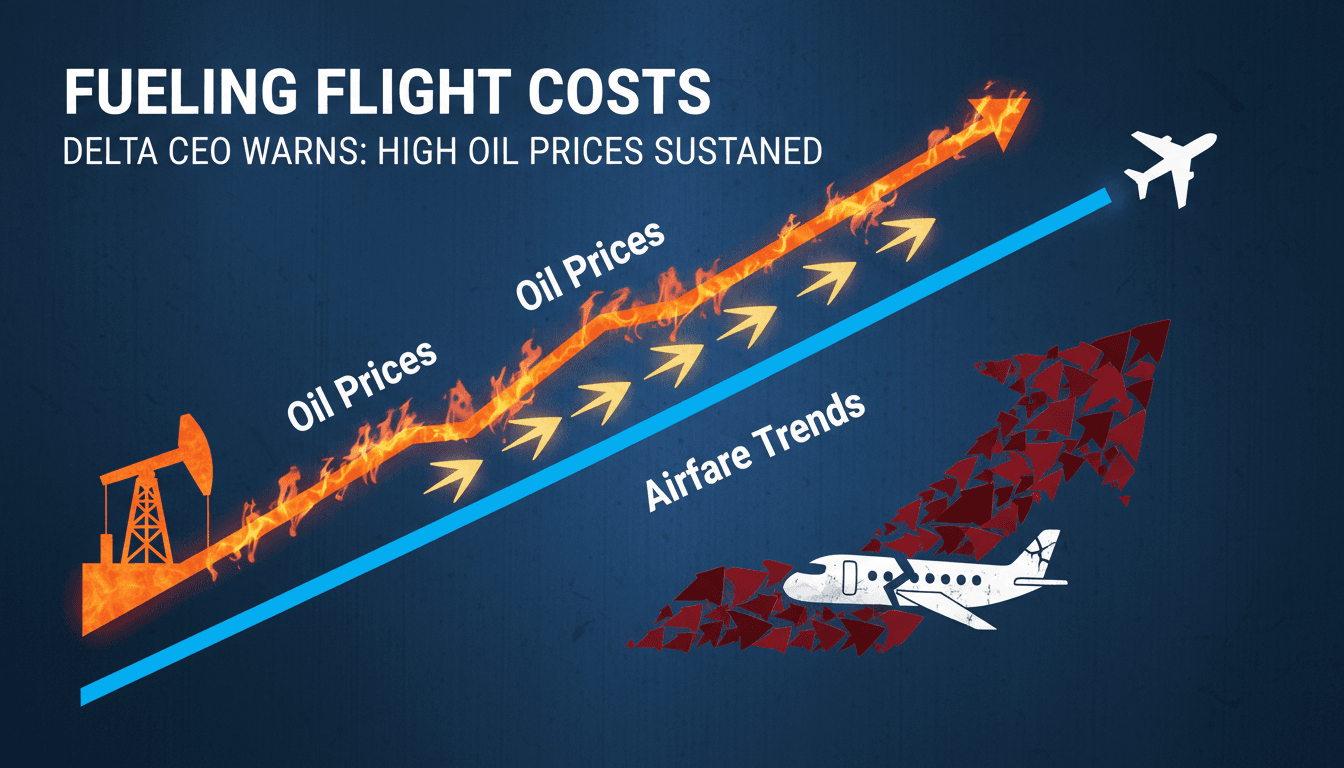
Here's what it means for you.
Delta Air Lines' CEO Ed Bastian has signaled that high oil prices will likely persist, which could lead to continued increases in airfare. This situation poses challenges for budget airlines that may struggle to maintain competitive pricing amidst rising operational costs. As consumers face elevated travel expenses, the dynamics of the airline industry may shift significantly. The implications of these developments extend beyond just ticket prices; they may also influence consumer travel behavior and preferences in the coming months. Stakeholders in the airline sector will need to adapt to this evolving landscape to remain viable.
What happened
Delta Air Lines has reported robust quarterly earnings while addressing the implications of sustained high oil prices on airfare. CEO Ed Bastian emphasized that oil prices are expected to remain elevated, which will directly impact ticket costs. Despite these challenges, Delta has experienced strong demand for travel, particularly in premium and international markets.
Bastian also issued a warning to low-cost carriers regarding the difficulties they may face due to rising operational costs. The airline industry is navigating a complex environment where pricing strategies will need to be reassessed in light of these economic pressures.
The Context
Airfare prices have surged by approximately 20% in 2026, reflecting a significant shift in the airline pricing landscape. Currently, four airlines dominate 73% of U.S. air traffic, contributing to sustained high prices. Although jet fuel costs are projected to decrease by 20% in the next quarter, airfare is expected to remain elevated, indicating a disconnect between fuel prices and ticket costs.
This situation is critical as it highlights the challenges faced by the airline industry, particularly for budget carriers that may find it difficult to adapt. The ongoing high operational costs could reshape the competitive landscape, affecting both airlines and consumers.
Takeaway
As the airline industry grapples with high oil prices and changing consumer demand, stakeholders should closely monitor pricing strategies and market competition, especially among budget carriers. The potential for shifts in consumer travel behavior is significant, as elevated prices may deter some travelers or alter their preferences.
In the coming months, it will be essential to observe how airlines adjust their operations and pricing in response to these economic pressures. The long-term implications of these trends could redefine the competitive dynamics within the industry.
Global markets, investing, and macroeconomics from a premier financial newsroom.
"Bloomberg is respected for in-depth financial reporting and data-driven analysis."
— A47 Editor
Delta CEO Says Oil Prices Will Stay 'Sticky for Longer'
Delta Air Lines CEO Ed Bastian stated that oil prices are expected to remain 'sticky for longer,' yet the airline will continue to perform well due to strong demand for premium and international travel. This insight was shared during an interview wit...
Stock market news, investing ideas, and trading analysis.
"TheStreet provides market news and retail-investor-focused analysis."
— A47 Editor
Delta Air Lines CEO issues stark warning for low-cost rivals
Delta Air Lines CEO Ed Bastian recently issued a warning to low-cost airlines during the company's earnings call, highlighting the challenges faced by budget carriers amid rising fuel costs and changing consumer demand. Despite reporting one of its s...
Global business headlines with AI angles.
"General business outlet that frequently covers AI."
— A47 Editor
Airfares Up 20%: Delta CEO Says This Summer's Flight Prices Won't Fall
Delta Air Lines CEO Ed Bastian announced that domestic airfare prices have surged by approximately 20% and are expected to remain elevated this summer, attributing this trend to strong demand and a market dominated by four carriers controlling 73% of...