
US-Iran Ceasefire Allows Conditional Passage Through Strait of Hormuz
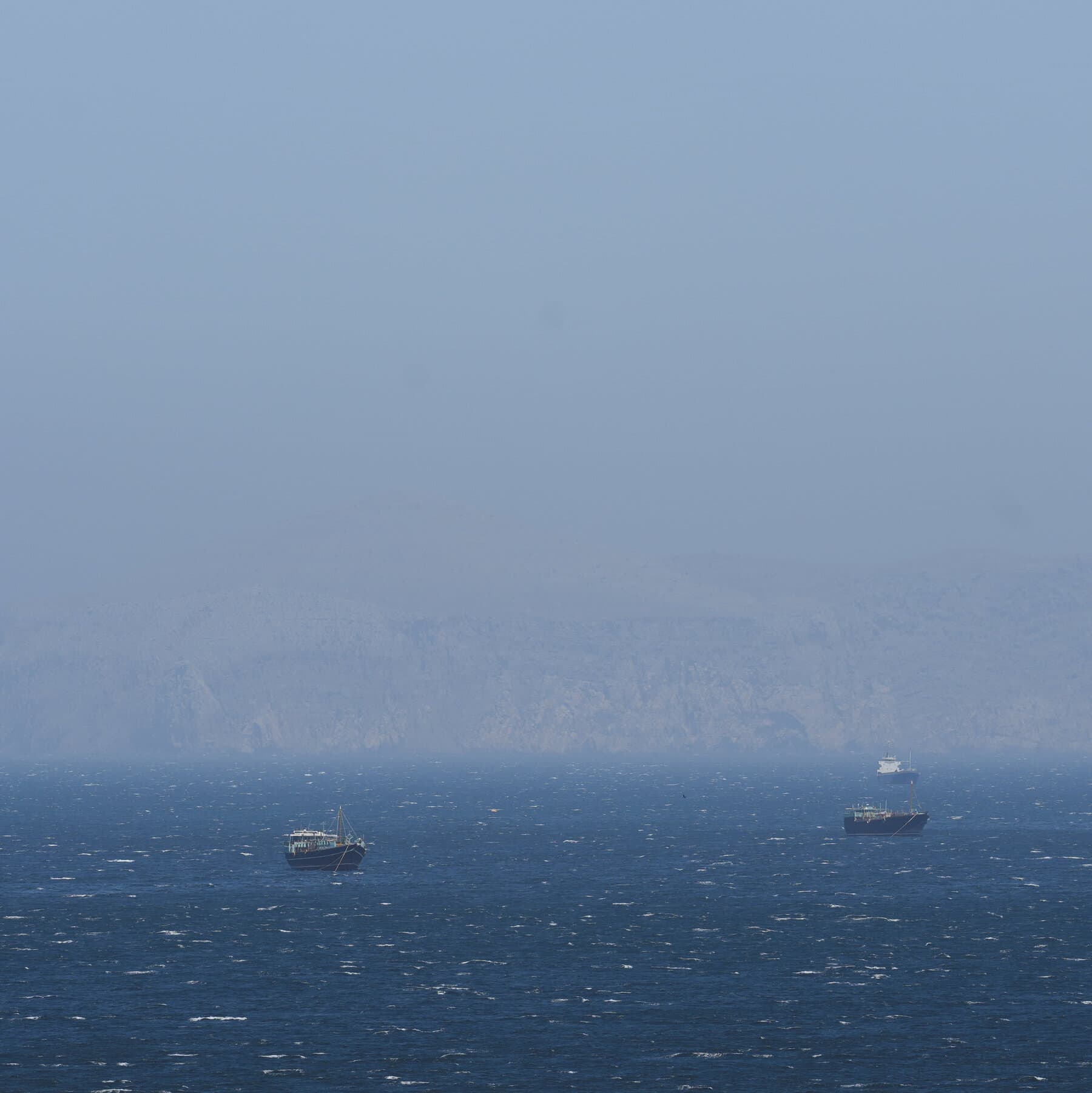
Here's what it means for you.
If you rely on global oil markets or shipping logistics, the current instability in the Strait of Hormuz could impact prices and availability.
Why it matters
The Strait of Hormuz is a critical maritime route for 20% of the world's oil supply, making its security essential for global energy markets.
What happened (in 30 seconds)
- On April 8, 2026, the US and Iran announced a conditional two-week ceasefire aimed at ensuring safe passage through the Strait of Hormuz.
- Since early March, the strait has been largely closed due to escalating tensions, resulting in over 800 vessels being trapped and significant disruptions to oil shipments.
- As of April 9, Iranian forces are demanding permissions for transits, with only a few bulk carriers managing to pass through, while reports indicate potential re-closure due to alleged violations.
The context you actually need
- The crisis escalated following failed nuclear negotiations and military actions, including US-Israeli airstrikes targeting Iranian assets in February 2026.
- Traffic through the strait dropped by over 90%, leading to oil prices surging above $120 per barrel and Gulf producers declaring force majeure.
- The ceasefire is precarious, with ongoing tensions and accusations of violations, leaving shippers uncertain about future access and safety.
What's really happening
The fragile ceasefire between the US and Iran is a response to a rapidly deteriorating situation in the Strait of Hormuz, a vital passage for global energy supplies. The strait has become a focal point of geopolitical conflict, particularly after the US and Israel launched Operation Epic Fury, targeting Iranian nuclear sites in late February 2026. This military action prompted Iranian missile responses and the subsequent closure of the strait by the Iranian Revolutionary Guard Corps (IRGC) on March 4, effectively trapping over 800 vessels and causing a dramatic drop in maritime traffic.
The conditional ceasefire announced on April 8 allows for limited passage through the strait, but it is fraught with complications. Iranian forces are now requiring permissions for transits, which raises concerns about the reliability and safety of shipping routes. The situation is further complicated by reports of Israeli military actions in the region, which could lead to renewed hostilities and a potential re-closure of the strait.
For international shipping firms, this uncertainty translates into increased operational risks. Companies like Maersk and Hapag-Lloyd are cautious about resuming normal operations, as the threat of mines and the need for permissions from Iranian authorities complicate logistics. The recent ceasefire has led to a temporary drop in oil prices—Brent crude fell 13% to $94.80 per barrel—offering some relief to consumers and businesses reliant on oil imports. However, the underlying tensions remain, and the potential for further escalations looms large.
The economic implications are significant, especially for Gulf producers who have already declared force majeure and faced production cuts exceeding 10 million barrels per day. The ceasefire may provide short-term relief, but the ongoing instability could exacerbate existing issues, such as fertilizer shortages and elevated insurance premiums for shipping. As the situation develops, the balance between maintaining safe passage and managing geopolitical tensions will be crucial for global energy markets.
Who feels it first (and how)
- Shipping companies: Facing increased operational costs and risks due to the need for permissions and potential mine threats.
- Oil producers in the Gulf: Experiencing production cuts and force majeure declarations, impacting their revenue.
- Consumers and businesses: Likely to see fluctuating oil prices affecting transportation and goods costs.
- Asian refiners: Prioritizing cargoes from Iranian allies, potentially reshaping supply chains.
What to watch next
- Iran's compliance with the ceasefire: Monitoring whether Iran will uphold the terms of the ceasefire and allow safe passage without further incidents.
- US and Israeli military actions: Any escalation in military operations could lead to renewed closures of the strait, impacting global oil supply.
- Global oil price trends: Observing how prices react to developments in the Strait of Hormuz, particularly in response to any disruptions.
The Strait of Hormuz is a critical route for global oil and LNG shipments.
Continued geopolitical tensions will affect shipping logistics and oil prices in the near term.
The long-term stability of the ceasefire and its impact on global energy markets remains uncertain.
Frequently Asked Questions
- Why it matters?
- The Strait of Hormuz is a critical maritime route for 20% of the world's oil supply, making its security essential for global energy markets.
- What happened (in 30 seconds)?
- On April 8, 2026, the US and Iran announced a conditional two-week ceasefire aimed at ensuring safe passage through the Strait of Hormuz. Since early March, the strait has been largely closed due to escalating tensions, resulting in over 800 vessels being trapped and significant disruptions to oil shipments. As of April 9, Iranian forces are demanding permissions for transits, with only a few bulk carriers managing to pass through, while reports indicate potential re-closure due to alleged v
- What's really happening?
- The fragile ceasefire between the US and Iran is a response to a rapidly deteriorating situation in the Strait of Hormuz, a vital passage for global energy supplies. The strait has become a focal point of geopolitical conflict, particularly after the US and Israel launched Operation Epic Fury, targeting Iranian nuclear sites in late February 2026. This military action prompted Iranian missile responses and the subsequent closure of the strait by the Iranian Revolutionary Guard Corps (IRGC) on Ma
- Who feels it first (and how)?
- Shipping companies: Facing increased operational costs and risks due to the need for permissions and potential mine threats. Oil producers in the Gulf: Experiencing production cuts and force majeure declarations, impacting their revenue. Consumers and businesses: Likely to see fluctuating oil prices affecting transportation and goods costs. Asian refiners: Prioritizing cargoes from Iranian allies, potentially reshaping supply chains.
- What to watch next?
- Iran's compliance with the ceasefire: Monitoring whether Iran will uphold the terms of the ceasefire and allow safe passage without further incidents. US and Israeli military actions: Any escalation in military operations could lead to renewed closures of the strait, impacting global oil supply. Global oil price trends: Observing how prices react to developments in the Strait of Hormuz, particularly in response to any disruptions.
European coverage of Middle East politics and security issues.
"France 24 offers international reporting with a European editorial perspective."
— A47 Editor
US-Iran ceasefire: Why Tehran wants to charge ships for crossing the Strait of Hormuz
The United States and Iran have reached a two-week ceasefire agreement, which includes Iran's proposal to charge ships up to $2 million for crossing the strategically vital Strait of Hormuz. This move is part of Tehran's broader strategy to maintain ...
24/7 international news from a French perspective in multiple languages.
"France 24 is viewed as a globally focused outlet with balanced coverage and a European perspective."
— A47 Editor
US-Iran ceasefire: Why Tehran wants to charge ships for crossing the Strait of Hormuz
The United States and Iran have reached a two-week ceasefire agreement, which includes Iran's proposal to charge ships up to $2 million for crossing the strategically vital Strait of Hormuz. This move is part of Tehran's broader strategy to maintain ...
Global markets, investing, and macroeconomics from a premier financial newsroom.
"Bloomberg is respected for in-depth financial reporting and data-driven analysis."
— A47 Editor
When Will Shipping Resume in the Strait of Hormuz?
A fragile ceasefire agreement has been reached between the United States and Iran, allowing for cautious navigation through the strategically vital Strait of Hormuz. This development follows a period of heightened military tensions, including Israeli...
Editor-curated FT homepage stories spanning markets, business, world, and opinion.
"The Financial Times is a globally respected business publication with a centrist/center-left tone and strong markets focus."
— A47 Editor
Shipping stalls as Tehran dictates terms in Hormuz
Shipping through the Strait of Hormuz has significantly stalled, with fewer tankers passing through despite a recent ceasefire agreement between the US and Iran. This situation reflects Tehran's increasing control over the vital maritime route, which...
Markets, economy, and company analysis from NYT’s business desk.
"The New York Times is a globally recognized newspaper offering authoritative reporting with a center-left editorial stance."
— A47 Editor
Is the Strait of Hormuz Reopening? What to Know Under Iran-Cease Fire.
A fragile ceasefire agreement between the United States and Iran has led to cautious navigation through the Strait of Hormuz, with vessels now required to coordinate passage with Iranian armed forces. Despite this development, ship traffic remains si...