
Trump Accuses Iran of Violating Ceasefire on Strait of Hormuz Oil Transit
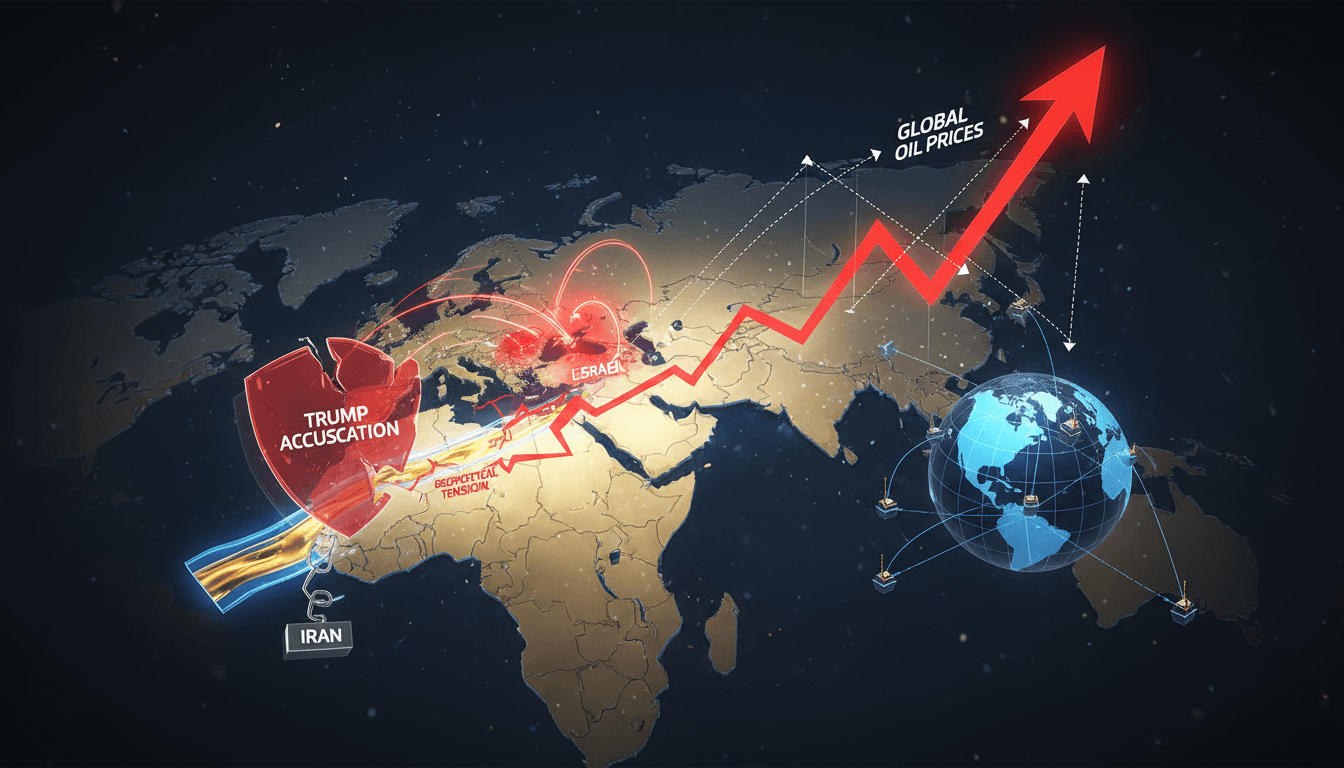
Here's what it means for you.
If you rely on global oil markets, rising tensions in the Strait of Hormuz could lead to higher fuel prices and inflation.
Why it matters
The Strait of Hormuz is crucial for global oil supply, with 20% of the world's oil and liquefied natural gas shipments passing through.
What happened (in 30 seconds)
- On April 10, 2026, President Trump accused Iran of violating a ceasefire agreement regarding oil transit through the Strait of Hormuz.
- Iran responded by imposing fees on tankers and restricting shipping access, citing Israeli military actions in Lebanon as a violation of the ceasefire.
- Tensions remain high, with the US planning to host negotiations between Israel and Lebanon amid ongoing hostilities.
The context you actually need
- The ceasefire agreement, reached on April 7, aimed to reopen the Strait of Hormuz for oil tankers after Iran had previously closed it due to escalating conflicts.
- Israel's military actions against Hezbollah in Lebanon have complicated the ceasefire, with over 300 casualties reported, leading to Iran's claims of ceasefire violations.
- Shipping disruptions in the Strait of Hormuz could have significant implications for global oil prices, affecting economies worldwide, particularly in oil-dependent regions.
What's really happening
The situation in the Strait of Hormuz is emblematic of the broader US-Iran conflict, which has escalated significantly in 2026. Following a series of Israeli airstrikes on Hezbollah targets in Lebanon, which resulted in substantial casualties, Iran's response has been to halt full shipping access through the Strait, a vital conduit for global oil. The ceasefire agreement brokered on April 7 was intended to stabilize the situation, allowing for safe passage of oil tankers. However, the ongoing military actions by Israel have led to a breakdown in trust and communication between the parties involved.
President Trump’s accusations against Iran highlight the fragility of the ceasefire. By declaring that Iran is mishandling oil transit, Trump not only signals US discontent but also puts pressure on Iran to comply with the terms of the agreement. The imposition of fees on tankers by Iran has raised alarms, as it suggests a unilateral alteration of the ceasefire terms, which could lead to further escalations.
The strategic importance of the Strait of Hormuz cannot be overstated; it is a chokepoint for 20% of the world’s oil and liquefied natural gas shipments. Any disruptions here can ripple through global markets, leading to increased fuel prices and inflationary pressures. The UAE, which relies heavily on stable oil prices, has expressed disappointment over the situation and urged Iran to adhere to the ceasefire terms.
As tensions escalate, the likelihood of further military engagement increases, which could lead to a complete shutdown of the Strait, exacerbating global energy crises. The situation is compounded by the geopolitical stakes involved, with the US and its allies keen to maintain open shipping lanes while Iran seeks to assert its influence in the region.
In summary, the accusations made by Trump are not just political posturing; they reflect deeper tensions that could have significant implications for global oil markets and economic stability.
Who feels it first (and how)
- Oil and gas companies: Potential for increased operational costs and fluctuating prices.
- Consumers: Higher fuel prices could lead to increased costs for transportation and goods.
- UAE residents: Risks of inflation affecting grocery and medicine prices due to shipping disruptions.
- Global markets: Investors may react to instability, leading to volatility in stock prices, particularly in energy sectors.
What to watch next
- US-Iran negotiations: The outcome of upcoming talks could either stabilize or exacerbate tensions in the region.
- Oil price fluctuations: Monitor how oil prices respond to developments in the Strait of Hormuz, as they can indicate market confidence.
- Military actions in Lebanon: Continued Israeli strikes could provoke further Iranian responses, impacting shipping access.
The Strait of Hormuz is critical for global oil transit, with 20% of shipments passing through.
Continued tensions will lead to fluctuating oil prices and potential economic repercussions for oil-dependent regions.
The long-term effects of the ceasefire's breakdown on US-Iran relations and regional stability.
Frequently Asked Questions
- Why it matters?
- The Strait of Hormuz is crucial for global oil supply, with 20% of the world's oil and liquefied natural gas shipments passing through.
- What happened (in 30 seconds)?
- On April 10, 2026, President Trump accused Iran of violating a ceasefire agreement regarding oil transit through the Strait of Hormuz. Iran responded by imposing fees on tankers and restricting shipping access, citing Israeli military actions in Lebanon as a violation of the ceasefire. Tensions remain high, with the US planning to host negotiations between Israel and Lebanon amid ongoing hostilities.
- What's really happening?
- The situation in the Strait of Hormuz is emblematic of the broader US-Iran conflict, which has escalated significantly in 2026. Following a series of Israeli airstrikes on Hezbollah targets in Lebanon, which resulted in substantial casualties, Iran's response has been to halt full shipping access through the Strait, a vital conduit for global oil. The ceasefire agreement brokered on April 7 was intended to stabilize the situation, allowing for safe passage of oil tankers. However, the ongoing mi
- Who feels it first (and how)?
- Oil and gas companies: Potential for increased operational costs and fluctuating prices. Consumers: Higher fuel prices could lead to increased costs for transportation and goods. UAE residents: Risks of inflation affecting grocery and medicine prices due to shipping disruptions. Global markets: Investors may react to instability, leading to volatility in stock prices, particularly in energy sectors.
- What to watch next?
- US-Iran negotiations: The outcome of upcoming talks could either stabilize or exacerbate tensions in the region. Oil price fluctuations: Monitor how oil prices respond to developments in the Strait of Hormuz, as they can indicate market confidence. Military actions in Lebanon: Continued Israeli strikes could provoke further Iranian responses, impacting shipping access.
Editor-curated FT homepage stories spanning markets, business, world, and opinion.
"The Financial Times is a globally respected business publication with a centrist/center-left tone and strong markets focus."
— A47 Editor
Lebanon and Israel agree to talks in Washington next week
Lebanon and Israel have agreed to engage in direct negotiations in Washington next week, marking the first such talks in over 40 years. This development signals a potential thaw in relations between the two nations, which have been historically adver...
International coverage of politics, culture, and current affairs.
"BBC News is widely regarded as a reputable international news organization, known for its impartial tone and public service mandate."
— A47 Editor
Trump says Iran's handling of Strait of Hormuz is 'not the agreement we have'
U.S. President Donald Trump criticized Iran's management of the Strait of Hormuz, stating it does not align with the agreements made, amidst rising tensions in the region. This statement comes as Israel and Lebanon prepare to engage in peace talks in...