
U.S. Vice President JD Vance to Lead Negotiations with Iran Following Ceasefire Dispute
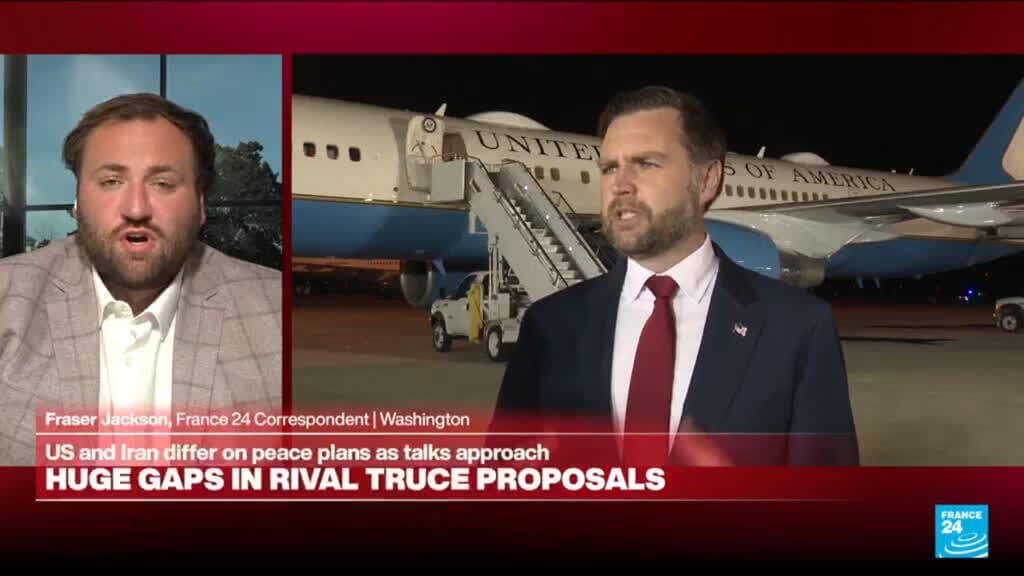
Here's what it means for you.
If you rely on global oil markets, the outcome of these negotiations could directly impact fuel prices and supply chains.
Why it matters
The U.S.-Iran negotiations are pivotal in determining the stability of oil supply routes and regional security, affecting global markets.
What happened (in 30 seconds)
- On April 9, 2026, the White House announced that Vice President JD Vance will lead U.S. negotiations with Iran in Islamabad.
- Tehran claims that a ceasefire has been violated due to ongoing Israeli strikes in Lebanon, threatening to resume hostilities.
- The fragile truce, brokered by Pakistan, hinges on Iran reopening the Strait of Hormuz in exchange for a halt to U.S. military actions.
The context you actually need
- The 2026 Iran war began in late February with U.S.-Israeli airstrikes on Iranian nuclear facilities, escalating regional tensions.
- Iran's closure of the Strait of Hormuz has disrupted 20% of global oil transit, causing prices to surge past $100 per barrel.
- The ceasefire agreement is conditional and reflects the delicate balance of power in the region, with implications for global energy markets.
What's really happening
The negotiations in Islamabad represent a critical juncture in U.S.-Iran relations, shaped by a complex web of geopolitical interests and regional dynamics. The ceasefire, brokered by Pakistan, was intended to halt direct hostilities between the U.S. and Iran while addressing broader regional security concerns. Iran's accusations of ceasefire violations stem from Israeli airstrikes in Lebanon, which Tehran interprets as a direct threat to its national security and a breach of the truce terms.
The U.S. delegation, led by Vice President JD Vance, is tasked with clarifying the terms of the ceasefire and addressing Iran's concerns. Vance has characterized Iran's claims as a "legitimate misunderstanding," emphasizing that the ceasefire does not encompass Israeli operations in Lebanon. This distinction is crucial, as it reflects the U.S. stance on Israel's right to defend itself while attempting to maintain a diplomatic dialogue with Iran.
The stakes are high. The Strait of Hormuz is a vital artery for global oil transport, and any disruption could lead to significant price fluctuations and supply chain issues. As Iran has already halted shipping traffic in response to the Israeli strikes, the potential for escalation remains. The Iranian leadership faces internal pressures to respond decisively to perceived threats, while the U.S. must navigate the complexities of its alliances in the region, particularly with Israel.
Moreover, the economic implications of these negotiations extend beyond immediate military concerns. With oil prices already hovering around $96 per barrel, any further instability could exacerbate inflationary pressures globally. Countries reliant on oil imports, like those in Europe and Asia, may experience increased costs, impacting consumer prices and economic growth.
The outcome of these talks will likely influence not only the immediate geopolitical landscape but also the long-term trajectory of U.S.-Iran relations. A successful negotiation could pave the way for a more stable regional environment, while failure could lead to renewed hostilities and further entrenchment of existing conflicts.
Who feels it first (and how)
- Oil traders: Immediate fluctuations in oil prices based on negotiation outcomes.
- Consumers: Rising fuel prices affecting household budgets and transportation costs.
- Businesses in trade: Increased costs for imported goods due to shipping delays and higher oil prices.
- Regional governments: Heightened security concerns and economic pressures from potential escalations.
What to watch next
- Negotiation outcomes: The success or failure of talks in Islamabad will set the tone for future U.S.-Iran relations and regional stability.
- Oil price movements: Watch for fluctuations in WTI and Brent crude prices, which will signal market reactions to geopolitical developments.
- Military actions: Monitor any escalation in military operations by Israel or Iran, which could disrupt the fragile ceasefire and impact global oil supply.
The U.S. and Iran are engaged in direct negotiations to address ceasefire violations.
Oil prices will remain volatile as the situation develops, influenced by negotiation outcomes and military actions.
The long-term implications of these negotiations on U.S.-Iran relations and regional stability.
Frequently Asked Questions
- Why it matters?
- The U.S.-Iran negotiations are pivotal in determining the stability of oil supply routes and regional security, affecting global markets.
- What happened (in 30 seconds)?
- On April 9, 2026, the White House announced that Vice President JD Vance will lead U.S. negotiations with Iran in Islamabad. Tehran claims that a ceasefire has been violated due to ongoing Israeli strikes in Lebanon, threatening to resume hostilities. The fragile truce, brokered by Pakistan, hinges on Iran reopening the Strait of Hormuz in exchange for a halt to U.S. military actions.
- What's really happening?
- The negotiations in Islamabad represent a critical juncture in U.S.-Iran relations, shaped by a complex web of geopolitical interests and regional dynamics. The ceasefire, brokered by Pakistan, was intended to halt direct hostilities between the U.S. and Iran while addressing broader regional security concerns. Iran's accusations of ceasefire violations stem from Israeli airstrikes in Lebanon, which Tehran interprets as a direct threat to its national security and a breach of the truce terms. T
- Who feels it first (and how)?
- Oil traders: Immediate fluctuations in oil prices based on negotiation outcomes. Consumers: Rising fuel prices affecting household budgets and transportation costs. Businesses in trade: Increased costs for imported goods due to shipping delays and higher oil prices. Regional governments: Heightened security concerns and economic pressures from potential escalations.
- What to watch next?
- Negotiation outcomes: The success or failure of talks in Islamabad will set the tone for future U.S.-Iran relations and regional stability. Oil price movements: Watch for fluctuations in WTI and Brent crude prices, which will signal market reactions to geopolitical developments. Military actions: Monitor any escalation in military operations by Israel or Iran, which could disrupt the fragile ceasefire and impact global oil supply.
Editor-curated FT homepage stories spanning markets, business, world, and opinion.
"The Financial Times is a globally respected business publication with a centrist/center-left tone and strong markets focus."
— A47 Editor
S&P 500 posts longest winning streak since October on ceasefire optimism
The S&P 500 index has achieved its longest winning streak since October, closing higher as investors expressed optimism regarding a ceasefire agreement between Iran and the U.S., following talks between Israel and Lebanon.
24/7 international news from a French perspective in multiple languages.
"France 24 is viewed as a globally focused outlet with balanced coverage and a European perspective."
— A47 Editor
Trump sending US VP Vance to Pakistan for Iran talks
U.S. President Donald Trump is dispatching Vice President JD Vance to Islamabad, Pakistan, for negotiations with Iran, set to commence on Saturday, as confirmed by the White House. This initiative follows a recent two-week ceasefire between the U.S. ...
Capitol Hill news, legislation, and policy insight.
"The Hill specializes in U.S. politics and policy, with a focus on Capitol Hill developments and a reputation for insider reporting."
— A47 Editor
Vance takes center stage in faltering Iran ceasefire
Vice President J.D. Vance has emerged as a key player in efforts to sustain a fragile ceasefire in the ongoing conflict with Iran, as he prepares for a diplomatic visit to Islamabad, Pakistan, alongside a U.S. special envoy. This visit comes amid ske...
Global markets, investing, and macroeconomics from a premier financial newsroom.
"Bloomberg is respected for in-depth financial reporting and data-driven analysis."
— A47 Editor
Stock Rally Stalls, Oil Rebounds Ahead of US-Iran Talks, Ceasefire Doubts | Bloomberg Brief 4/9/2026
U.S. equity futures have declined while oil prices have rebounded as optimism surrounding a ceasefire between the U.S. and Iran fades. President Trump has committed to maintaining U.S. troop presence in the Persian Gulf ahead of negotiations led by V...
Breaking news and analysis from the UAE and Gulf region.
"Khaleej Times is a long-running UAE publication with broad regional coverage."
— A47 Editor
Ceasefires 'always messy': US VP Vance responds to Iran's claim of deal violation
The United States and Iran have recently agreed to a two-week ceasefire, a significant pause amid escalating military tensions in the Middle East. US Vice President JD Vance commented on Iran's claims of a deal violation, stating that ceasefires are ...
Global markets, investing, and macroeconomics from a premier financial newsroom.
"Bloomberg is respected for in-depth financial reporting and data-driven analysis."
— A47 Editor
Iran War: Vance to Lead Iran Talks as Tehran Says Ceasefire Violated | Daybreak Europe 4/9/2026
JD Vance, the U.S. Vice President, is set to lead talks with Iran in Islamabad this weekend amid ongoing military conflicts, as Tehran claims that a ceasefire has been violated due to Israeli strikes in Lebanon. This situation arises after a two-week...
Global markets, investing, and macroeconomics from a premier financial newsroom.
"Bloomberg is respected for in-depth financial reporting and data-driven analysis."
— A47 Editor
Vance to Lead Iran Talks, Tehran Says Ceasefire Violated
The White House has announced that Vice President JD Vance will lead a U.S. delegation to Islamabad for direct talks with Iran, despite ongoing military conflicts in the Middle East. This comes after a two-week ceasefire agreement was reached, which ...
Comprehensive coverage of Middle Eastern and global issues.
"Al Jazeera is a prominent voice from the Global South, especially the Middle East, with an emphasis on underreported stories."
— A47 Editor
US VP JD Vance says Lebanon is not part of the US-Iran ceasefire
U.S. Vice President JD Vance has stated that Lebanon is not included in the recent ceasefire agreement between the United States and Iran, clarifying the geopolitical boundaries of the ceasefire amid ongoing tensions in the region.
Global news coverage with extensive reporting on Middle Eastern conflicts and geopolitics.
"Al Jazeera is a Qatar-based broadcaster known for wide regional coverage and alternative perspectives."
— A47 Editor
US VP JD Vance says Lebanon is not part of the US-Iran ceasefire
U.S. Vice President JD Vance has stated that Lebanon is not included in the recent ceasefire agreement between the United States and Iran, clarifying the geopolitical boundaries of the ceasefire amid ongoing tensions in the region.