
FedEx Freight Targets 10-12% Core Operating Profit Growth Ahead of Spinoff
Here's what it means for you.
If you rely on logistics or transportation services, the restructuring of FedEx Freight could shift market dynamics and service offerings.
Why it matters
This spinoff reflects broader trends in the logistics sector, emphasizing specialization and efficiency amid rising operational costs.
What happened (in 30 seconds)
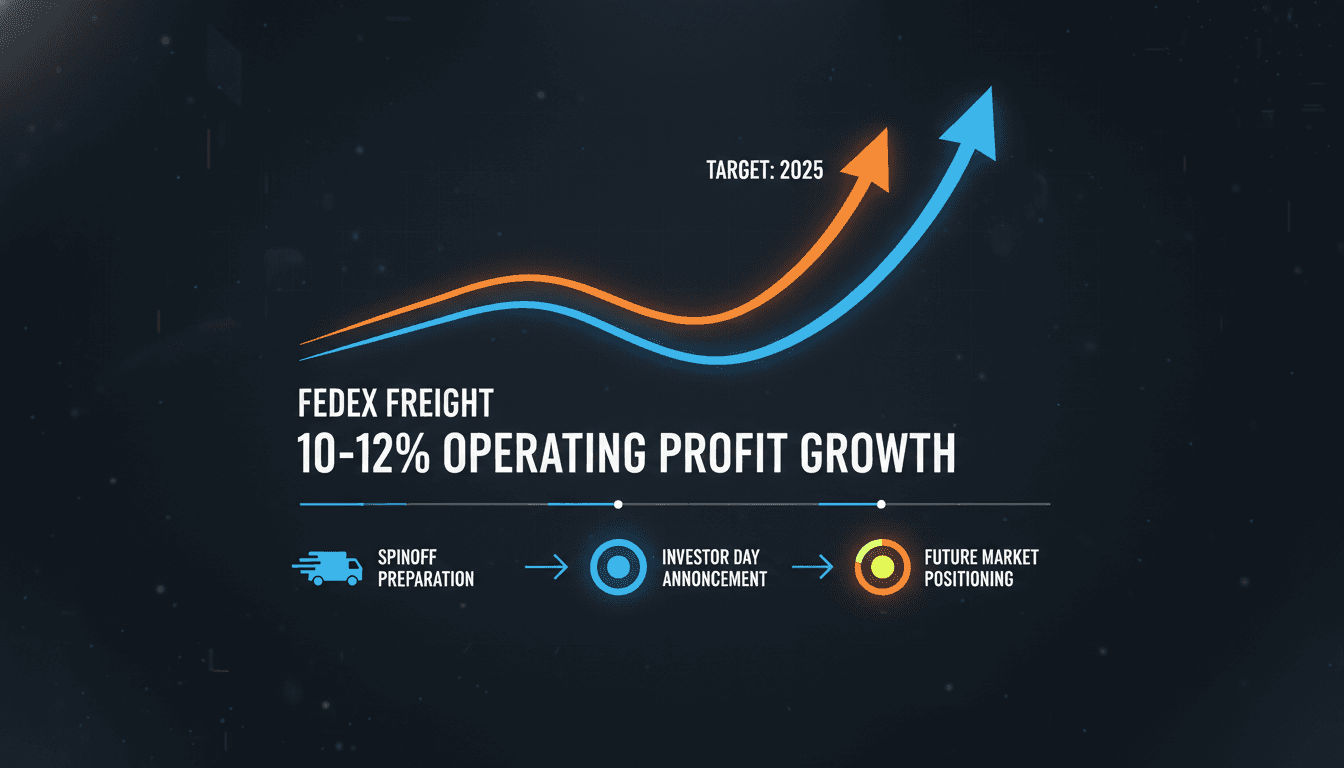
- On April 8, 2026, FedEx Freight announced a target of 10-12% average core operating profit growth during its first investor day.
- The spinoff from FedEx Corporation is set to occur on June 1, 2026, aiming to enhance focus on the less-than-truckload (LTL) market.
- Executives highlighted challenges such as high diesel prices, which are impacting the trucking industry.
The context you actually need
- FedEx Freight is the largest LTL carrier in North America, consolidating shipments to optimize delivery efficiency.
- The spinoff initiative, first announced in December 2024, aims to unlock undervalued assets and improve operational strategies.
- Market pressures, including elevated diesel costs, are prompting the need for enhanced efficiency and focused growth strategies.
What's really happening
The upcoming spinoff of FedEx Freight from its parent company, FedEx Corporation, is a strategic move aimed at unlocking value and enhancing operational efficiency. By separating into a standalone publicly listed entity, FedEx Freight can focus on its core business in the less-than-truckload (LTL) sector, which has been under pressure due to rising operational costs, particularly high diesel prices. The company has set ambitious targets for medium-term growth, projecting a 10-12% increase in core operating profits and a 4-6% rise in revenue.
This decision comes after a series of preparatory steps, including the filing of a Form 10 registration statement and a significant $3.7 billion senior notes offering to finance the spinoff. The leadership team, including incoming CEO John A. Smith and CFO Marshall Witt, is positioning the company to capitalize on its strengths in LTL services while navigating the challenges posed by the current market environment. The focus on optimizing assets and expanding its salesforce and digital platforms is intended to enhance service delivery and operational efficiency.
The LTL market, characterized by the transportation of smaller freight loads, is seeing increased competition and rising costs. By spinning off, FedEx Freight aims to streamline its operations, allowing for more agile decision-making and targeted strategies that can respond to market demands. This separation is expected to provide clearer financial metrics for investors, making it easier to assess the company's performance and growth potential.
As FedEx Freight prepares for its June 1, 2026, spinoff, the company is also navigating a challenging landscape marked by high diesel prices and a slow recovery in the trucking industry. The focus on core operating profit growth and revenue targets reflects an understanding of these pressures and a commitment to improving profitability through operational excellence.
Who feels it first (and how)
- Investors: They will closely monitor the financial performance of FedEx Freight post-spinoff, assessing its growth potential and operational efficiency.
- Logistics and transportation companies: Competitors may adjust their strategies in response to FedEx Freight's focused approach and growth targets.
- Shippers and businesses: Companies relying on LTL services might experience changes in pricing and service offerings as FedEx Freight optimizes its operations.
What to watch next
- Spinoff completion on June 1, 2026: This will be a critical moment to assess how the separation impacts FedEx Freight's operational focus and market positioning.
- Market reactions to profit growth targets: Analyst commentary and stock performance following the investor day will provide insights into investor confidence in the new entity.
- Trends in diesel prices: Continued fluctuations in fuel costs will impact operational strategies and profitability in the trucking sector.
FedEx Freight is targeting 10-12% core operating profit growth and 4-6% revenue growth.
The spinoff will lead to increased focus on LTL services and operational efficiency.
The full impact of high diesel prices on the trucking industry and FedEx Freight's profitability remains to be seen.
Frequently Asked Questions
- Why it matters?
- This spinoff reflects broader trends in the logistics sector, emphasizing specialization and efficiency amid rising operational costs.
- What happened (in 30 seconds)?
- On April 8, 2026, FedEx Freight announced a target of 10-12% average core operating profit growth during its first investor day. The spinoff from FedEx Corporation is set to occur on June 1, 2026, aiming to enhance focus on the less-than-truckload (LTL) market. Executives highlighted challenges such as high diesel prices, which are impacting the trucking industry.
- What's really happening?
- The upcoming spinoff of FedEx Freight from its parent company, FedEx Corporation, is a strategic move aimed at unlocking value and enhancing operational efficiency. By separating into a standalone publicly listed entity, FedEx Freight can focus on its core business in the less-than-truckload (LTL) sector, which has been under pressure due to rising operational costs, particularly high diesel prices. The company has set ambitious targets for medium-term growth, projecting a 10-12% increase in cor
- Who feels it first (and how)?
- Investors: They will closely monitor the financial performance of FedEx Freight post-spinoff, assessing its growth potential and operational efficiency. Logistics and transportation companies: Competitors may adjust their strategies in response to FedEx Freight's focused approach and growth targets. Shippers and businesses: Companies relying on LTL services might experience changes in pricing and service offerings as FedEx Freight optimizes its operations.
- What to watch next?
- Spinoff completion on June 1, 2026: This will be a critical moment to assess how the separation impacts FedEx Freight's operational focus and market positioning. Market reactions to profit growth targets: Analyst commentary and stock performance following the investor day will provide insights into investor confidence in the new entity. Trends in diesel prices: Continued fluctuations in fuel costs will impact operational strategies and profitability in the trucking sector.
Market-moving headlines impacting equities, bonds, and related risk assets.
"Real-time catalysts and volatility drivers across indices and sectors."
— A47 Editor
FedEx trucking spinoff targets 2026 operating margin of 12%
FedEx has announced its intention to achieve an operating margin of 12% by 2026 as part of its trucking spinoff strategy. This move is aimed at optimizing its operations and enhancing commercial offerings within the freight sector.
U.S. business news, corporate developments, and economy.
"The Wall Street Journal is respected for deep financial and economic reporting with a center-right editorial perspective."
— A47 Editor
FedEx Freight Shares Strategy, Outlook Ahead of Spinoff
FedEx Freight has announced its strategy and outlook as it prepares for a spinoff from FedEx, focusing on optimizing its network and enhancing commercial offerings. This move comes amid a backdrop of strong financial performance, with FedEx recently ...