
Ben Roberts-Smith Charged with Five War Crimes in Afghanistan
Here's what it means for you.
The unfolding legal proceedings against a high-profile military figure could reshape perceptions of accountability in global military operations.
Why it matters
This case highlights systemic issues within military conduct and the implications for international law enforcement.
What happened (in 30 seconds)
- Ben Roberts-Smith, a former Australian SAS corporal, was charged with five counts of war crime murder related to actions in Afghanistan between 2009 and 2012.
- Roberts-Smith was arrested on 7 April 2026 at Sydney Airport and remanded in custody, with no bail application made during his initial hearing.
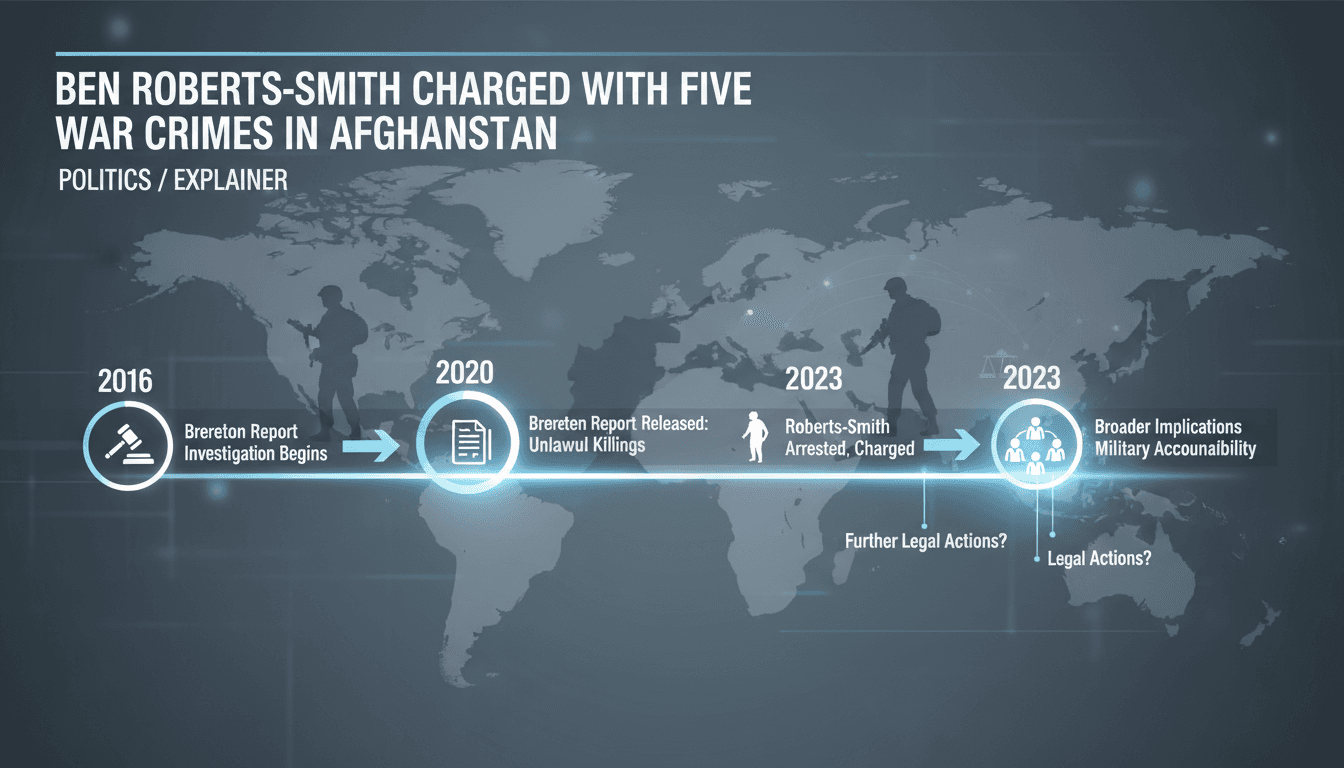
- The charges stem from findings in the 2020 Brereton Report, which documented 39 unlawful killings by Australian Special Forces personnel.
The context you actually need
- The Brereton Report, released in November 2020, provided credible evidence of unlawful killings by Australian forces, leading to the establishment of the Office of the Special Investigator.
- Roberts-Smith, a recipient of the Victoria Cross, previously lost a defamation case in 2023, where evidence suggested he committed multiple murders.
- The ongoing investigation into war crimes reflects a broader trend of increasing scrutiny on military operations and accountability for actions taken abroad.
What's really happening
The arrest of Ben Roberts-Smith marks a significant moment in the ongoing discourse surrounding military accountability and the legal ramifications of war crimes. His case is not isolated; it is part of a larger investigation into the conduct of Australian Special Forces in Afghanistan, which has revealed a troubling pattern of unlawful killings. The Brereton Report, which documented credible evidence of 39 unlawful killings, has been pivotal in prompting legal action against military personnel.
The Office of the Special Investigator was established to address these allegations, and Roberts-Smith's charges are the second set of charges brought forth in this context. This reflects a shift in how military actions are scrutinized and the willingness of Australian authorities to pursue justice for alleged war crimes. The implications extend beyond Roberts-Smith; they signal a potential change in military culture and accountability, which could resonate with other nations involved in similar conflicts.
Public reaction to Roberts-Smith's charges has been mixed, with some veterans' groups expressing support for accountability while others are concerned about the implications for military personnel. The Australian War Memorial's review of its exhibit dedicated to Roberts-Smith indicates a broader reassessment of how military achievements are celebrated in light of these allegations.
The legal proceedings are expected to unfold over the coming months, with the next court date set for 4 June 2026. The outcome will likely influence public perception of the military and could lead to further investigations into other personnel involved in similar incidents. The case underscores the importance of transparency and accountability in military operations, especially as nations grapple with the ethical implications of their actions abroad.
Who feels it first (and how)
- Military personnel: Increased scrutiny and potential legal consequences for actions taken during service.
- Veterans' groups: Mixed reactions that could affect support for military policies and veterans' rights.
- Public and media: Heightened awareness and debate regarding military accountability and ethical conduct in warfare.
What to watch next
- Court proceedings: The outcome of Roberts-Smith's trial will set a precedent for future military accountability cases.
- Public sentiment: Shifts in public opinion regarding military operations and the treatment of veterans could emerge as the case unfolds.
- Investigative outcomes: Further investigations into other military personnel may arise, potentially leading to additional charges or reforms in military conduct.
Roberts-Smith has been charged with five counts of war crime murder.
The case will influence public perception of military accountability and could lead to further investigations.
The long-term implications for military policy and culture in Australia and beyond remain to be seen.
Frequently Asked Questions
- Why it matters?
- This case highlights systemic issues within military conduct and the implications for international law enforcement.
- What happened (in 30 seconds)?
- Ben Roberts-Smith, a former Australian SAS corporal, was charged with five counts of war crime murder related to actions in Afghanistan between 2009 and 2012. Roberts-Smith was arrested on 7 April 2026 at Sydney Airport and remanded in custody, with no bail application made during his initial hearing. The charges stem from findings in the 2020 Brereton Report, which documented 39 unlawful killings by Australian Special Forces personnel.
- What's really happening?
- The arrest of Ben Roberts-Smith marks a significant moment in the ongoing discourse surrounding military accountability and the legal ramifications of war crimes. His case is not isolated; it is part of a larger investigation into the conduct of Australian Special Forces in Afghanistan, which has revealed a troubling pattern of unlawful killings. The Brereton Report, which documented credible evidence of 39 unlawful killings, has been pivotal in prompting legal action against military personnel.
- Who feels it first (and how)?
- Military personnel: Increased scrutiny and potential legal consequences for actions taken during service. Veterans' groups: Mixed reactions that could affect support for military policies and veterans' rights. Public and media: Heightened awareness and debate regarding military accountability and ethical conduct in warfare.
- What to watch next?
- Court proceedings: The outcome of Roberts-Smith's trial will set a precedent for future military accountability cases. Public sentiment: Shifts in public opinion regarding military operations and the treatment of veterans could emerge as the case unfolds. Investigative outcomes: Further investigations into other military personnel may arise, potentially leading to additional charges or reforms in military conduct.
Top international stories selected by The Guardian editors.
"The Guardian is known for its progressive editorial stance and in-depth analysis."
— A47 Editor
Ben Roberts-Smith to remain in jail after bail hearing over war crimes charges
Ben Roberts-Smith, a former Australian soldier and recipient of the Victoria Cross, will remain in jail following a bail hearing where his legal team opted not to apply for bail. This decision comes after he was charged with five counts of murder rel...
Breaking news, politics, business, and entertainment from the U.S. and around the world.
"The New York Post is a tabloid-format newspaper known for its sensationalist headlines and conservative-leaning editorial tone."
— A47 Editor
Australia’s most decorated living veteran remains behind bars on Afghan war crime charges
Ben Roberts-Smith, Australia's most decorated living veteran, remains in custody following the listing of war crime murder charges against him in a Sydney court. He faces allegations of committing five war crimes during his military service in Afghan...
Regional coverage and analysis focused on politics, diplomacy, and business across the Middle East.
"Al-Monitor is known for analytical reporting on Middle East politics and policy developments."
— A47 Editor
Former Australian soldier to remain in jail after being charged with Afghan war crimes
Former Australian soldier Ben Roberts-Smith has been charged with five counts of war crimes related to the murder of unarmed civilians in Afghanistan during his deployment between 2009 and 2012. Following his arrest at Sydney Airport, his legal team ...