
Mark Mobius, influential figure in emerging markets investing, passes away at 89
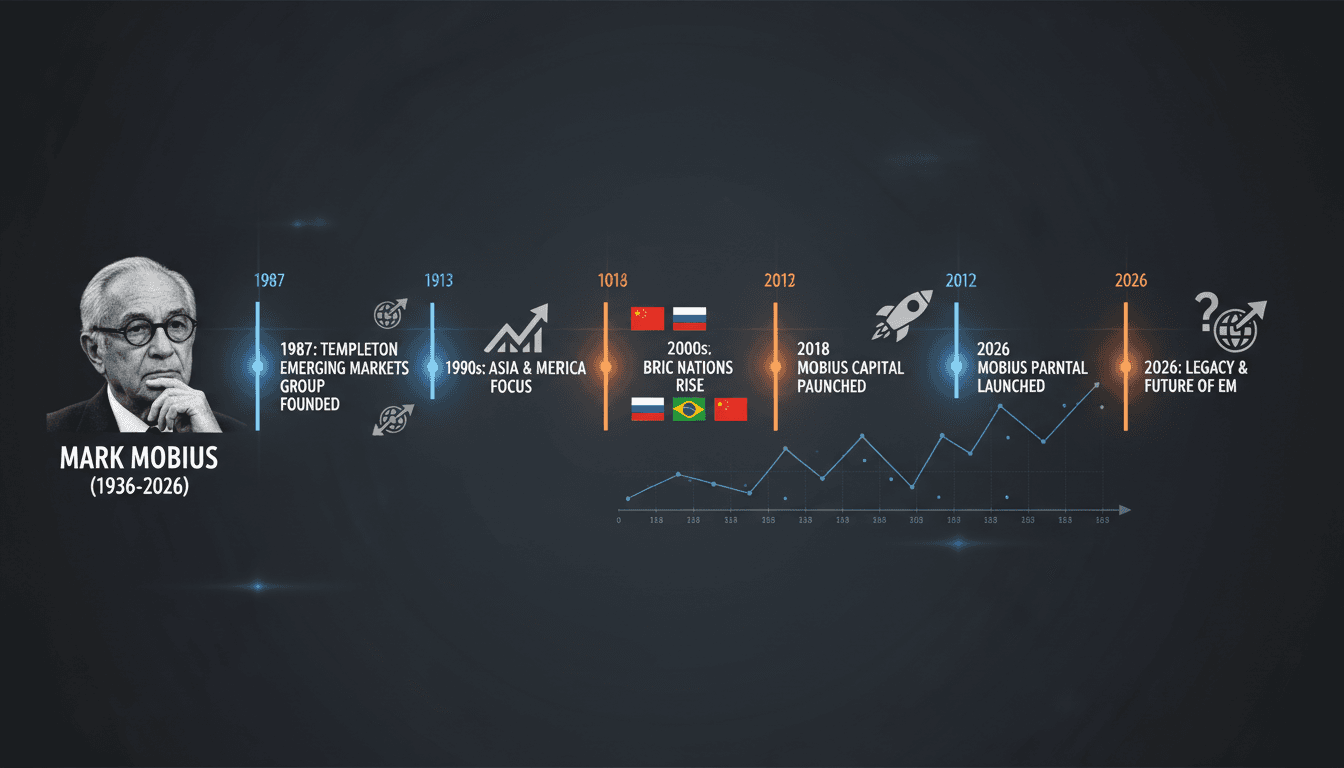
Here's what it means for you.
The passing of a key figure in emerging markets investing could reshape your investment landscape and opportunities.
Why it matters
Mobius's influence on emerging markets has set the stage for future investment strategies, impacting global capital flows.
What happened (in 30 seconds)
- Mark Mobius, the 'father of emerging markets investing,' died on April 15, 2026, in Singapore at age 89.
- Mobius Capital Partners will continue under the leadership of partners John Ninia and Eric Nguyen.
- Tributes from financial leaders highlight his significant contributions to emerging markets, particularly in India and Venezuela.
The context you actually need
- Mobius's career spanned decades, during which he grew Templeton Emerging Markets Group from $100 million to over $50 billion in assets under management.
- His approach involved visiting over 100 countries, which popularized investments in regions previously overlooked by institutional investors.
- Recent years saw him establish Mobius Investments in Dubai, positioning the emirate as a hub for frontier market strategies.
What's really happening
Mark Mobius's death marks the end of an era in emerging markets investing, a field he helped define and expand. His pioneering work at Franklin Templeton laid the groundwork for billions of dollars to flow into developing economies, which were often seen as too risky or volatile for institutional investors. By advocating for a hands-on approach—visiting countries and engaging with local markets—Mobius demonstrated that emerging markets could offer substantial returns, challenging the conventional wisdom of the time.
His legacy is particularly significant in regions like India and Venezuela, where he identified growth potential long before they became mainstream investment destinations. The strategies he championed have influenced countless investors and funds, creating a ripple effect that has shaped global investment patterns. As Mobius's partners take the reins at Mobius Investments, they are likely to continue his vision, focusing on high-potential markets that may still be underappreciated by larger players.
The immediate aftermath of his passing has not triggered any significant market shifts, but the long-term implications could be profound. Investors may reassess their strategies in light of Mobius's insights, potentially leading to increased interest in emerging markets. This could attract new capital to regions that Mobius championed, further validating his investment philosophies.
Moreover, Mobius's recent establishment of Mobius Investments in Dubai underscores the emirate's growing role as a financial hub for frontier markets. His presence there has likely attracted global investors looking for opportunities in developing economies. As his partners continue to operate from Dubai, the emirate may solidify its status as a key player in the emerging markets landscape.
In summary, while Mobius's death is a personal loss for many in the investment community, it also represents a pivotal moment for emerging markets investing. His legacy will continue to influence investment strategies and decisions, shaping the future of capital allocation in developing economies.
Who feels it first (and how)
- Institutional investors: They may reassess their portfolios and strategies in light of Mobius's insights and legacy.
- Emerging market funds: These funds could see increased interest and capital inflows as investors look to capitalize on Mobius's proven strategies.
- Geographies like India and Venezuela: These markets may experience heightened investment activity as they were key focuses of Mobius's work.
What to watch next
- Investment flows: Monitor shifts in capital allocation towards emerging markets, particularly in regions Mobius favored.
- Market sentiment: Watch for changes in investor confidence in emerging markets, which could be influenced by Mobius's legacy.
- Leadership transitions: Observe how Mobius Investments adapts under new leadership and whether they maintain his investment philosophy.
Mobius's death will impact emerging markets investing strategies.
Increased interest in emerging markets, particularly in India and Venezuela.
The long-term effects on market dynamics and investor behavior in response to his passing.
Frequently Asked Questions
- Why it matters?
- Mobius's influence on emerging markets has set the stage for future investment strategies, impacting global capital flows.
- What happened (in 30 seconds)?
- Mark Mobius, the 'father of emerging markets investing,' died on April 15, 2026, in Singapore at age 89. Mobius Capital Partners will continue under the leadership of partners John Ninia and Eric Nguyen. Tributes from financial leaders highlight his significant contributions to emerging markets, particularly in India and Venezuela.
- What's really happening?
- Mark Mobius's death marks the end of an era in emerging markets investing, a field he helped define and expand. His pioneering work at Franklin Templeton laid the groundwork for billions of dollars to flow into developing economies, which were often seen as too risky or volatile for institutional investors. By advocating for a hands-on approach—visiting countries and engaging with local markets—Mobius demonstrated that emerging markets could offer substantial returns, challenging the conventiona
- Who feels it first (and how)?
- Institutional investors: They may reassess their portfolios and strategies in light of Mobius's insights and legacy. Emerging market funds: These funds could see increased interest and capital inflows as investors look to capitalize on Mobius's proven strategies. Geographies like India and Venezuela: These markets may experience heightened investment activity as they were key focuses of Mobius's work.
- What to watch next?
- Investment flows: Monitor shifts in capital allocation towards emerging markets, particularly in regions Mobius favored. Market sentiment: Watch for changes in investor confidence in emerging markets, which could be influenced by Mobius's legacy. Leadership transitions: Observe how Mobius Investments adapts under new leadership and whether they maintain his investment philosophy.
Global markets, investing, and macroeconomics from a premier financial newsroom.
"Bloomberg is respected for in-depth financial reporting and data-driven analysis."
— A47 Editor
Mark Mobius, Emerging Markets Investing Pioneer, Dies at 89
Mark Mobius, a prominent figure in emerging markets investing, has died at the age of 89, marking a significant loss for the investment community. Known for his on-the-ground insights and pioneering efforts, Mobius played a crucial role in bringing a...
Markets desk coverage, trading insights, and investor updates.
"WSJ’s markets reporting provides in-depth analysis and context for investors."
— A47 Editor
Emerging-Market Pioneer Mark Mobius Dies at 89
Mark Mobius, a renowned figure in the investment world and a pioneer in emerging markets, has passed away at the age of 89. His contributions to the financial sector included managing funds that opened up investment opportunities in various developin...
Editor-curated FT homepage stories spanning markets, business, world, and opinion.
"The Financial Times is a globally respected business publication with a centrist/center-left tone and strong markets focus."
— A47 Editor
Veteran investor Mark Mobius dies at 89
Veteran investor Mark Mobius has passed away at the age of 89, marking the loss of a significant figure in the investment community known for pioneering emerging market investing. His career was characterized by efforts to manage funds that facilitat...