
U.S. Naval Blockade of Iranian Ports Reduces Strait of Hormuz Ship Traffic by 95%
Here's what it means for you.
If you rely on global shipping or oil markets, the blockade could disrupt supply chains and increase costs.
Why it matters
The blockade significantly impacts global oil prices and shipping routes, affecting economies worldwide.
What happened (in 30 seconds)
- April 12, 2026: President Trump announces a naval blockade of Iranian ports to pressure Iran amid the ongoing war.
- April 13, 2026: The U.S. Navy enforces the blockade, leading to a 95% drop in ship traffic through the Strait of Hormuz.
- April 15, 2026: Oil exports from Iran plummet to 1 million barrels per day, compared to 20 million pre-war.
The context you actually need
- The 2026 Iran war: This conflict escalated in early March, leading to Iran's closure of the Strait of Hormuz and significant disruptions in maritime traffic.
- Global oil dependency: The Strait of Hormuz is a critical chokepoint for approximately 20% of the world's oil supply, making any disruption a global concern.
- Failed peace talks: Diplomatic efforts to resolve the conflict collapsed, prompting the U.S. to take military action to enforce its demands.
What's really happening
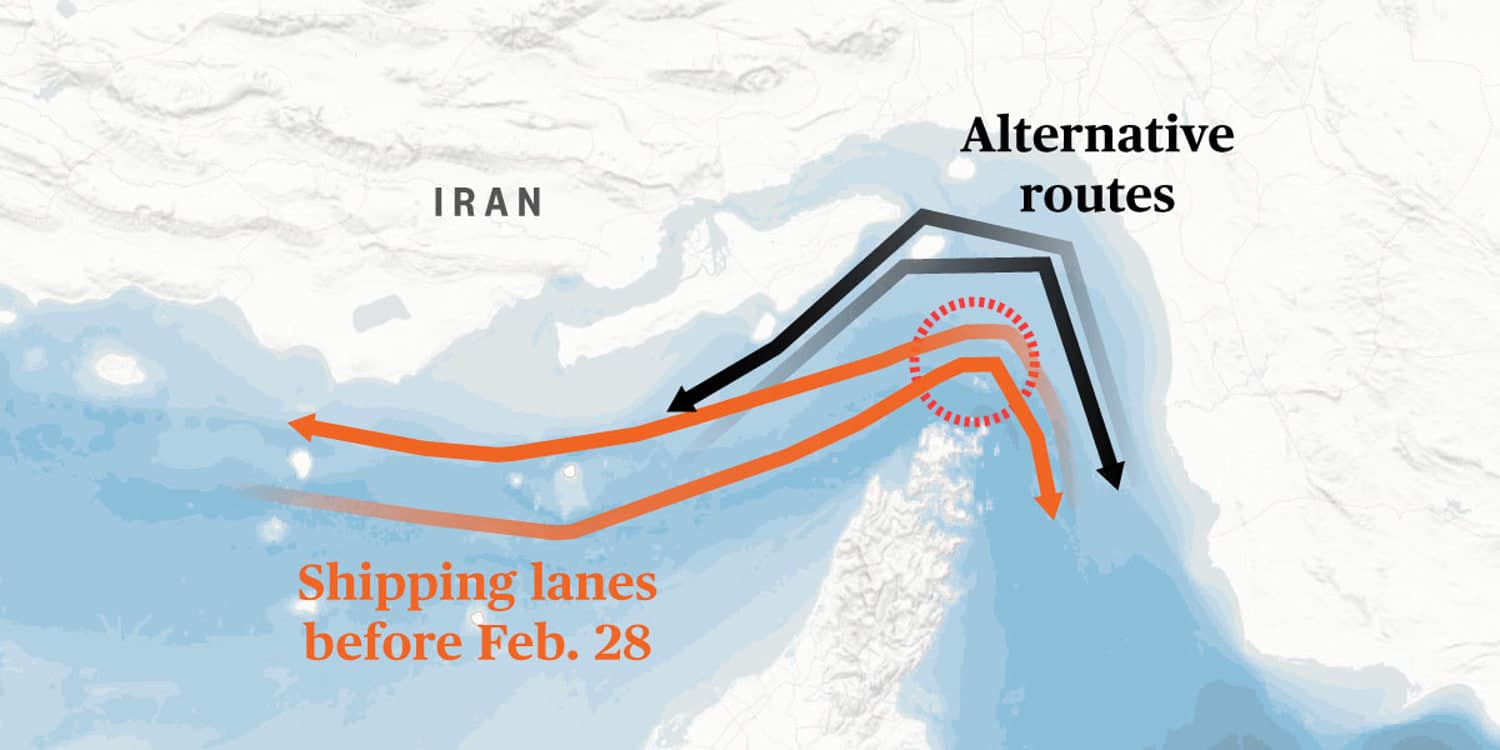
The U.S. naval blockade of Iranian ports is a strategic maneuver aimed at exerting economic pressure on Iran amid the ongoing 2026 Iran war. The blockade, which began on April 13, 2026, has led to a staggering 95% reduction in maritime traffic through the Strait of Hormuz, a vital artery for global oil shipments. Prior to the blockade, the strait saw an average of 130 vessels daily; now, only a handful are managing to navigate the area, with reports of sporadic transits and interdictions.
This blockade is not merely a military action; it is a calculated economic strategy designed to isolate Iran and compel it to abandon its nuclear ambitions. The U.S. aims to leverage its naval power to enforce compliance with ceasefire terms following failed peace negotiations. The blockade has immediate implications for global oil markets, as Iran's oil exports have plummeted from 20 million barrels per day to just 1 million. This drastic reduction is likely to drive oil prices higher, with current rates exceeding $79 per barrel.
The blockade also has broader implications for international shipping and trade. Shipping operators, particularly those from China and Russia, are facing increased risks and costs due to the heightened military presence in the region. Insurers are raising premiums for vessels operating in the area, further complicating logistics and supply chains. The situation is exacerbated by the fact that Dubai's Jebel Ali Port, a major hub for global trade, is experiencing a supply chain crisis due to the reduced number of inbound vessels and stranded cargo.
Moreover, the geopolitical landscape is shifting. The United Arab Emirates has signaled its readiness to support U.S. efforts to reopen the strait, while Iran has vowed retaliation against what it deems a "dangerous provocation." As tensions escalate, the potential for further military confrontations looms, which could have far-reaching consequences for global stability and economic security.
Who feels it first (and how)
- Shipping operators: Increased costs and risks due to the blockade and higher insurance premiums.
- Oil-dependent economies: Countries reliant on oil imports face rising prices and potential shortages.
- Dubai businesses: Local businesses are experiencing a downturn in tourism and trade, prompting government relief efforts.
- Global consumers: Higher oil prices could lead to increased costs for goods and services worldwide.
What to watch next
- Oil price fluctuations: Monitor how oil prices respond to ongoing tensions and supply disruptions, as this will impact global markets.
- Shipping routes: Watch for changes in shipping routes as companies seek to avoid the blockade, which could lead to longer transit times and increased costs.
- Geopolitical developments: Keep an eye on diplomatic efforts or military escalations that could alter the current situation in the Strait of Hormuz.
The blockade has led to a significant reduction in ship traffic and oil exports from Iran.
Oil prices will continue to rise as supply diminishes and geopolitical tensions escalate.
The long-term effectiveness of the blockade in achieving U.S. objectives regarding Iran's nuclear program remains uncertain.
Frequently Asked Questions
- Why it matters?
- The blockade significantly impacts global oil prices and shipping routes, affecting economies worldwide.
- What happened (in 30 seconds)?
- April 12, 2026: President Trump announces a naval blockade of Iranian ports to pressure Iran amid the ongoing war. April 13, 2026: The U.S. Navy enforces the blockade, leading to a 95% drop in ship traffic through the Strait of Hormuz. April 15, 2026: Oil exports from Iran plummet to 1 million barrels per day, compared to 20 million pre-war.
- What's really happening?
- The U.S. naval blockade of Iranian ports is a strategic maneuver aimed at exerting economic pressure on Iran amid the ongoing 2026 Iran war. The blockade, which began on April 13, 2026, has led to a staggering 95% reduction in maritime traffic through the Strait of Hormuz, a vital artery for global oil shipments. Prior to the blockade, the strait saw an average of 130 vessels daily; now, only a handful are managing to navigate the area, with reports of sporadic transits and interdictions. This
- Who feels it first (and how)?
- Shipping operators: Increased costs and risks due to the blockade and higher insurance premiums. Oil-dependent economies: Countries reliant on oil imports face rising prices and potential shortages. Dubai businesses: Local businesses are experiencing a downturn in tourism and trade, prompting government relief efforts. Global consumers: Higher oil prices could lead to increased costs for goods and services worldwide.
- What to watch next?
- Oil price fluctuations: Monitor how oil prices respond to ongoing tensions and supply disruptions, as this will impact global markets. Shipping routes: Watch for changes in shipping routes as companies seek to avoid the blockade, which could lead to longer transit times and increased costs. Geopolitical developments: Keep an eye on diplomatic efforts or military escalations that could alter the current situation in the Strait of Hormuz.
Breaking news, politics, business, and entertainment from the U.S. and around the world.
"The New York Post is a tabloid-format newspaper known for its sensationalist headlines and conservative-leaning editorial tone."
— A47 Editor
Why your upcoming cruise vacation is on the line amid Strait of Hormuz blockade
The ongoing blockade of the Strait of Hormuz, ordered by President Trump amid escalating tensions with Iran, has significantly impacted cruise ship itineraries and increased travel costs due to rising crude oil prices. This blockade follows a breakdo...
National headlines across the United States including breaking stories and societal issues.
"NBC News is a mainstream media outlet known for comprehensive national and international news coverage with a centrist to slightly left-leaning editorial tone."
— A47 Editor
Graphic: Tracking ship traffic through the Strait of Hormuz
Traffic through the Strait of Hormuz has come to a near-standstill for weeks due to escalating tensions related to the Iran war, significantly impacting oil prices and the flow of essential goods. Approximately 800 tankers are among 3,200 vessels bac...
Comprehensive coverage of global events, politics, and international issues.
"NBC News is a mainstream outlet known for comprehensive national and international coverage with a centrist to slightly left-leaning editorial tone."
— A47 Editor
Graphic: Tracking ship traffic through the Strait of Hormuz
Traffic through the Strait of Hormuz has come to a near-standstill for weeks due to escalating tensions related to the Iran war, significantly impacting oil prices and the flow of essential goods. Approximately 800 tankers are among 3,200 vessels bac...
Regional coverage and analysis focused on politics, diplomacy, and business across the Middle East.
"Al-Monitor is known for analytical reporting on Middle East politics and policy developments."
— A47 Editor
Oil back above $100 as US moves to blockade Strait of Hormuz
Oil prices have surged back above $100 per barrel as the United States has initiated a blockade of the Strait of Hormuz, a crucial maritime route for global oil shipments, following the collapse of peace talks with Iran. This blockade is expected to ...