
Iran Leverages Strait of Hormuz in U.S. Sanctions Negotiations
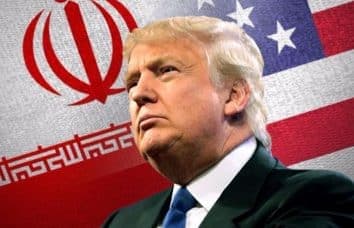
Here's what it means for you.
Rising oil prices and supply chain disruptions could impact your business costs and fuel expenses.
Why it matters
The Strait of Hormuz is a critical chokepoint for global oil supplies, and Iran's control over it directly influences energy markets and geopolitical stability.
What happened (in 30 seconds)
- On April 21, 2026, Iran leveraged its control of the Strait of Hormuz in stalled negotiations for U.S. sanctions relief.
- A fragile ceasefire followed the U.S.-Israeli war on Iran, which began on February 28, 2026, complicating diplomatic efforts.
- Oil prices surged toward $100 per barrel as Iran restricted maritime traffic, raising concerns among Gulf states and impacting global markets.
The context you actually need
- The Strait of Hormuz is vital for global oil transport, with 20% of supplies passing through it annually.
- Iran's military actions and restrictions on the strait have heightened tensions, prompting Gulf states to seek a more coordinated response.
- The U.S. maintains a naval blockade on Iranian ports, complicating the situation and limiting Iran's economic options.
What's really happening
The ongoing negotiations between Iran and the U.S. over sanctions relief are deeply intertwined with the geopolitical dynamics of the Strait of Hormuz. Following the U.S.-Israeli military campaign against Iran that began on February 28, 2026, Iran imposed restrictions on the strait, a critical passage for global oil supplies. This strategic maneuver has allowed Iran to assert its influence in negotiations, using its control over maritime access as leverage.
The ceasefire initiated on April 8, 2026, provided a temporary respite, but the subsequent talks in Islamabad have stalled due to disagreements over nuclear enrichment limits, the reopening of the Strait of Hormuz, and the $20 billion in sanctions relief sought by Iran. As negotiations falter, Iran's reassertion of control over the strait serves as a reminder of its strategic importance and the potential consequences for global oil markets.
The implications of this situation are significant. With oil prices nearing $100 per barrel, the economic impact is felt not only in the Gulf region but also globally. Countries reliant on oil imports, including those in Europe and Asia, may face increased costs, which could ripple through various sectors, from transportation to manufacturing. Additionally, Gulf states, particularly the UAE and Saudi Arabia, are expressing alarm at Iran's "golden grip" on the strait, fearing that it could embolden Iranian proxy threats and missile risks in the region.
As the U.S. maintains its naval blockade, Iran's ability to navigate these tensions will be crucial. The Iranian leadership has indicated a willingness to engage in talks, but the threat of military action looms large, with President Trump threatening infrastructure strikes if Iran does not comply. This precarious balance of power creates an environment of uncertainty, where any miscalculation could lead to further escalation.
In summary, the situation in the Strait of Hormuz is not just a regional issue; it has far-reaching implications for global energy markets and geopolitical stability. The interplay between military actions, diplomatic negotiations, and economic pressures will shape the future of this critical maritime corridor.
Who feels it first (and how)
- Oil and gas companies: Increased operational costs and potential supply chain disruptions.
- Transportation sectors: Rising fuel prices affecting logistics and shipping costs.
- Consumers: Higher prices at the pump and increased costs for goods reliant on oil.
- Gulf states: Economic pressures from rising oil prices and regional instability.
What to watch next
- Oil price fluctuations: Monitor how prices respond to developments in Hormuz traffic and negotiations, as they directly affect global markets.
- Diplomatic engagements: Watch for any new rounds of talks or shifts in U.S. policy that could influence sanctions relief and regional stability.
- Military movements: Keep an eye on U.S. and Iranian military activities in the region, as escalations could lead to significant market reactions.
Iran's control over the Strait of Hormuz is a critical factor in global oil supply.
Continued volatility in oil prices as negotiations progress or stall.
The long-term impact of U.S. sanctions on Iran's economy and regional influence.
Frequently Asked Questions
- Why it matters?
- The Strait of Hormuz is a critical chokepoint for global oil supplies, and Iran's control over it directly influences energy markets and geopolitical stability.
- What happened (in 30 seconds)?
- On April 21, 2026, Iran leveraged its control of the Strait of Hormuz in stalled negotiations for U.S. sanctions relief. A fragile ceasefire followed the U.S.-Israeli war on Iran, which began on February 28, 2026, complicating diplomatic efforts. Oil prices surged toward $100 per barrel as Iran restricted maritime traffic, raising concerns among Gulf states and impacting global markets.
- What's really happening?
- The ongoing negotiations between Iran and the U.S. over sanctions relief are deeply intertwined with the geopolitical dynamics of the Strait of Hormuz. Following the U.S.-Israeli military campaign against Iran that began on February 28, 2026, Iran imposed restrictions on the strait, a critical passage for global oil supplies. This strategic maneuver has allowed Iran to assert its influence in negotiations, using its control over maritime access as leverage. The ceasefire initiated on April 8, 2
- Who feels it first (and how)?
- Oil and gas companies: Increased operational costs and potential supply chain disruptions. Transportation sectors: Rising fuel prices affecting logistics and shipping costs. Consumers: Higher prices at the pump and increased costs for goods reliant on oil. Gulf states: Economic pressures from rising oil prices and regional instability.
- What to watch next?
- Oil price fluctuations: Monitor how prices respond to developments in Hormuz traffic and negotiations, as they directly affect global markets. Diplomatic engagements: Watch for any new rounds of talks or shifts in U.S. policy that could influence sanctions relief and regional stability. Military movements: Keep an eye on U.S. and Iranian military activities in the region, as escalations could lead to significant market reactions.
News and analysis on Bitcoin, altcoins, and blockchain innovation.
"Bitcoinist delivers news and analysis on Bitcoin, altcoins, and blockchain innovation with a focus on market trends and industry updates."
— A47 Editor
Crypto Fraudsters Allegedly Selling Hormuz Transit Guarantees As Iranian Fire Is Reported
As negotiations and a temporary ceasefire between the United States and Iran continue, shipping companies are facing new threats from crypto fraudsters allegedly selling fake transit guarantees for the Strait of Hormuz. Greek maritime risk management...
Global business headlines with AI angles.
"General business outlet that frequently covers AI."
— A47 Editor
Crypto Scammers Exploit Strait Of Hormuz Disruption With Fake Shipping Clearance Scheme
A coordinated scam campaign has emerged, exploiting the ongoing instability in the Strait of Hormuz by impersonating official transit authorization systems, raising maritime security concerns.
Research, news, and analysis on blockchain startups, DeFi, and regulations.
"Crypto Briefing provides research, news, and analysis on blockchain startups, DeFi, and crypto regulations with investor-focused coverage."
— A47 Editor
Iran uses Strait of Hormuz as leverage in Trump sanction talks
Iran's strategic maneuvering in the Strait of Hormuz has escalated geopolitical tensions, particularly in the context of ongoing negotiations surrounding U.S. sanctions led by former President Trump. This vital maritime route is crucial for global oi...
News, analysis, and thought leadership focusing exclusively on Bitcoin.
"Bitcoin Magazine is one of the original publications devoted to Bitcoin, offering in-depth news, analysis, and commentary."
— A47 Editor
Scammers Target Stranded Ships in Strait of Hormuz With Fake Bitcoin Transit Fees
Scammers are targeting global shipping firms by demanding fake transit fees in Bitcoin and Tether for vessels stranded in the Strait of Hormuz, amidst rising geopolitical tensions in the region. This fraudulent activity highlights the vulnerabilities...
UAE-based English-language newspaper covering regional politics, economics, and global affairs.
"The National reflects Emirati policy perspectives while maintaining international editorial standards."
— A47 Editor
Fraudsters offer ships Strait of Hormuz passage in exchange for crypto
Fraudsters are reportedly targeting shipping companies by offering safe passage through the Strait of Hormuz in exchange for cryptocurrency, exploiting the ongoing tensions and disruptions in the region. This scam comes amid heightened military activ...
Arabic-language coverage of political affairs and current events.
"Okaz political coverage typically follows mainstream Saudi framing on national and regional affairs."
— A47 Editor
فوضى هرمز تفتح باب الاحتيال.. رسوم وهمية لعبور السفن
A Greek maritime risk management company, Marisks, has issued a warning about fraudulent messages targeting shipping companies, claiming to secure safe passage for vessels through the Strait of Hormuz in exchange for cryptocurrency payments. These me...
Covers blockchain, cryptocurrency news, project analysis, and market insights.
"CoinDesk is a well-established cryptocurrency and blockchain news provider, offering comprehensive insights, market data, and industry research."
— A47 Editor
Crypto scammers offer ‘safe passage’ through Hormuz. At least one ship may have been conned.
Marisks, a maritime risk company, has issued a warning about scammers posing as Iranian authorities, offering 'safe passage' through the Hormuz Strait in exchange for bitcoin or USDT. This warning comes amid ongoing tensions and blockades affecting m...
Real-time updates, analysis, and reports on the blockchain and cryptocurrency sectors.
"Crypto News delivers real-time updates, analysis, and reports on the blockchain and cryptocurrency sectors."
— A47 Editor
Scammers seek crypto payments from ships stranded near Strait of Hormuz
MARISKS has issued a warning about scammers posing as Iranian authorities who are demanding cryptocurrency payments, specifically bitcoin or USDT, from ships stranded near the Strait of Hormuz. This alarming trend highlights the vulnerabilities faced...
Business and economy coverage focused on Dubai, the UAE, Saudi Arabia, and the wider Middle East.
"Arabian Business is a well-known regional business outlet with strong focus on Gulf markets, leadership, and investment stories."
— A47 Editor
Scam messages offering ships safe transit through Hormuz, security firm warns
MARISKS, a maritime risk management firm, has issued a warning to shipowners about fraudulent messages from unknown actors claiming to represent Iranian authorities. These messages demand cryptocurrency payments, specifically Bitcoin or Tether, for s...
Covers blockchain, cryptocurrency news, project analysis, and market insights.
"Cointelegraph is a leading crypto-focused media outlet known for timely news, analysis, and educational content related to blockchain and digital assets."
— A47 Editor
Scammers demand crypto from stranded ships in Strait of Hormuz: Report
Shipping companies with vessels stranded near the Strait of Hormuz are facing threats from scammers impersonating Iranian authorities, who are demanding cryptocurrency payments, specifically Bitcoin or USDt, for safe passage. This alarming trend has ...
Research, news, and analysis on blockchain startups, DeFi, and regulations.
"Crypto Briefing provides research, news, and analysis on blockchain startups, DeFi, and crypto regulations with investor-focused coverage."
— A47 Editor
Iranian actors demand crypto for safe passage in Strait of Hormuz
Iranian actors have demanded cryptocurrency as a means for safe passage through the strategically vital Strait of Hormuz, a key route for global oil trade. This demand arises amid escalating geopolitical tensions that threaten to disrupt oil supplies...
Regional coverage and analysis focused on politics, diplomacy, and business across the Middle East.
"Al-Monitor is known for analytical reporting on Middle East politics and policy developments."
— A47 Editor
Scam messages offering ships safe transit through Hormuz, security firm warns
A Greek maritime risk management firm, MARISKS, has issued a warning about fraudulent messages that promise safe passage through the Strait of Hormuz in exchange for cryptocurrency. These scams target shipping companies with vessels stranded west of ...