
Trump threatens journalist with prosecution over F-15E rescue leak amid ongoing US-Iran war
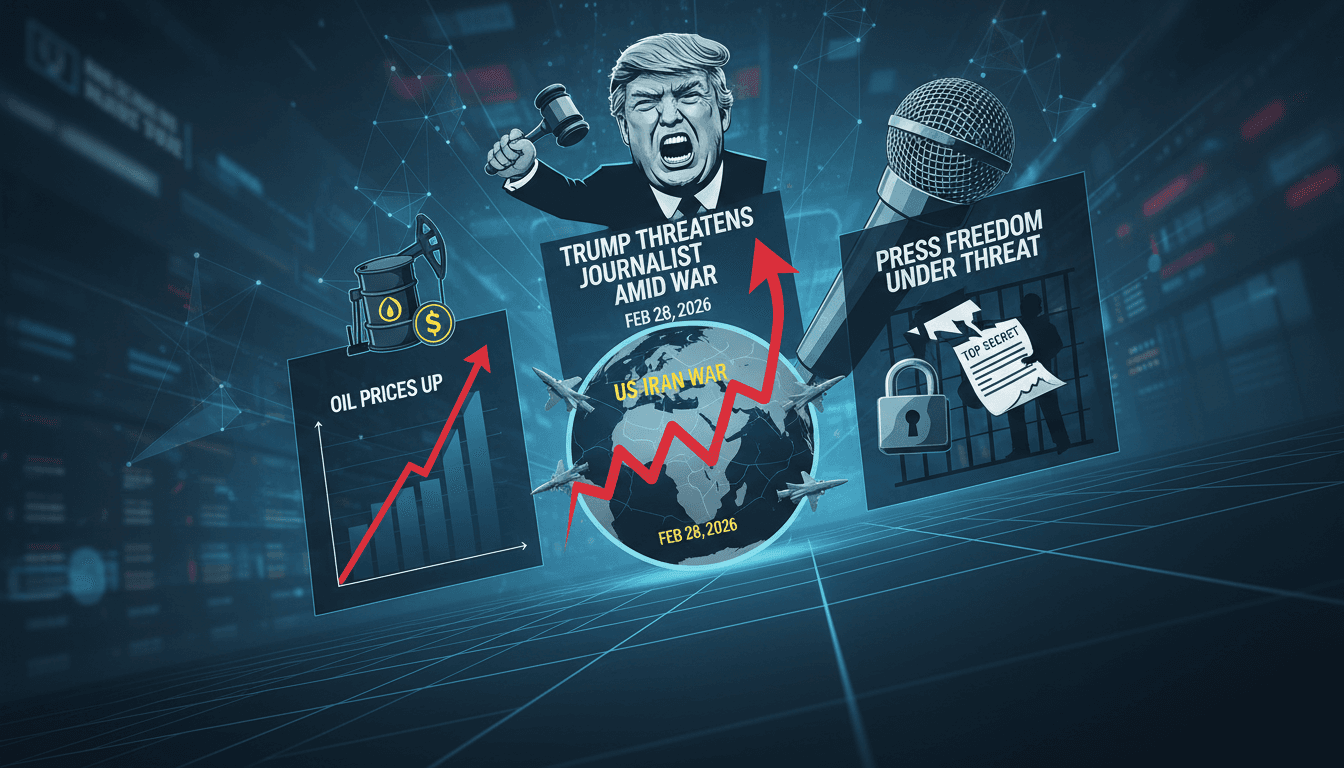
Here's what it means for you.
Your access to timely and critical information may be at risk as press freedom faces new challenges.
Why it matters
The ongoing U.S.-Iran conflict and the response to media leaks could reshape how national security issues are reported.
What happened (in 30 seconds)
- On April 3, 2026, an F-15E Strike Eagle was shot down over Iran, leading to a complex rescue operation for a missing crew member.
- President Trump threatened to imprison a journalist for reporting on the rescue, demanding the media outlet disclose its sources.
- The situation escalated amid heightened military tensions, with Iran offering a bounty for the captured airman.
The context you actually need
- The U.S.-Iran war began on February 28, 2026, following escalating military actions, including the closure of the Strait of Hormuz.
- Media coverage of military operations has become increasingly scrutinized, especially regarding national security implications.
- Oil prices surged by over $120 per barrel due to geopolitical instability, impacting global markets and economies.
What's really happening
The U.S.-Iran war has created a volatile environment where military operations are not only a matter of national security but also a battleground for information control. The downing of the F-15E Strike Eagle marked a significant escalation in hostilities, representing the first confirmed loss of a U.S. combat aircraft within Iranian territory. This incident has heightened the stakes for both military personnel and journalists covering the conflict.
President Trump’s threat to imprison a journalist for reporting on the rescue operation reflects a broader trend of increasing tension between government officials and the media. By demanding that the media outlet reveal its sources, Trump is attempting to exert control over the narrative surrounding military operations. This move raises substantial First Amendment concerns, as it challenges the fundamental principles of press freedom and the public's right to know about military actions.
The implications of this threat extend beyond the immediate situation. If journalists fear legal repercussions for reporting on sensitive military operations, it could lead to self-censorship and a chilling effect on the media. This would limit the public's access to crucial information about ongoing conflicts and the government's actions, ultimately undermining democratic accountability.
Moreover, the geopolitical ramifications are significant. The closure of the Strait of Hormuz by Iran has already disrupted global oil shipments, leading to a surge in oil prices. As tensions escalate, the potential for further military confrontations increases, which could have far-reaching effects on global markets and energy security. The U.S. military's operations in the region are now under intense scrutiny, and any leaks or reports could provoke retaliatory actions from Iran, further complicating the situation.
In this context, the balance between national security and press freedom is precarious. The Trump administration's approach to handling leaks and media coverage of military operations may set a precedent for future administrations, influencing how conflicts are reported and perceived. As the situation unfolds, the relationship between the government and the media will be critical in shaping public understanding of military engagements and their consequences.
Who feels it first (and how)
- Journalists: Increased risk of legal repercussions for reporting on military matters.
- Military personnel: Heightened scrutiny and potential operational risks due to media coverage.
- Energy sector: Fluctuating oil prices and shipping disruptions affecting profitability.
- General public: Limited access to information about military operations and national security issues.
What to watch next
- Legal challenges: Monitor any developments regarding potential legal actions against journalists or media outlets.
- Military operations: Watch for changes in U.S. military strategy in response to media coverage and Iranian actions.
- Oil market fluctuations: Keep an eye on Brent Crude prices as geopolitical tensions evolve, impacting global economies.
The U.S.-Iran war has escalated tensions in the region.
Increased scrutiny of media reporting on military operations will continue.
The long-term impact on press freedom and public access to information remains uncertain.
Frequently Asked Questions
- Why it matters?
- The ongoing U.S.-Iran conflict and the response to media leaks could reshape how national security issues are reported.
- What happened (in 30 seconds)?
- On April 3, 2026, an F-15E Strike Eagle was shot down over Iran, leading to a complex rescue operation for a missing crew member. President Trump threatened to imprison a journalist for reporting on the rescue, demanding the media outlet disclose its sources. The situation escalated amid heightened military tensions, with Iran offering a bounty for the captured airman.
- What's really happening?
- The U.S.-Iran war has created a volatile environment where military operations are not only a matter of national security but also a battleground for information control. The downing of the F-15E Strike Eagle marked a significant escalation in hostilities, representing the first confirmed loss of a U.S. combat aircraft within Iranian territory. This incident has heightened the stakes for both military personnel and journalists covering the conflict. President Trump’s threat to imprison a journa
- Who feels it first (and how)?
- Journalists: Increased risk of legal repercussions for reporting on military matters. Military personnel: Heightened scrutiny and potential operational risks due to media coverage. Energy sector: Fluctuating oil prices and shipping disruptions affecting profitability. General public: Limited access to information about military operations and national security issues.
- What to watch next?
- Legal challenges: Monitor any developments regarding potential legal actions against journalists or media outlets. Military operations: Watch for changes in U.S. military strategy in response to media coverage and Iranian actions. Oil market fluctuations: Keep an eye on Brent Crude prices as geopolitical tensions evolve, impacting global economies.
Arabic-language coverage of political affairs and current events.
"Okaz political coverage typically follows mainstream Saudi framing on national and regional affairs."
— A47 Editor
ترمب يعد بملاحقة صحفي ومصادره في "قضية إف-15"
President Donald Trump threatened to imprison a journalist who reported on the U.S. military's search for a weapons officer after an F-15E fighter jet was downed over Iran, unless the journalist reveals their sources. During a press conference, Trump...
Arabic-language digital news outlet covering UAE, regional, and international developments with broad general-news coverage.
"Al Ain News coverage typically blends UAE-focused reporting with wider Arab regional and international news."
— A47 Editor
هدد صحفي بالسجن.. «تسريبات الطيار» تفجر أزمة بين ترامب والإعلام
U.S. President Donald Trump has sharply criticized American media outlets for their coverage of the Iran war, following the release of controversial pilot leaks that have sparked a significant crisis between his administration and the press. The tens...
Pan-Arab news coverage spanning politics, business, sports, and regional affairs.
"Asharq Al-Awsat reflects a broad Arab editorial perspective with strong attention to regional geopolitics."
— A47 Editor
ترمب يهدد بسجن صحافي سرب خبر إنقاذ طيار أميركي في إيران
On Monday, U.S. President Donald Trump announced that he would demand the journalist who first reported the rescue of an American Air Force pilot in Iran to disclose their source. This statement reflects Trump's ongoing tensions with the media and hi...
Arabic-language coverage of international news and geopolitics.
"RT Arabic is a Russian state-funded outlet often criticized for promoting Kremlin-aligned narratives."
— A47 Editor
ترامب يهدد بسجن صحفي بدعوى تسريبه خبر إنقاذ الطيار الأمريكي في إيران
U.S. President Donald Trump has demanded that a journalist, who was the first to leak information about the rescue of an American Air Force member in Iran, disclose their source, threatening imprisonment if the journalist refuses to comply. This stat...