
Trump Announces Conditional Two-Week Ceasefire with Iran Amid Pakistani Mediation
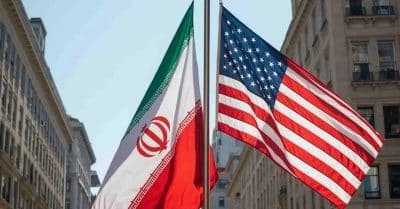
Here's what it means for you.
The recent U.S.-Iran ceasefire could reshape energy prices and geopolitical stability, impacting global markets and your wallet.
Why it matters
This ceasefire is pivotal for global energy flows and could influence economic conditions in multiple regions.
What happened (in 30 seconds)
- On April 7, 2026, U.S. President Donald Trump announced a conditional two-week ceasefire with Iran, contingent on reopening the Strait of Hormuz.
- Pakistan mediated the proposal, urging both sides to engage in diplomacy amid escalating tensions that began on February 28, 2026.
- Market reactions were immediate, with prediction markets seeing a surge in trading volumes and oil prices dropping significantly.
The context you actually need
- The U.S.-Iran conflict escalated rapidly after U.S.-Israeli strikes initiated major combat operations, leading to multiple ultimatums from Trump.
- Iran's 10-point plan was submitted as a basis for peace negotiations, framing the ceasefire as a diplomatic victory for Tehran.
- The Strait of Hormuz is a critical chokepoint for global oil shipments, making its reopening vital for international trade and energy security.
What's really happening
The ceasefire announced by Trump is not merely a pause in hostilities; it represents a complex interplay of diplomatic maneuvering and market reactions. The U.S.-Iran conflict, which escalated dramatically in early 2026, saw the U.S. issuing ultimatums and threats to destroy Iranian infrastructure. The situation reached a boiling point with the deadline set for April 7, 2026, when Iran was expected to comply with U.S. demands regarding the Strait of Hormuz.
Pakistan's role as a mediator was crucial. Prime Minister Shehbaz Sharif and Field Marshal Asim Munir proposed the two-week ceasefire as a goodwill gesture to facilitate dialogue. Trump's acceptance of this proposal indicates a strategic shift; he noted that U.S. military objectives had been "met and exceeded," suggesting a readiness to de-escalate tensions in favor of a more stable long-term agreement.
The immediate market response was telling. Trading volumes on platforms like Polymarket surged to $115 million, reflecting heightened speculation about future ceasefires and peace agreements. Oil prices dropped significantly, with WTI crude falling by 15.7%, easing import costs for countries dependent on oil, including the UAE and Dubai. This decline in oil prices could have a ripple effect on inflation and consumer spending in regions heavily reliant on energy imports.
Iran's framing of the ceasefire as a "historic victory" is also significant. It suggests that Tehran views this development as a validation of its negotiating position, potentially consolidating the regime's power domestically. Meanwhile, the U.S. markets rallied, indicating investor optimism about reduced geopolitical risks.
The ceasefire's implications extend beyond immediate military concerns. It could pave the way for more comprehensive negotiations, potentially altering the balance of power in the Middle East. The reopening of the Strait of Hormuz is not just a logistical issue; it symbolizes broader geopolitical dynamics and the interdependence of global markets.
Who feels it first (and how)
- Energy sector professionals: Fluctuations in oil prices will directly impact their operations and profitability.
- Investors in prediction markets: Increased trading volumes signal opportunities for profit based on geopolitical developments.
- Consumers in oil-dependent regions: Lower oil prices may lead to reduced costs for goods and services, impacting household budgets.
- Geopolitical analysts and policymakers: They will closely monitor the implications of this ceasefire for future U.S.-Iran relations and regional stability.
What to watch next
- Compliance with ceasefire conditions: Monitoring whether Iran reopens the Strait of Hormuz will be crucial for assessing the ceasefire's durability.
- Market reactions to oil price fluctuations: Continued volatility in oil prices will affect global markets and could signal shifts in economic stability.
- Future diplomatic engagements: Watch for any follow-up negotiations or agreements that may emerge from this ceasefire, as they could reshape regional alliances.
The ceasefire is conditional on Iran's actions regarding the Strait of Hormuz.
Market volatility will continue as investors react to developments in U.S.-Iran relations.
The long-term effects on regional stability and U.S. foreign policy remain uncertain.
Frequently Asked Questions
- Why it matters?
- This ceasefire is pivotal for global energy flows and could influence economic conditions in multiple regions.
- What happened (in 30 seconds)?
- On April 7, 2026, U.S. President Donald Trump announced a conditional two-week ceasefire with Iran, contingent on reopening the Strait of Hormuz. Pakistan mediated the proposal, urging both sides to engage in diplomacy amid escalating tensions that began on February 28, 2026. Market reactions were immediate, with prediction markets seeing a surge in trading volumes and oil prices dropping significantly.
- What's really happening?
- The ceasefire announced by Trump is not merely a pause in hostilities; it represents a complex interplay of diplomatic maneuvering and market reactions. The U.S.-Iran conflict, which escalated dramatically in early 2026, saw the U.S. issuing ultimatums and threats to destroy Iranian infrastructure. The situation reached a boiling point with the deadline set for April 7, 2026, when Iran was expected to comply with U.S. demands regarding the Strait of Hormuz. Pakistan's role as a mediator was cru
- Who feels it first (and how)?
- Energy sector professionals: Fluctuations in oil prices will directly impact their operations and profitability. Investors in prediction markets: Increased trading volumes signal opportunities for profit based on geopolitical developments. Consumers in oil-dependent regions: Lower oil prices may lead to reduced costs for goods and services, impacting household budgets. Geopolitical analysts and policymakers: They will closely monitor the implications of this ceasefire for future U.S.-Iran
- What to watch next?
- Compliance with ceasefire conditions: Monitoring whether Iran reopens the Strait of Hormuz will be crucial for assessing the ceasefire's durability. Market reactions to oil price fluctuations: Continued volatility in oil prices will affect global markets and could signal shifts in economic stability. Future diplomatic engagements: Watch for any follow-up negotiations or agreements that may emerge from this ceasefire, as they could reshape regional alliances.
Top international stories selected by The Guardian editors.
"The Guardian is known for its progressive editorial stance and in-depth analysis."
— A47 Editor
US and Iran agree to provisional ceasefire as Tehran says it will reopen strait of Hormuz
The United States and Iran have reached a provisional two-week ceasefire, allowing for the reopening of the strategically important Strait of Hormuz. This agreement was facilitated by a last-minute diplomatic intervention from Pakistan, which came af...
News from the United States including domestic politics, society, and culture.
"The Guardian is known for its progressive editorial stance and in-depth analysis, often advocating for social justice, environmental issues, and liberal values."
— A47 Editor
US and Iran agree to provisional ceasefire with Tehran saying it will reopen strait of Hormuz
The United States and Iran have reached a provisional two-week ceasefire, facilitated by a last-minute diplomatic intervention from Pakistan, which effectively canceled an ultimatum from President Donald Trump demanding Iran's surrender or face sever...
Regional coverage and analysis focused on politics, diplomacy, and business across the Middle East.
"Al-Monitor is known for analytical reporting on Middle East politics and policy developments."
— A47 Editor
Trump says he agrees to suspend bombing of Iran for two weeks
U.S. President Donald Trump announced on April 7, 2026, that he has agreed to suspend military operations against Iran for two weeks, following a ceasefire proposal mediated by Pakistan. This decision comes amid escalating tensions and a looming dead...
Arabic-language UAE newspaper coverage focused on domestic affairs, public institutions, business, society, and regional developments.
"Al Khaleej coverage generally reflects a mainstream UAE editorial lens with strong attention to public affairs, institutions, and regional developments."
— A47 Editor
ترامب يوافق على وقف إطلاق النار مع إيران لمدة أسبوعين
On April 7, 2026, U.S. President Donald Trump announced a two-week ceasefire with Iran, following a Pakistani proposal that included Iran's commitment to reopen the strategically vital Strait of Hormuz. This agreement comes just before a deadline Tru...
Research, news, and analysis on blockchain startups, DeFi, and regulations.
"Crypto Briefing provides research, news, and analysis on blockchain startups, DeFi, and crypto regulations with investor-focused coverage."
— A47 Editor
Trump declares US-Iran ceasefire after Pakistani proposal, market odds surge
President Trump has announced a ceasefire between the United States and Iran following a proposal from Pakistan, a development that has led to a surge in market odds regarding stability in the region. This ceasefire aims to alleviate escalating geopo...
Arabic-language digital news outlet covering UAE, regional, and international developments with broad general-news coverage.
"Al Ain News coverage typically blends UAE-focused reporting with wider Arab regional and international news."
— A47 Editor
«رهن بفتح مضيق هرمز».. ترامب يوافق على وقف قصف إيران لمدة أسبوعين
U.S. President Donald Trump has agreed to Iran's proposal to halt airstrikes against the country for a period of two weeks, contingent upon Iran's decision to open the Strait of Hormuz.
Global markets, investing, and macroeconomics from a premier financial newsroom.
"Bloomberg is respected for in-depth financial reporting and data-driven analysis."
— A47 Editor
Gold Pares Gains After Iran Says Ceasefire Deal With US Violated
Gold prices have decreased following a statement from the Iranian parliament speaker indicating that a temporary ceasefire agreement with the United States has been violated. This development comes amid ongoing geopolitical tensions and fluctuating m...