
UAE Disappointed by UN Security Council Veto on Strait of Hormuz Resolution
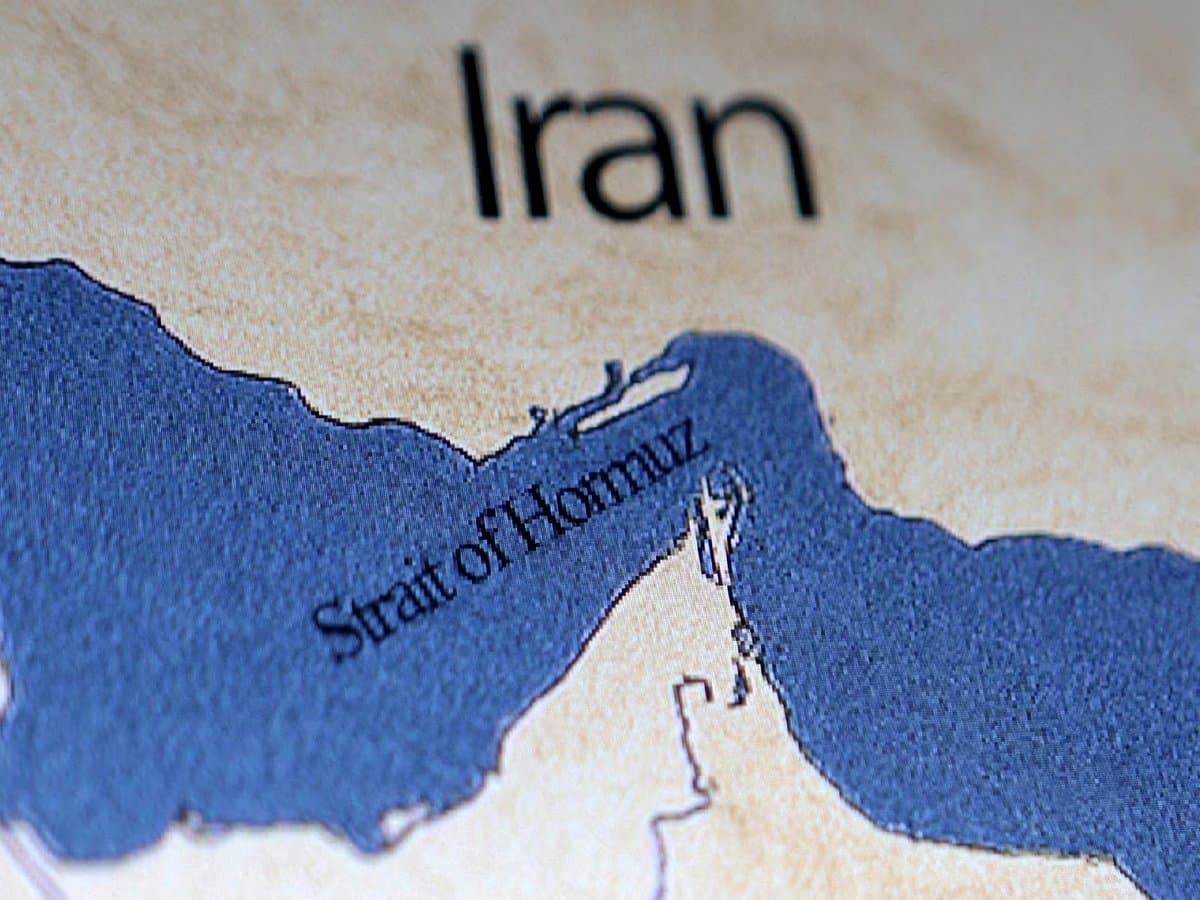
Here's what it means for you.
Rising energy prices and food supply risks could directly impact your cost of living and business operations.
Why it matters
The veto by Russia and China prevents crucial international action to stabilize a key maritime chokepoint affecting global trade.
What happened (in 30 seconds)
- UAE disappointment: On April 7, 2026, the UAE expressed deep disappointment as the UN Security Council vetoed a resolution aimed at addressing Iran's closure of the Strait of Hormuz.
- Iranian attacks: Since February 28, 2026, Iran has attacked at least 21 vessels, resulting in over 10 crew fatalities and stranding 20,000 seafarers.
- Global trade disruption: The closure has disrupted one-fifth of the world's oil and LNG trade and one-third of fertilizer shipments, raising concerns over economic stability.
The context you actually need
- Escalating conflict: The crisis stems from rising tensions in the US-Israel-Iran conflict, with Iran's aggressive actions against commercial shipping escalating since late February.
- Previous resolutions: Prior to the veto, the UN Security Council had seen Resolution 2817, co-sponsored by 136 nations, condemning Iranian threats to maritime navigation.
- International response: The International Maritime Organization condemned Iran's actions in March 2026, with support from over 115 states, highlighting the global concern over navigation safety and economic stability.
What's really happening
The recent veto by Russia and China in the UN Security Council has significant implications for global trade and regional stability. The Strait of Hormuz is a critical maritime corridor, handling approximately 20% of the world's oil and significant liquefied natural gas (LNG) shipments. The ongoing Iranian attacks on commercial vessels have raised alarms, not only for the immediate safety of maritime navigation but also for the broader economic repercussions.
The UAE, alongside Bahrain and other Gulf Cooperation Council (GCC) nations, sought to address these threats through a coordinated international response. However, the veto has left these nations feeling vulnerable and frustrated. UAE officials have labeled Iran's actions as "economic terrorism," emphasizing the potential for widespread economic fallout, including soaring energy prices and food supply disruptions.
The geopolitical landscape is further complicated by the strategic interests of Russia and China, who may view the resolution as a threat to their own regional ambitions or alliances. This dynamic underscores the challenges of achieving consensus in international bodies like the UN Security Council, where the interests of major powers can overshadow pressing global issues.
As the situation evolves, the UAE is likely to pursue alternative diplomatic channels to address the crisis, including bolstering regional alliances and enhancing maritime security measures. The failure to adopt the resolution may also prompt GCC nations to increase their strategic reserves of essential goods, such as food and fuel, to mitigate the impact of potential supply chain disruptions.
In the immediate term, the elevated tensions in the Strait of Hormuz are expected to keep oil prices high, with Brent crude already surging to over $100 per barrel—an 80% increase year-to-date. This spike in energy costs will ripple through economies, affecting everything from transportation to consumer goods, and placing additional pressure on governments to manage inflation and food security.
Who feels it first (and how)
- Consumers: Higher fuel prices and food costs will directly impact household budgets, especially in regions heavily reliant on imports.
- Shipping companies: Increased insurance premiums and operational risks in the region will affect profitability and shipping routes.
- Agriculture sectors: Disruption in fertilizer shipments could lead to reduced agricultural output, impacting food prices and availability.
- Energy markets: Oil and gas companies will face volatility in pricing, affecting investment and operational decisions.
What to watch next
- Energy prices: Monitor Brent crude prices as they may continue to rise, influencing global inflation and economic stability.
- Diplomatic efforts: Watch for any new diplomatic initiatives from the UAE and GCC nations aimed at securing maritime safety and addressing Iranian aggression.
- Food security measures: Observe how GCC countries enhance food security protocols, including strategic reserves, in response to supply chain disruptions.
Iran has attacked at least 21 vessels since February 2026, leading to significant maritime disruptions.
Energy prices will remain elevated, impacting global markets and consumer costs.
The long-term effectiveness of alternative diplomatic channels pursued by the UAE and GCC nations remains uncertain.
Frequently Asked Questions
- Why it matters?
- The veto by Russia and China prevents crucial international action to stabilize a key maritime chokepoint affecting global trade.
- What happened (in 30 seconds)?
- UAE disappointment: On April 7, 2026, the UAE expressed deep disappointment as the UN Security Council vetoed a resolution aimed at addressing Iran's closure of the Strait of Hormuz. Iranian attacks: Since February 28, 2026, Iran has attacked at least 21 vessels, resulting in over 10 crew fatalities and stranding 20,000 seafarers. Global trade disruption: The closure has disrupted one-fifth of the world's oil and LNG trade and one-third of fertilizer shipments, raising concerns over economic sta
- What's really happening?
- The recent veto by Russia and China in the UN Security Council has significant implications for global trade and regional stability. The Strait of Hormuz is a critical maritime corridor, handling approximately 20% of the world's oil and significant liquefied natural gas (LNG) shipments. The ongoing Iranian attacks on commercial vessels have raised alarms, not only for the immediate safety of maritime navigation but also for the broader economic repercussions. The UAE, alongside Bahrain and othe
- Who feels it first (and how)?
- Consumers: Higher fuel prices and food costs will directly impact household budgets, especially in regions heavily reliant on imports. Shipping companies: Increased insurance premiums and operational risks in the region will affect profitability and shipping routes. Agriculture sectors: Disruption in fertilizer shipments could lead to reduced agricultural output, impacting food prices and availability. Energy markets: Oil and gas companies will face volatility in pricing, affecting investment an
- What to watch next?
- Energy prices: Monitor Brent crude prices as they may continue to rise, influencing global inflation and economic stability. Diplomatic efforts: Watch for any new diplomatic initiatives from the UAE and GCC nations aimed at securing maritime safety and addressing Iranian aggression. Food security measures: Observe how GCC countries enhance food security protocols, including strategic reserves, in response to supply chain disruptions.
English-language coverage focused on UAE news, government updates, and domestic affairs.
"Emirates 24|7 reflects a mainstream UAE editorial perspective with strong emphasis on official and domestic developments."
— A47 Editor
UAE expresses disappointment at Security Council's failure to act on Strait of Hormuz crisis UAE expresses disappointment at Security Council's failure to act on Strait of Hormuz crisis
The United Arab Emirates has expressed disappointment over the UN Security Council's inaction regarding the crisis in the Strait of Hormuz, particularly following Iran's illegal closure of the waterway and its attacks on commercial vessels. The UAE, ...
UAE-based newspaper covering Gulf politics, society, and international developments.
"Gulf News is one of the UAE’s most prominent English-language publications."
— A47 Editor
UAE disappointed as Security Council fails to act on Strait of Hormuz crisis
The United Arab Emirates (UAE) expressed disappointment after the UN Security Council failed to take action regarding the escalating crisis in the Strait of Hormuz, a vital shipping route. This inaction follows increased military tensions in the regi...
Arabic-language UAE newspaper coverage focused on domestic affairs, public institutions, business, society, and regional developments.
"Al Khaleej coverage generally reflects a mainstream UAE editorial lens with strong attention to public affairs, institutions, and regional developments."
— A47 Editor
الإمارات تعرب عن خيبة أملها إزاء إخفاق مجلس الأمن في حماية الملاحة في «هرمز»
The United Arab Emirates has expressed deep disappointment over the failure of the United Nations Security Council to ensure the safety of navigation in the Strait of Hormuz. This statement reflects the UAE's concerns regarding maritime security in a...