
UAE Requests Clarification on US-Brokered Ceasefire Amid Ongoing Iranian Attacks
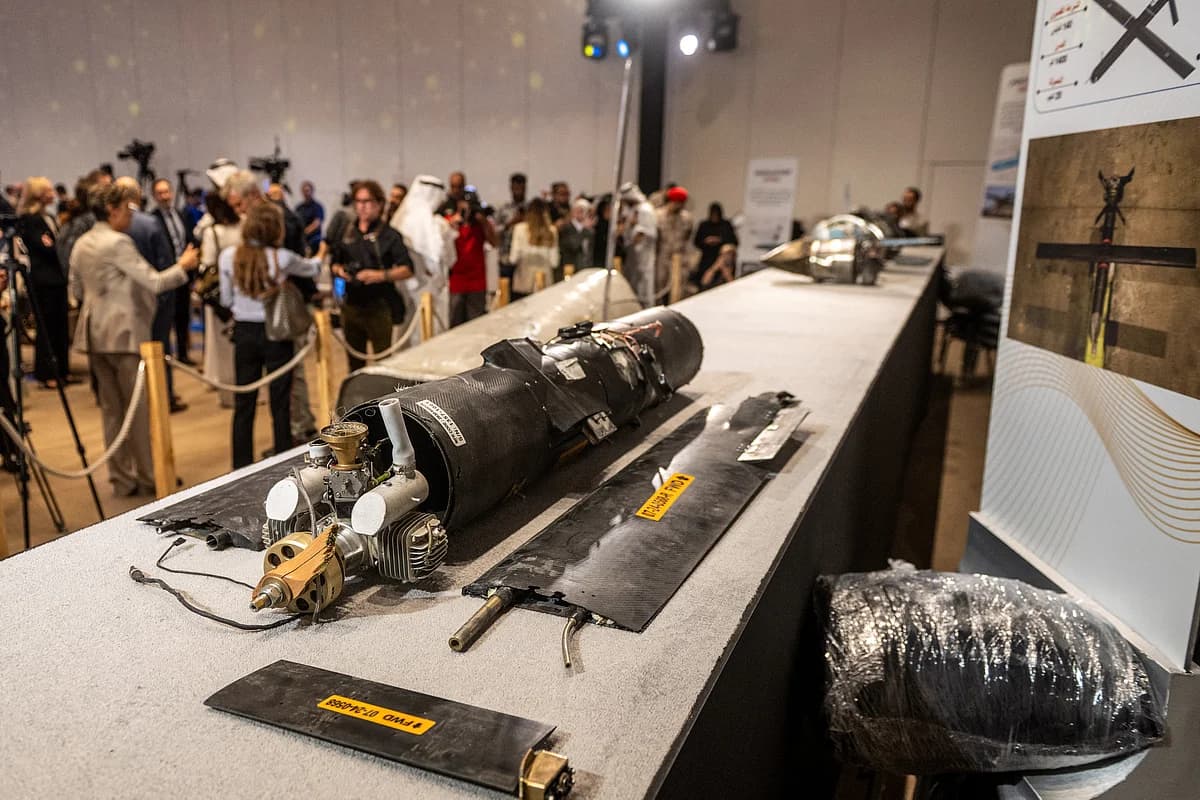
Here's what it means for you.
The ongoing geopolitical tensions in the Gulf region could impact global oil prices and market stability.
Why it matters
The UAE's stance on the ceasefire reflects broader regional security dynamics that affect global trade routes and energy markets.
What happened (in 30 seconds)
- On April 8, 2026, the UAE Ministry of Foreign Affairs issued a statement demanding clarification on a US-brokered ceasefire between the US, Israel, and Iran.
- Iran has launched approximately 2,819 missiles and drones at UAE targets since February 28, 2026, leading to significant infrastructure damage and civilian casualties.
- The UAE's demands include halting Iranian hostilities, reparations for damages, and reopening the vital Strait of Hormuz.
The context you actually need
- Escalating tensions between the US and Iran since 2023 have involved reinstated UN sanctions and military actions, including US-Israeli airstrikes on Iranian targets.
- The UAE has faced direct attacks from Iran, which have disrupted its economy and security, leading to a defensive posture and calls for international accountability.
- The Strait of Hormuz, a crucial maritime chokepoint for global oil shipments, has been affected by Iranian actions, raising concerns over energy security and market stability.
What's really happening
The recent diplomatic developments surrounding the US-brokered ceasefire between the US, Israel, and Iran underscore the complex interplay of regional power dynamics and security concerns. The UAE, having faced direct aggression from Iran, is positioning itself as a key player in advocating for accountability and stability in the region. The UAE's Ministry of Foreign Affairs has articulated a clear set of demands, emphasizing the need for Iran to cease all hostile actions, provide reparations for the damages incurred, and reopen the Strait of Hormuz, which is vital for global oil transportation.
Since February 28, 2026, Iran has launched a staggering 2,819 missiles and drones targeting UAE infrastructure, resulting in 13 deaths and 224 injuries. The UAE's military response has been significant, intercepting thousands of projectiles with US-supplied defense systems. This ongoing conflict has not only strained UAE resources but also disrupted its economy, leading to pay cuts and job insecurity for many residents and expatriates in Dubai. The announcement of a ceasefire, albeit temporary, offers a glimmer of hope for economic recovery, but the UAE's insistence on Iranian accountability suggests that the path to lasting peace remains fraught with challenges.
The UAE's demands for reparations and a halt to Iranian hostilities reflect a broader strategy to enhance its regional leverage while maintaining its non-belligerent stance. This diplomatic approach aims to position the UAE as a mediator in the conflict, potentially increasing its influence in future negotiations. However, the fragile nature of the ceasefire, evidenced by continued Iranian missile launches even after the announcement, raises questions about the effectiveness of this diplomatic effort.
As the UAE navigates this complex landscape, the implications extend beyond its borders. The stability of the Strait of Hormuz directly impacts global oil prices, and any disruption in this critical shipping lane can have cascading effects on international markets. The UAE's proactive stance in demanding accountability from Iran may serve to rally support from other Gulf Cooperation Council (GCC) states, who are also wary of Iranian aggression.
In summary, the UAE's response to the ceasefire announcement highlights the intricate balance of power in the region, where economic interests, security concerns, and diplomatic efforts intersect.
Who feels it first (and how)
- Expatriates and residents in Dubai: Facing financial strain due to job insecurity and pay cuts.
- Local businesses: Experiencing disruptions and reduced consumer spending amid the conflict.
- Energy sector stakeholders: Monitoring the situation closely as it impacts oil prices and supply chains.
- GCC member states: Evaluating their own security and economic strategies in light of UAE's demands and Iranian actions.
What to watch next
- Iran's compliance with ceasefire terms: Monitoring whether Iran halts attacks and reopens the Strait of Hormuz will be crucial for regional stability.
- Global oil prices: Watch for fluctuations in oil prices as the situation evolves, particularly if the Strait of Hormuz remains closed.
- UAE's diplomatic engagements: Observe how the UAE navigates its role as a mediator and its potential influence on broader GCC strategies.
The UAE has faced significant missile and drone attacks from Iran since February 2026.
The UAE will continue to demand accountability from Iran while seeking to stabilize its economy amid ongoing tensions.
The long-term effectiveness of the ceasefire and whether it will lead to a permanent resolution of hostilities.
Frequently Asked Questions
- Why it matters?
- The UAE's stance on the ceasefire reflects broader regional security dynamics that affect global trade routes and energy markets.
- What happened (in 30 seconds)?
- On April 8, 2026, the UAE Ministry of Foreign Affairs issued a statement demanding clarification on a US-brokered ceasefire between the US, Israel, and Iran. Iran has launched approximately 2,819 missiles and drones at UAE targets since February 28, 2026, leading to significant infrastructure damage and civilian casualties. The UAE's demands include halting Iranian hostilities, reparations for damages, and reopening the vital Strait of Hormuz.
- What's really happening?
- The recent diplomatic developments surrounding the US-brokered ceasefire between the US, Israel, and Iran underscore the complex interplay of regional power dynamics and security concerns. The UAE, having faced direct aggression from Iran, is positioning itself as a key player in advocating for accountability and stability in the region. The UAE's Ministry of Foreign Affairs has articulated a clear set of demands, emphasizing the need for Iran to cease all hostile actions, provide reparations fo
- Who feels it first (and how)?
- Expatriates and residents in Dubai: Facing financial strain due to job insecurity and pay cuts. Local businesses: Experiencing disruptions and reduced consumer spending amid the conflict. Energy sector stakeholders: Monitoring the situation closely as it impacts oil prices and supply chains. GCC member states: Evaluating their own security and economic strategies in light of UAE's demands and Iranian actions.
- What to watch next?
- Iran's compliance with ceasefire terms: Monitoring whether Iran halts attacks and reopens the Strait of Hormuz will be crucial for regional stability. Global oil prices: Watch for fluctuations in oil prices as the situation evolves, particularly if the Strait of Hormuz remains closed. UAE's diplomatic engagements: Observe how the UAE navigates its role as a mediator and its potential influence on broader GCC strategies.
Pan-Arab news coverage spanning politics, business, sports, and regional affairs.
"Asharq Al-Awsat reflects a broad Arab editorial perspective with strong attention to regional geopolitics."
— A47 Editor
الإمارات تطالب بضمانات لالتزام إيران بالهدنة
The United Arab Emirates has expressed its close monitoring of U.S. President Donald Trump's announcement regarding a temporary ceasefire between Washington and Tehran for a duration of two weeks. This development highlights the ongoing tensions in t...
Arabic-language coverage of political affairs and current events.
"Okaz political coverage typically follows mainstream Saudi framing on national and regional affairs."
— A47 Editor
الإمارات تطالب بموقف حازم تجاه إيران وإلزامها بتعويض الخسائر
The United Arab Emirates has called for a firm stance against Iran, demanding full compensation for damages incurred by its institutions and facilities. This request follows the recent announcement by U.S. President Donald Trump regarding a two-week ...
Breaking news and analysis from the UAE and Gulf region.
"Khaleej Times is a long-running UAE publication with broad regional coverage."
— A47 Editor
UAE seeks clarification on truce, says Iran must commit to halting 'terrorist' attacks
The United Arab Emirates (UAE) has sought clarification on a recent ceasefire agreement between the United States and Iran, emphasizing that Iran must commit to halting what it describes as 'terrorist' attacks. This request comes amid ongoing militar...
A curated Gulf News feed featuring major stories across news, business, opinion, and lifestyle.
"Gulf News is a major UAE newspaper whose featured stories feed reflects a broad editorial mix shaped for a Gulf audience."
— A47 Editor
UAE affirms importance of Iran’s adherence to cessation of attacks
The United Arab Emirates (UAE) has emphasized the importance of Iran adhering to a cessation of attacks amid ongoing military tensions in the Gulf region. This statement follows reports of Iranian missile strikes and drone attacks that have continued...
UAE-based newspaper covering Gulf politics, society, and international developments.
"Gulf News is one of the UAE’s most prominent English-language publications."
— A47 Editor
UAE affirms importance of Iran’s adherence to cessation of attacks
The United Arab Emirates (UAE) has emphasized the importance of Iran adhering to a cessation of attacks amid ongoing military tensions in the Gulf region. This statement follows reports of Iranian missile strikes and drone attacks that have continued...
Macro commentary, policy analysis, growth/inflation themes, and global outlooks.
"Contextual macro coverage that complements day-to-day market headlines."
— A47 Editor
UAE seeks clarification on U.S.-Iran ceasefire terms
The United Arab Emirates (UAE) is seeking clarification on the terms of a recently announced two-week ceasefire agreement between the United States and Iran, which aims to halt military actions and facilitate negotiations. This ceasefire follows a pe...
Arabic-language digital news outlet covering UAE, regional, and international developments with broad general-news coverage.
"Al Ain News coverage typically blends UAE-focused reporting with wider Arab regional and international news."
— A47 Editor
الإمارات تتابع عن كثب وقف إطلاق النار وتؤكد ضرورة التزام إيران بإيقاف الاعتداءات الإرهابية
The United Arab Emirates is closely monitoring the announcement by U.S. President Donald Trump regarding a two-week ceasefire between the United States and Iran. The UAE has expressed its commitment to ensuring that Iran adheres to the cessation of t...