
Iran Issues Threats to Saudi and UAE Energy Infrastructure Amid US Ultimatum
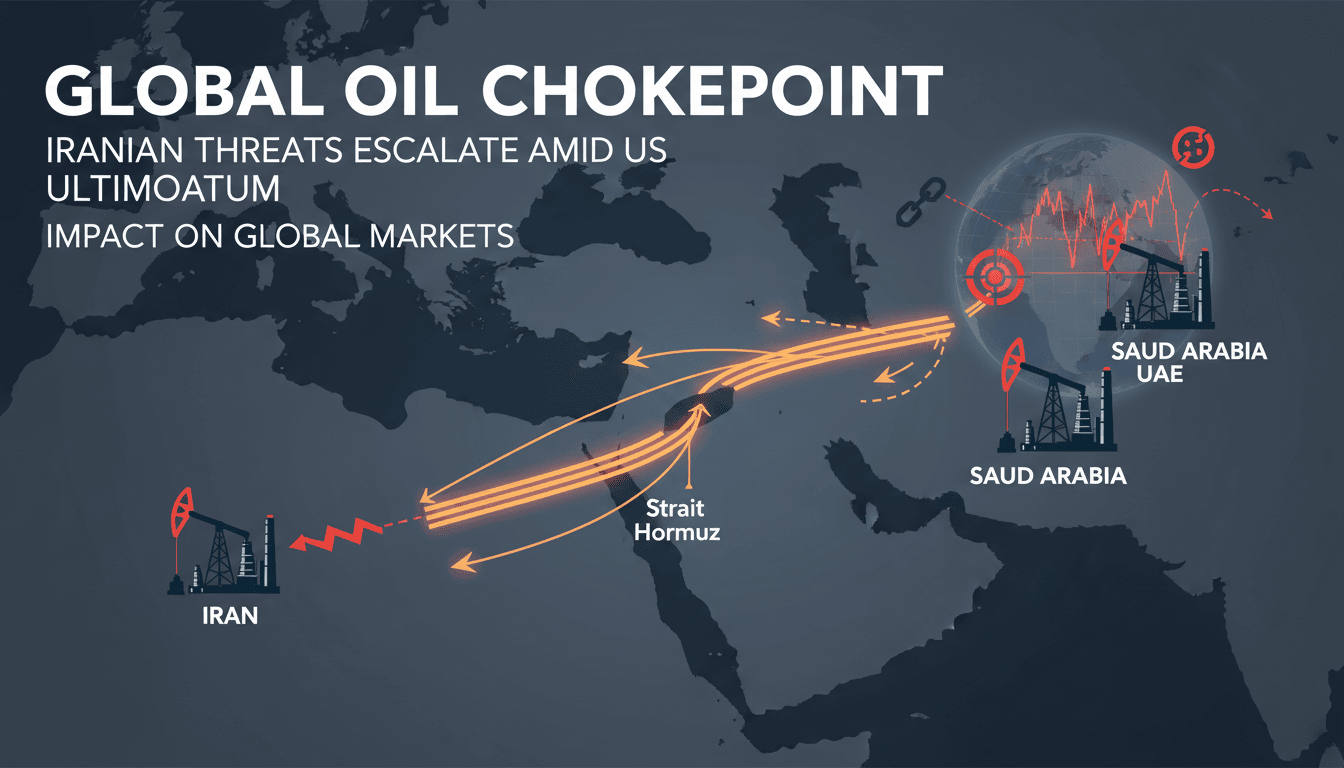
Here's what it means for you.
If you rely on oil markets or have investments in the Gulf region, this escalating conflict could impact prices and stability.
Why it matters
This situation threatens the stability of global oil supplies, given that 20% of the world's oil transits through the Strait of Hormuz.
What happened (in 30 seconds)
- Iran issued a warning on April 7, 2026, threatening to target Saudi and UAE energy infrastructure if attacked.
- The U.S. set an ultimatum demanding the reopening of the Strait of Hormuz, threatening severe consequences for Iran.
- A ceasefire was brokered by Pakistan, halting immediate military actions and setting the stage for negotiations.
The context you actually need
- The conflict escalated after U.S.-Israeli airstrikes on Iranian military targets on February 28, 2026, which led to Iranian retaliation and a blockade of the Strait of Hormuz.
- Oil prices surged due to fears of disruption, with Brent crude climbing to over $111 per barrel amid military threats and strikes.
- Diplomatic efforts have stalled, resulting in heightened military tensions and mutual threats to civilian infrastructure.
What's really happening
The geopolitical landscape in the Persian Gulf has become increasingly volatile, primarily due to the ongoing conflict between Iran and a coalition of U.S. and Israeli forces. The U.S. has taken a hardline stance, issuing an ultimatum to Iran that demands the reopening of the Strait of Hormuz by a specific deadline. This strait is a critical chokepoint for global oil transit, with approximately 20% of the world's oil supply passing through it. The Iranian government, feeling cornered, has responded with threats to target energy infrastructure in Saudi Arabia and the UAE, both key U.S. allies in the region.
This tit-for-tat escalation has resulted in a series of military actions, including U.S.-Israeli strikes on Iranian assets and Iranian missile launches toward Israel and Gulf states. The Iranian leadership has framed its threats as a necessary defense against perceived aggression, urging civilians to form human chains around potential targets to deter attacks. This strategy not only aims to protect their infrastructure but also to rally domestic and regional support against foreign intervention.
The situation is further complicated by economic factors. The spike in oil prices due to these tensions has immediate ramifications for economies dependent on oil imports, including those in Europe and Asia. As prices rise, consumers and businesses alike feel the pinch, which could lead to broader economic instability. Furthermore, the potential for military conflict raises the stakes for global energy markets, as any disruption in supply could lead to significant price fluctuations.
The recent ceasefire, brokered by Pakistan, may provide a temporary reprieve, but it does not resolve the underlying tensions. Negotiations set for April 10 will be critical in determining whether a more lasting peace can be achieved or if the cycle of escalation will continue. The stakes are high, not just for the countries directly involved but for global markets and energy security.
Who feels it first (and how)
- Oil traders: Immediate fluctuations in oil prices will affect trading strategies and profits.
- Residents of Dubai and Gulf states: Emergency alerts and military actions lead to disruptions in daily life and economic activities.
- Investors in energy sectors: Increased volatility in oil prices could impact stock valuations and investment strategies.
What to watch next
- Ceasefire negotiations: The outcomes of talks scheduled for April 10 will determine the immediate future of military tensions in the region.
- Oil price movements: Watch for fluctuations in Brent crude prices as the situation evolves, impacting global markets.
- Military actions: Any further strikes or escalations from either side could lead to significant shifts in regional stability and energy supply.
The Strait of Hormuz is a critical transit route for global oil supplies.
Continued military tensions and potential for further strikes if negotiations fail.
The long-term impact on global oil prices and economic stability in the region.
Frequently Asked Questions
- Why it matters?
- This situation threatens the stability of global oil supplies, given that 20% of the world's oil transits through the Strait of Hormuz.
- What happened (in 30 seconds)?
- Iran issued a warning on April 7, 2026, threatening to target Saudi and UAE energy infrastructure if attacked. The U.S. set an ultimatum demanding the reopening of the Strait of Hormuz, threatening severe consequences for Iran. A ceasefire was brokered by Pakistan, halting immediate military actions and setting the stage for negotiations.
- What's really happening?
- The geopolitical landscape in the Persian Gulf has become increasingly volatile, primarily due to the ongoing conflict between Iran and a coalition of U.S. and Israeli forces. The U.S. has taken a hardline stance, issuing an ultimatum to Iran that demands the reopening of the Strait of Hormuz by a specific deadline. This strait is a critical chokepoint for global oil transit, with approximately 20% of the world's oil supply passing through it. The Iranian government, feeling cornered, has respon
- Who feels it first (and how)?
- Oil traders: Immediate fluctuations in oil prices will affect trading strategies and profits. Residents of Dubai and Gulf states: Emergency alerts and military actions lead to disruptions in daily life and economic activities. Investors in energy sectors: Increased volatility in oil prices could impact stock valuations and investment strategies.
- What to watch next?
- Ceasefire negotiations: The outcomes of talks scheduled for April 10 will determine the immediate future of military tensions in the region. Oil price movements: Watch for fluctuations in Brent crude prices as the situation evolves, impacting global markets. Military actions: Any further strikes or escalations from either side could lead to significant shifts in regional stability and energy supply.
Global news coverage with extensive reporting on Middle Eastern conflicts and geopolitics.
"Al Jazeera is a Qatar-based broadcaster known for wide regional coverage and alternative perspectives."
— A47 Editor
Iran warns region and beyond as tension builds ahead of US ultimatum
Tensions in the Middle East have escalated as U.S. President Donald Trump issued a stark ultimatum to Iran, threatening military action against critical infrastructure, including power plants and bridges, if Tehran does not comply with demands regard...
Comprehensive coverage of Middle Eastern and global issues.
"Al Jazeera is a prominent voice from the Global South, especially the Middle East, with an emphasis on underreported stories."
— A47 Editor
Iran warns region and beyond as tension builds ahead of US ultimatum
Tensions are escalating in the Middle East as U.S. President Donald Trump has issued a stark ultimatum to Iran, threatening military action against critical infrastructure, including bridges and power plants, if a deal is not reached by the impending...
Regional coverage and analysis focused on politics, diplomacy, and business across the Middle East.
"Al-Monitor is known for analytical reporting on Middle East politics and policy developments."
— A47 Editor
The consequences of bombing Iran's power stations
U.S. President Donald Trump has escalated tensions with Iran by threatening to bomb critical infrastructure, including power stations and bridges, if a deal is not reached regarding the reopening of the Strait of Hormuz. This ultimatum comes amid ris...
Comprehensive coverage of Middle Eastern and global issues.
"Al Jazeera is a prominent voice from the Global South, especially the Middle East, with an emphasis on underreported stories."
— A47 Editor
Trump’s threat to strike Iran’s power plants looms
U.S. President Donald Trump has issued a stark ultimatum to Iran, declaring that if a deal is not reached by Tuesday, he will take military action against critical infrastructure, including power plants. This announcement follows a series of escalati...
Global news coverage with extensive reporting on Middle Eastern conflicts and geopolitics.
"Al Jazeera is a Qatar-based broadcaster known for wide regional coverage and alternative perspectives."
— A47 Editor
Trump’s threat to strike Iran’s power plants looms
U.S. President Donald Trump has issued a stark ultimatum to Iran, declaring that if a deal is not reached by Tuesday, he will take military action against critical infrastructure, including power plants. This announcement follows a series of escalati...
Policy, elections, and government reporting.
"NPR is an American public media organization known for thoughtful reporting and a slightly left-leaning editorial tone."
— A47 Editor
Trump reiterates threats to bomb Iran's power plants and bridges
President Trump has reiterated his threats to bomb Iran's civilian infrastructure, specifically targeting power plants and bridges, unless a deal is reached to reopen the Strait of Hormuz by a set deadline. This ultimatum follows a series of escalate...
International stories from NPR’s global desk.
"NPR is an American public media organization known for thoughtful reporting and a slightly left-leaning editorial tone."
— A47 Editor
Trump reiterates threats to bomb Iran's power plants and bridges
President Donald Trump has reiterated threats to bomb Iran's critical infrastructure, including power plants and bridges, if the country does not reopen the strategic Strait of Hormuz within 48 hours. This ultimatum comes amid escalating tensions in ...
UAE-based English-language newspaper covering regional politics, economics, and global affairs.
"The National reflects Emirati policy perspectives while maintaining international editorial standards."
— A47 Editor
Trump renews threats to bomb Iranian power plants and bridges
President Donald Trump has renewed threats against Iran, demanding the reopening of the strategic Strait of Hormuz within 48 hours or face severe military action targeting critical infrastructure, including power plants and bridges. This ultimatum fo...