
Iran Closes Strait of Hormuz Following Israeli Strikes on Lebanon Amid Ceasefire Dispute
Here's what it means for you.
Expect increased volatility in global oil markets, impacting fuel prices and shipping costs.
Why it matters
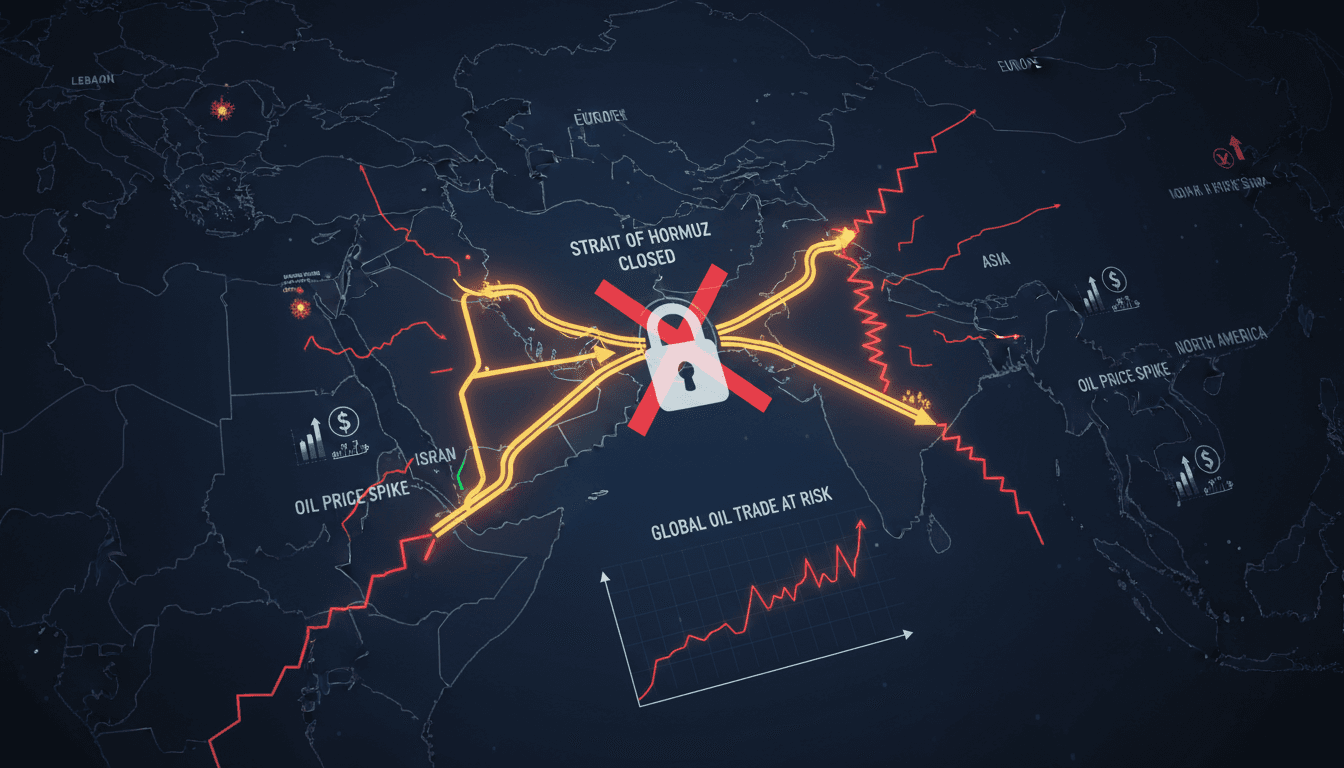
The closure of the Strait of Hormuz, a critical chokepoint for global oil trade, threatens supply chains and commodity prices worldwide.
What happened (in 30 seconds)
- Iran closed the Strait of Hormuz on April 8, 2026, citing Israeli airstrikes on Lebanon as a violation of a US-brokered ceasefire.
- The ceasefire agreement, announced just a day prior, aimed to halt US attacks on Iranian infrastructure and ensure safe passage through the strait.
- US officials, including President Trump, maintained that the conflict in Lebanon was separate from the ceasefire terms, leading to escalating tensions.
The context you actually need
- The Strait of Hormuz is vital for global oil trade, carrying approximately 20% of the world's oil supply. Its closure could lead to significant price increases.
- The ceasefire was mediated by Pakistan and intended to reduce hostilities between the US and Iran, but ambiguity over its scope has led to disputes.
- Israel's ongoing conflict with Hezbollah complicates the situation, as Iran insists on the inclusion of its allies in any ceasefire discussions.
What's really happening
On April 7, 2026, President Trump announced a two-week ceasefire with Iran, aiming to halt planned US strikes and facilitate the reopening of the Strait of Hormuz. This agreement was seen as a diplomatic breakthrough, especially given the escalating tensions that had characterized US-Iran relations in recent months. The ceasefire was mediated by Pakistan, with Prime Minister Shehbaz Sharif asserting that it included Lebanon, where Israel was engaged in active military operations against Hezbollah.
However, just hours after the announcement, Israel launched a significant airstrike on Lebanon, resulting in at least 112 fatalities and hundreds of injuries. This attack was one of the deadliest in the ongoing conflict, prompting Iran to declare the ceasefire violated. Iranian officials, including Foreign Minister Abbas Araghchi, responded by demanding an immediate cessation of Israeli attacks and released a 10-point plan that contradicted the US terms, asserting that any ceasefire must include Lebanon and address Iran's nuclear rights.
The closure of the Strait of Hormuz by Iran requires permission from the Islamic Revolutionary Guard Corps (IRGC) for any vessel to pass, with threats of destruction for non-compliance. This move not only escalates tensions in the region but also raises alarms about global oil supply, as the strait is a critical transit route for oil tankers. The White House, however, claimed that the strait remained open and that traffic had increased, suggesting a disconnect between US assertions and Iranian actions.
As the situation unfolds, the implications for global oil markets are profound. Oil prices surged in response to fears of supply disruptions, reversing earlier gains made during the ceasefire announcement. The volatility in the market is likely to affect fuel prices worldwide, with countries heavily reliant on oil imports, such as those in the UAE, facing immediate impacts. The Iranian navy's control over the strait adds another layer of complexity, as shipping companies may need to navigate increased risks and potential costs associated with rerouting.
Who feels it first (and how)
- Oil traders and investors: Increased volatility in oil prices will directly impact trading strategies and investment decisions.
- Shipping companies: Higher insurance costs and potential rerouting will affect operational expenses and logistics.
- Consumers in the UAE: Residents may experience elevated fuel prices and increased costs for imported goods due to disrupted shipping routes.
- Global markets: Investors will monitor the situation closely, as geopolitical tensions can lead to broader market fluctuations.
What to watch next
- Oil price fluctuations: Monitor Brent crude prices as they react to ongoing tensions and potential supply disruptions.
- Statements from US and Iranian officials: Future diplomatic communications will indicate whether further escalation or de-escalation is likely.
- Military movements in the region: Increased military activity by Israel or Iran could signal a shift towards more direct conflict, impacting global stability.
The Strait of Hormuz is critical for global oil trade; its closure will impact oil prices.
Continued tensions between Iran and Israel will lead to further military actions and geopolitical instability.
The long-term viability of the ceasefire agreement and its implications for US-Iran relations remain uncertain.
Frequently Asked Questions
- Why it matters?
- The closure of the Strait of Hormuz, a critical chokepoint for global oil trade, threatens supply chains and commodity prices worldwide.
- What happened (in 30 seconds)?
- Iran closed the Strait of Hormuz on April 8, 2026, citing Israeli airstrikes on Lebanon as a violation of a US-brokered ceasefire. The ceasefire agreement, announced just a day prior, aimed to halt US attacks on Iranian infrastructure and ensure safe passage through the strait. US officials, including President Trump, maintained that the conflict in Lebanon was separate from the ceasefire terms, leading to escalating tensions.
- What's really happening?
- On April 7, 2026, President Trump announced a two-week ceasefire with Iran, aiming to halt planned US strikes and facilitate the reopening of the Strait of Hormuz. This agreement was seen as a diplomatic breakthrough, especially given the escalating tensions that had characterized US-Iran relations in recent months. The ceasefire was mediated by Pakistan, with Prime Minister Shehbaz Sharif asserting that it included Lebanon, where Israel was engaged in active military operations against Hezbolla
- Who feels it first (and how)?
- Oil traders and investors: Increased volatility in oil prices will directly impact trading strategies and investment decisions. Shipping companies: Higher insurance costs and potential rerouting will affect operational expenses and logistics. Consumers in the UAE: Residents may experience elevated fuel prices and increased costs for imported goods due to disrupted shipping routes. Global markets: Investors will monitor the situation closely, as geopolitical tensions can lead to broader mar
- What to watch next?
- Oil price fluctuations: Monitor Brent crude prices as they react to ongoing tensions and potential supply disruptions. Statements from US and Iranian officials: Future diplomatic communications will indicate whether further escalation or de-escalation is likely. Military movements in the region: Increased military activity by Israel or Iran could signal a shift towards more direct conflict, impacting global stability.
Business, investment, entrepreneurship, leadership, and innovation.
"Forbes is known for its coverage of business leaders, market trends, and entrepreneurial ventures with a pro-business editorial stance."
— A47 Editor
Trump Says Ceasefire Doesn’t Include Lebanon—After Iran Says It Does, And Closes Strait Of Hormuz
President Donald Trump stated that a recent ceasefire agreement does not extend to Lebanon, contradicting Iran's assertion that it does, while the Iranian navy has restricted passage through the Strait of Hormuz, requiring ships to seek permission.
Capitol Hill news, legislation, and policy insight.
"The Hill specializes in U.S. politics and policy, with a focus on Capitol Hill developments and a reputation for insider reporting."
— A47 Editor
Iran closes Strait of Hormuz over Israeli barrage in Lebanon
Iran has closed the Strait of Hormuz in response to Israeli military actions against Hezbollah in Lebanon, as reported by Iranian state media. This strategic waterway is crucial for global oil transport, with approximately 20% of the world's oil supp...
Global markets, investing, and macroeconomics from a premier financial newsroom.
"Bloomberg is respected for in-depth financial reporting and data-driven analysis."
— A47 Editor
Oil Ships’ Hormuz Transits Blocked After Lebanon Hit, Fars Says
The passage of oil tankers through the Strait of Hormuz has been halted following Israeli attacks on Lebanon, as reported by Iran's Fars news agency. This disruption highlights the ongoing tensions in the region, particularly between Israel and Iran,...