
Israel Launches Extensive Airstrikes on Hezbollah in Lebanon Following US-Iran Ceasefire
Here's what it means for you.
The escalation in Lebanon could impact global oil prices and travel costs, affecting your wallet and investments.
Why it matters
The ongoing conflict threatens to destabilize an already fragile Middle East, influencing global markets and security.
What happened (in 30 seconds)
- Israel launched over 100 airstrikes across Lebanon on April 8, 2026, targeting Hezbollah infrastructure.
- Casualties are significant, with reports indicating between 112 and 254 killed, including civilians.
- Hezbollah paused cross-border attacks following a US-brokered ceasefire that excluded Lebanon, intensifying regional tensions.
The context you actually need
- Hezbollah resumed rocket attacks on northern Israel in early March 2026, escalating tensions amid a broader US-Iran conflict.
- A US-mediated ceasefire took effect on April 7, 2026, but excluded Lebanon, allowing Israel to act against Hezbollah.
- Israel's airstrikes aimed to degrade Hezbollah's military capabilities, following a ground offensive that had already displaced 1.2 million Lebanese.
What's really happening
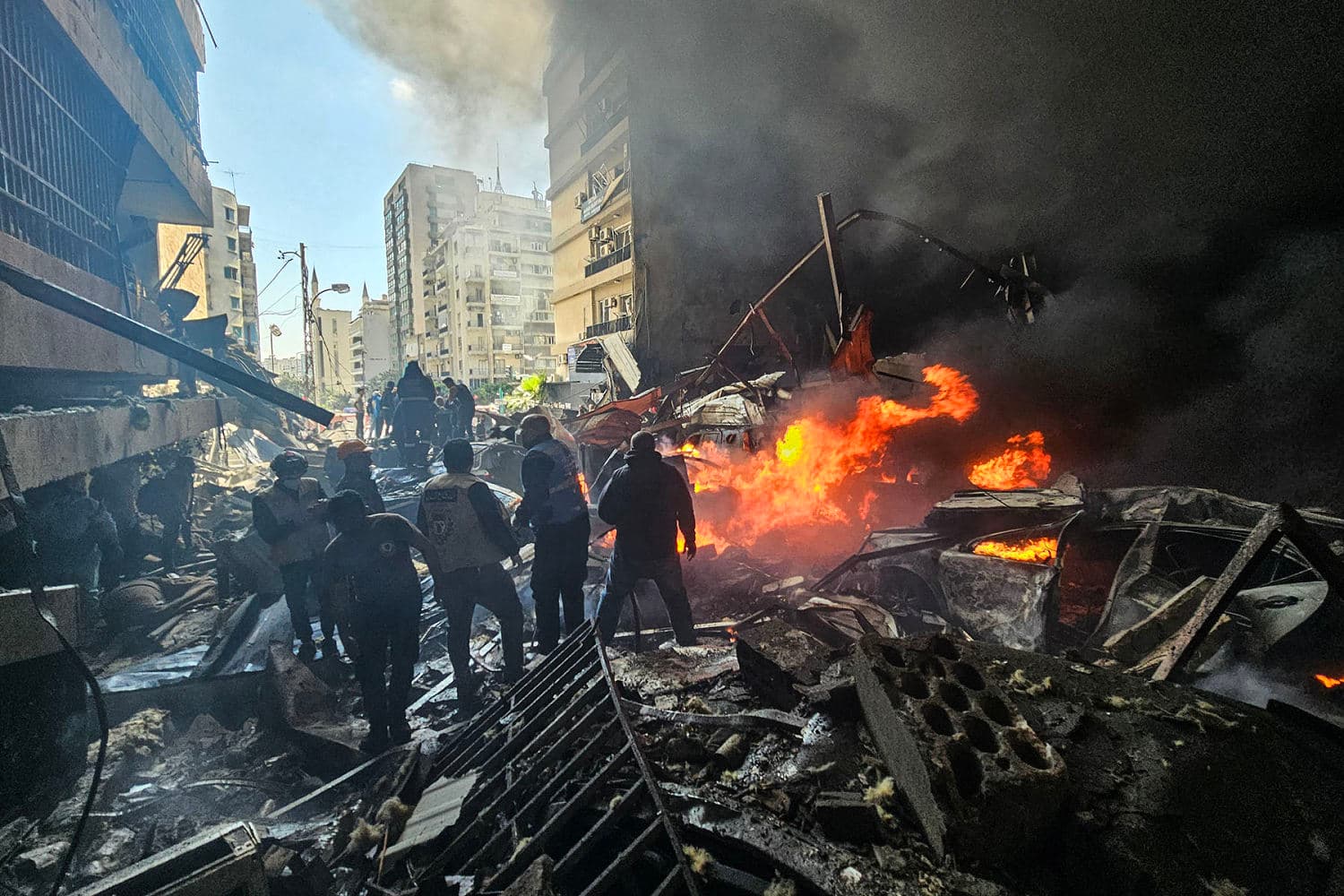
On April 7, 2026, a US-Iran ceasefire was announced, bringing a temporary halt to direct hostilities between Iran and Israel. However, this ceasefire did not extend to Lebanon, where Hezbollah's ongoing aggression against Israel remained a critical concern. Just hours after the ceasefire took effect, Israel executed a series of airstrikes targeting over 100 Hezbollah positions across Lebanon, including command centers and military arrays in Beirut, southern Lebanon, and the Bekaa Valley.
The Israeli Defense Forces (IDF) aimed to deliver a decisive blow to Hezbollah, which they accused of using civilian areas as shields for military operations. The strikes resulted in significant casualties, with Lebanese authorities reporting between 112 and 254 deaths, a stark reminder of the human cost of this conflict. The chaos in civilian areas has raised alarms about the humanitarian implications, as the Lebanese government struggles to manage the fallout from the airstrikes.
Hezbollah's response has been to assure the displaced population of an imminent ceasefire inclusion while claiming proximity to a "historic victory." This rhetoric suggests a potential for further escalation, as Hezbollah may feel compelled to retaliate if it perceives a threat to its standing or territory. Meanwhile, Iran has threatened to reclose the Strait of Hormuz, a critical maritime route for global oil shipments, raising concerns about potential disruptions in oil supply.
The broader implications of this conflict extend beyond the immediate region. With Dubai and Abu Dhabi stock markets losing over $120 billion since late February 2026, the economic ripple effects are being felt across the Gulf. Oil prices have surged by over 5% amid fears of further escalation, impacting global markets and consumer prices. The situation is fluid, and the potential for further military engagement remains high, with Israel likely to continue its operations against Hezbollah as long as the threat persists.
Who feels it first (and how)
- Investors in oil markets: Increased tensions could drive oil prices higher, impacting profits and investment strategies.
- Travelers and expatriates in the UAE: Suspended flights to Lebanon elevate travel costs and complicate logistics for those with ties to the region.
- Lebanese civilians: The ongoing conflict exacerbates an already dire humanitarian situation, with many facing displacement and loss.
What to watch next
- Hezbollah's military response: Any escalation in retaliatory actions could lead to further Israeli airstrikes, impacting regional stability.
- US diplomatic interventions: Watch for any shifts in US policy or mediation efforts that could influence the ceasefire negotiations.
- Oil price fluctuations: Continued instability in the region may lead to volatility in global oil prices, affecting economies worldwide.
Israel's airstrikes have resulted in significant casualties and destruction in Lebanon.
Hezbollah will respond to the airstrikes, potentially escalating the conflict further.
The long-term implications of this conflict on US-Iran relations and regional stability remain uncertain.
Frequently Asked Questions
- Why it matters?
- The ongoing conflict threatens to destabilize an already fragile Middle East, influencing global markets and security.
- What happened (in 30 seconds)?
- Israel launched over 100 airstrikes across Lebanon on April 8, 2026, targeting Hezbollah infrastructure. Casualties are significant, with reports indicating between 112 and 254 killed, including civilians. Hezbollah paused cross-border attacks following a US-brokered ceasefire that excluded Lebanon, intensifying regional tensions.
- What's really happening?
- On April 7, 2026, a US-Iran ceasefire was announced, bringing a temporary halt to direct hostilities between Iran and Israel. However, this ceasefire did not extend to Lebanon, where Hezbollah's ongoing aggression against Israel remained a critical concern. Just hours after the ceasefire took effect, Israel executed a series of airstrikes targeting over 100 Hezbollah positions across Lebanon, including command centers and military arrays in Beirut, southern Lebanon, and the Bekaa Valley. The I
- Who feels it first (and how)?
- Investors in oil markets: Increased tensions could drive oil prices higher, impacting profits and investment strategies. Travelers and expatriates in the UAE: Suspended flights to Lebanon elevate travel costs and complicate logistics for those with ties to the region. Lebanese civilians: The ongoing conflict exacerbates an already dire humanitarian situation, with many facing displacement and loss.
- What to watch next?
- Hezbollah's military response: Any escalation in retaliatory actions could lead to further Israeli airstrikes, impacting regional stability. US diplomatic interventions: Watch for any shifts in US policy or mediation efforts that could influence the ceasefire negotiations. Oil price fluctuations: Continued instability in the region may lead to volatility in global oil prices, affecting economies worldwide.
Top international stories selected by The Guardian editors.
"The Guardian is known for its progressive editorial stance and in-depth analysis."
— A47 Editor
Middle East ceasefire threatens to unravel as Israel assaults Lebanon and Iran blocks oil tankers
The fragile two-week ceasefire in the Iran conflict is at risk of collapse as Israel escalates its military operations in Lebanon, claiming the ceasefire does not apply to the country. Iran, which brokered the truce alongside Pakistan, asserts that L...
Global news coverage with extensive reporting on Middle Eastern conflicts and geopolitics.
"Al Jazeera is a Qatar-based broadcaster known for wide regional coverage and alternative perspectives."
— A47 Editor
Trump backs Israel, says Lebanon a ‘separate skirmish’ after ceasefire
Following recent Israeli airstrikes in central Beirut, President Donald Trump stated that Lebanon is not included in the ceasefire agreement with Iran, describing the conflict in Lebanon as a 'separate skirmish.' This announcement comes amid escalati...
Comprehensive coverage of Middle Eastern and global issues.
"Al Jazeera is a prominent voice from the Global South, especially the Middle East, with an emphasis on underreported stories."
— A47 Editor
Trump backs Israel, says Lebanon a ‘separate skirmish’ after ceasefire
Following recent Israeli airstrikes in central Beirut, President Donald Trump stated that Lebanon is not included in the ceasefire agreement with Iran, describing the conflict in Lebanon as a 'separate skirmish.' This announcement comes amid escalati...
National headlines across the United States including breaking stories and societal issues.
"NBC News is a mainstream media outlet known for comprehensive national and international news coverage with a centrist to slightly left-leaning editorial tone."
— A47 Editor
Israel launches sprawling attacks on Lebanon after Iran ceasefire was declared
Israel's military has launched extensive attacks on Lebanon, marking its most powerful airstrikes against Hezbollah since the conflict escalated, resulting in hundreds of casualties and widespread panic among civilians. This escalation follows a rece...
Comprehensive coverage of global events, politics, and international issues.
"NBC News is a mainstream outlet known for comprehensive national and international coverage with a centrist to slightly left-leaning editorial tone."
— A47 Editor
Israel's sprawling attacks on Lebanon kill more than 180 people
Israel's military has launched extensive airstrikes across Lebanon, resulting in over 180 fatalities, marking one of the deadliest days in the ongoing conflict. This escalation follows a ceasefire agreement brokered by the U.S. and Iran, which aimed ...