
Iran Forms Human Chains Around Power Plants Amid U.S. Airstrike Threat
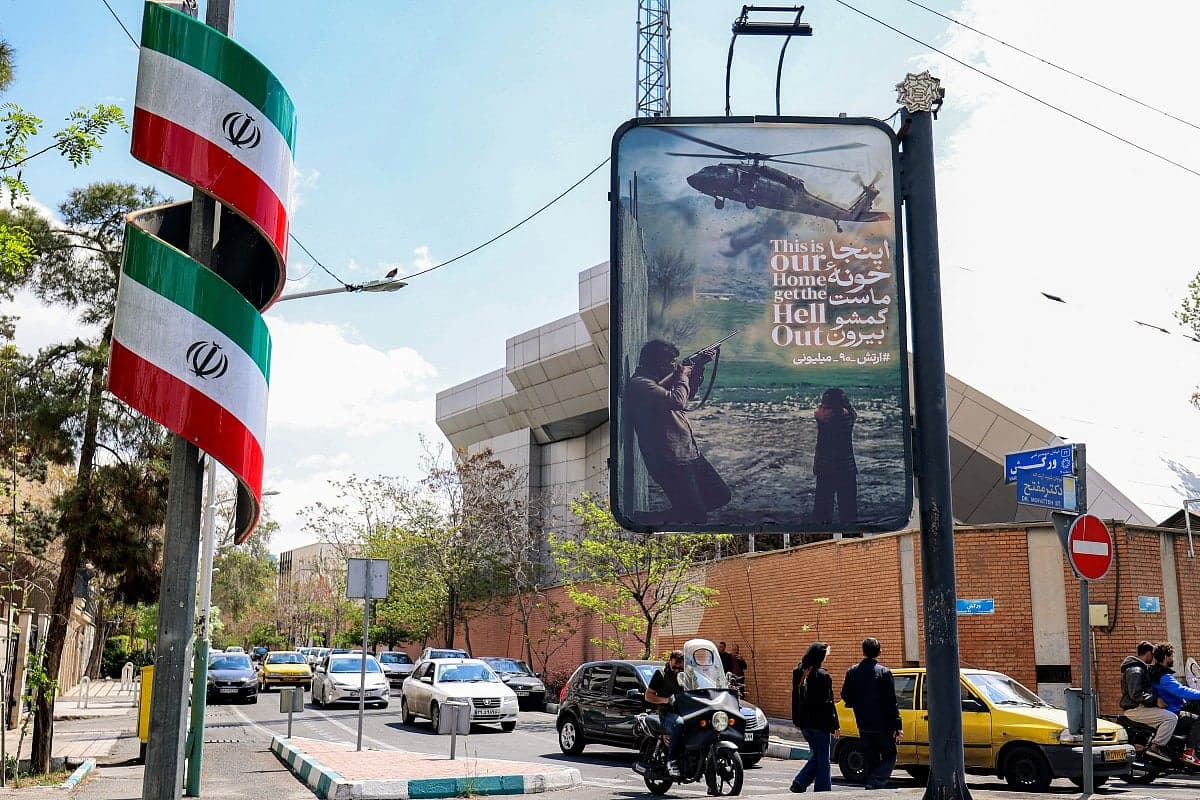
Here's what it means for you.
Rising geopolitical tensions could lead to increased fuel prices and economic instability in your region.
Why it matters
The mobilization of Iranian youth as human shields highlights the escalating conflict's potential to disrupt global oil markets and regional stability.
What happened (in 30 seconds)
- Iran mobilized youth into human chains around power plants on April 7, 2026, in response to U.S. threats of airstrikes.
- U.S. President Donald Trump issued an ultimatum demanding the reopening of the Strait of Hormuz by 8:00 p.m. EDT, or face military action.
- Recent airstrikes have already resulted in civilian casualties, further escalating tensions between Iran, the U.S., and Israel.
The context you actually need
- The conflict began on February 28, 2026, with U.S. and Israeli airstrikes targeting Iranian military assets, leading Iran to blockade the Strait of Hormuz.
- Iran's military response has included missile attacks on Israel and Saudi Arabia, resulting in significant casualties and infrastructure damage.
- International reactions have included condemnation from various countries, highlighting the potential for broader geopolitical ramifications.
What's really happening
The situation in Iran has reached a critical juncture as the U.S.-Israel war against Iran continues to escalate. The mobilization of youth into human chains around power plants is a direct response to the imminent threat posed by U.S. airstrikes, which have already resulted in civilian casualties. This tactic serves multiple purposes: it aims to protect vital infrastructure, rally national sentiment, and demonstrate Iran's resolve against foreign aggression.
The Iranian government, particularly through the Supreme Council of Youth and Adolescents, is framing this mobilization as a defense of national assets. By involving youth, the regime seeks to foster a sense of collective responsibility and patriotism, while also potentially leveraging international sympathy for civilian involvement in conflict. The Revolutionary Guard's call for families to position children at checkpoints further emphasizes the emotional and symbolic weight of this action.
On the international stage, the U.S. has made it clear that it will not back down from its demands regarding the Strait of Hormuz, a critical chokepoint for global oil shipments. The ultimatum issued by President Trump underscores the high stakes involved, as failure to comply could lead to military strikes that would have devastating consequences for Iran's infrastructure and civilian population.
The economic implications of this conflict are already being felt globally. Brent crude oil prices have surged over 50% since the war began, now exceeding $111 per barrel. This spike in oil prices directly affects fuel costs and economic stability in regions reliant on oil imports, including Dubai, where residents are already facing elevated fuel costs and potential disruptions in trade and tourism.
As the situation unfolds, the potential for further military escalation remains high. Iran's rejection of a ceasefire proposal and continued missile strikes indicate a willingness to engage in prolonged conflict, which could lead to further international condemnation and sanctions. The interconnectedness of global markets means that any significant disruption in the Middle East will have ripple effects worldwide, impacting everything from energy prices to trade routes.
Who feels it first (and how)
- Consumers: Increased fuel prices will directly impact household budgets and transportation costs.
- Businesses: Companies reliant on oil and gas may face higher operational costs, affecting profitability.
- Tourism sector: Destinations in the Gulf region may see reduced tourist numbers due to safety concerns and economic instability.
- Investors: Volatility in oil markets could lead to fluctuations in stock prices and investment strategies.
What to watch next
- U.S. military actions: Any escalation or change in U.S. military strategy could significantly impact global oil prices and regional stability.
- Iran's response: How Iran reacts to U.S. threats and whether they escalate their military actions will be critical in shaping the conflict's trajectory.
- International diplomatic efforts: Watch for any attempts at mediation or ceasefire proposals from other nations, which could alter the current dynamics.
The U.S. has issued an ultimatum regarding the Strait of Hormuz, and Iran has mobilized civilians in response.
Continued military escalation between Iran and the U.S. could lead to further civilian casualties and international condemnation.
The long-term effects on global oil markets and regional stability remain uncertain as the conflict evolves.
Frequently Asked Questions
- Why it matters?
- The mobilization of Iranian youth as human shields highlights the escalating conflict's potential to disrupt global oil markets and regional stability.
- What happened (in 30 seconds)?
- Iran mobilized youth into human chains around power plants on April 7, 2026, in response to U.S. threats of airstrikes. U.S. President Donald Trump issued an ultimatum demanding the reopening of the Strait of Hormuz by 8:00 p.m. EDT, or face military action. Recent airstrikes have already resulted in civilian casualties, further escalating tensions between Iran, the U.S., and Israel.
- What's really happening?
- The situation in Iran has reached a critical juncture as the U.S.-Israel war against Iran continues to escalate. The mobilization of youth into human chains around power plants is a direct response to the imminent threat posed by U.S. airstrikes, which have already resulted in civilian casualties. This tactic serves multiple purposes: it aims to protect vital infrastructure, rally national sentiment, and demonstrate Iran's resolve against foreign aggression. The Iranian government, particularly
- Who feels it first (and how)?
- Consumers: Increased fuel prices will directly impact household budgets and transportation costs. Businesses: Companies reliant on oil and gas may face higher operational costs, affecting profitability. Tourism sector: Destinations in the Gulf region may see reduced tourist numbers due to safety concerns and economic instability. Investors: Volatility in oil markets could lead to fluctuations in stock prices and investment strategies.
- What to watch next?
- U.S. military actions: Any escalation or change in U.S. military strategy could significantly impact global oil prices and regional stability. Iran's response: How Iran reacts to U.S. threats and whether they escalate their military actions will be critical in shaping the conflict's trajectory. International diplomatic efforts: Watch for any attempts at mediation or ceasefire proposals from other nations, which could alter the current dynamics.
24/7 international news from a French perspective in multiple languages.
"France 24 is viewed as a globally focused outlet with balanced coverage and a European perspective."
— A47 Editor
‘Remarkable resilience’ in Iran as Trump deadline looms
As the deadline set by U.S. President Donald Trump approaches, ordinary Iranians in Tehran are experiencing heightened tension due to the ultimatum demanding the reopening of the Strait of Hormuz within 48 hours or face severe military action. Despit...
A curated Gulf News feed featuring major stories across news, business, opinion, and lifestyle.
"Gulf News is a major UAE newspaper whose featured stories feed reflects a broad editorial mix shaped for a Gulf audience."
— A47 Editor
Iran calls for human chains around power plants as Trump’s deadline nears
As the deadline set by U.S. President Donald Trump approaches, Iran has called for citizens to form human chains around its power plants in a show of solidarity and defiance against potential military action. Trump has threatened severe consequences ...