
Saudi Arabia Experiences 160% Increase in Rainfall in April 2026
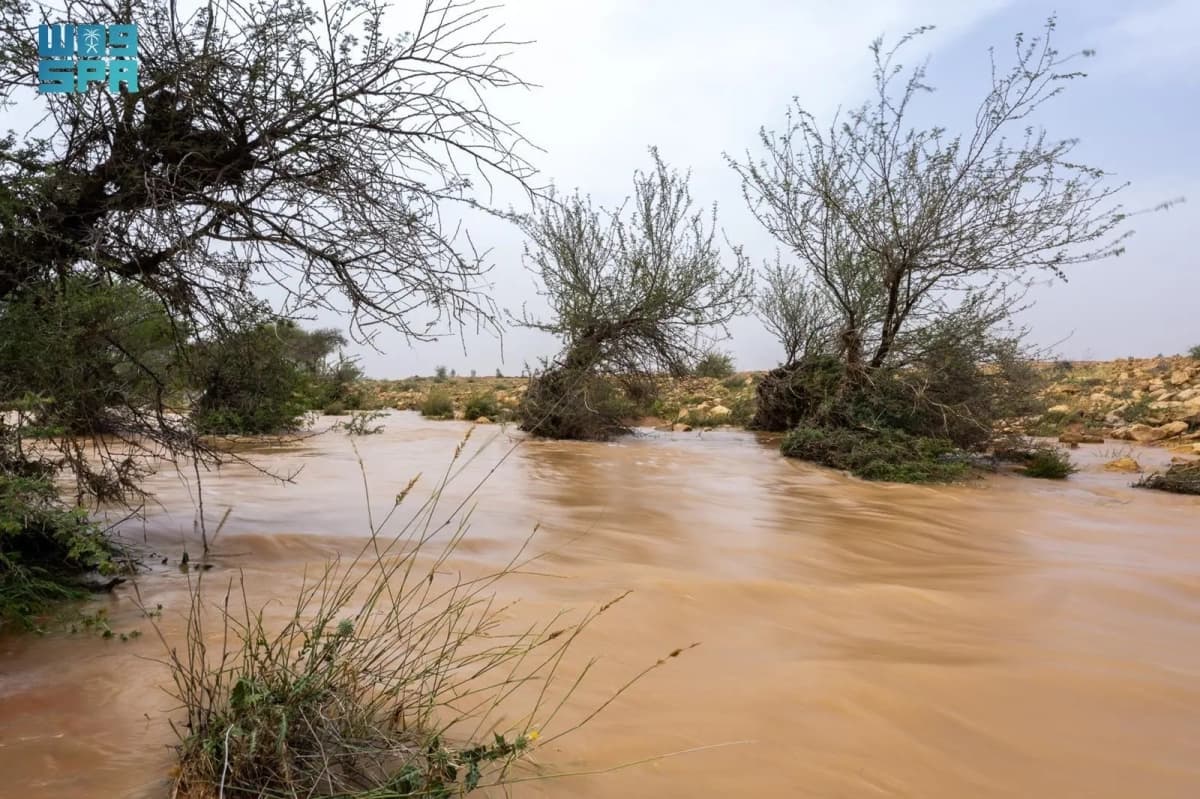
Here's what it means for you.
Increased rainfall in Saudi Arabia could influence regional supply chains and agricultural outputs, impacting markets you engage with.
Why it matters
This significant uptick in rainfall could reshape agricultural productivity and water resource management in the region.
What happened (in 30 seconds)
- National Center for Meteorology reported a 160% increase in rainfall across Saudi Arabia from April 1 to 16, 2026, with a national average of 20.3 mm.
- Southern regions experienced the highest precipitation, including 163 mm in Abha and 59.3 mm in Khamis Mushait.
- Civil defense alerts were issued to avoid flood-prone areas, emphasizing public safety amid localized flooding.
The context you actually need
- Preceding weather patterns: Thunderstorms and convective activity in late March and early April set the stage for this rainfall spike, leading to localized flooding in several regions.
- Historical comparison: The national average of 20.3 mm significantly exceeds the historical average of 7.8 mm, indicating a notable shift in weather patterns.
- Monitoring efforts: The National Center for Meteorology continues to monitor rainfall and issue updates, reflecting a proactive approach to managing weather-related risks.
What's really happening
The recent surge in rainfall across Saudi Arabia is a result of complex meteorological phenomena, including increased convective activity and atmospheric instability. The National Center for Meteorology's data indicates that the rainfall activity intensified particularly between April 11 and 13, leading to red alerts for heavy downpours in key regions such as Riyadh, Eastern Province, Asir, and Najran. This spike in precipitation is not merely an anomaly; it reflects broader climatic trends that could have lasting implications for the region.
The heavy rainfall has been linked to a series of thunderstorms that developed in late March, which were characterized by localized rains, hail, and flash floods. These weather events have raised concerns about infrastructure resilience and public safety, prompting the General Directorate of Civil Defense to issue repeated warnings. The alerts emphasized the need for residents to avoid valleys and flood-prone areas, highlighting the immediate risks associated with such weather patterns.
From an agricultural perspective, the increased rainfall could lead to both opportunities and challenges. On one hand, the additional water could benefit crops and improve soil moisture levels, potentially enhancing agricultural yields. On the other hand, excessive rainfall can lead to soil erosion, crop damage, and challenges in harvesting, particularly in regions that are not equipped to handle such fluctuations in weather.
The economic implications are also significant. Industries reliant on stable weather conditions, such as agriculture and construction, may face disruptions. Supply chains could be affected as transportation routes become compromised due to flooding. Additionally, the increased rainfall may influence water resource management strategies, necessitating adjustments in how water is allocated and used across various sectors.
As the National Center for Meteorology continues to monitor the situation, the data collected will be crucial for understanding long-term trends and preparing for future weather events. The ongoing analysis will help stakeholders across sectors to adapt to changing conditions and mitigate potential risks.
Who feels it first (and how)
- Farmers: Increased rainfall can enhance crop yields but also poses risks of flooding and soil erosion.
- Construction workers: Potential delays in projects due to weather-related disruptions.
- Local businesses: Retail and service sectors may experience fluctuations in customer traffic due to weather conditions.
- Residents in flood-prone areas: Immediate risks from localized flooding and civil defense alerts.
What to watch next
- Future rainfall patterns: Monitoring ongoing weather data will be crucial to understanding if this trend continues and how it affects agricultural cycles.
- Infrastructure resilience: Watch for updates on how local governments plan to address flooding risks and improve infrastructure.
- Market responses: Keep an eye on agricultural markets and supply chains for shifts in pricing or availability due to weather impacts.
The rainfall from April 1 to 16, 2026, significantly exceeded historical averages.
Increased rainfall will impact agricultural productivity and water resource management.
The long-term effects on regional climate patterns and economic stability remain to be fully understood.
Frequently Asked Questions
- Why it matters?
- This significant uptick in rainfall could reshape agricultural productivity and water resource management in the region.
- What happened (in 30 seconds)?
- National Center for Meteorology reported a 160% increase in rainfall across Saudi Arabia from April 1 to 16, 2026, with a national average of 20.3 mm. Southern regions experienced the highest precipitation, including 163 mm in Abha and 59.3 mm in Khamis Mushait. Civil defense alerts were issued to avoid flood-prone areas, emphasizing public safety amid localized flooding.
- What's really happening?
- The recent surge in rainfall across Saudi Arabia is a result of complex meteorological phenomena, including increased convective activity and atmospheric instability. The National Center for Meteorology's data indicates that the rainfall activity intensified particularly between April 11 and 13, leading to red alerts for heavy downpours in key regions such as Riyadh, Eastern Province, Asir, and Najran. This spike in precipitation is not merely an anomaly; it reflects broader climatic trends that
- Who feels it first (and how)?
- Farmers: Increased rainfall can enhance crop yields but also poses risks of flooding and soil erosion. Construction workers: Potential delays in projects due to weather-related disruptions. Local businesses: Retail and service sectors may experience fluctuations in customer traffic due to weather conditions. Residents in flood-prone areas: Immediate risks from localized flooding and civil defense alerts.
- What to watch next?
- Future rainfall patterns: Monitoring ongoing weather data will be crucial to understanding if this trend continues and how it affects agricultural cycles. Infrastructure resilience: Watch for updates on how local governments plan to address flooding risks and improve infrastructure. Market responses: Keep an eye on agricultural markets and supply chains for shifts in pricing or availability due to weather impacts.
English-language reporting on Saudi politics, policy, and society.
"Saudi Gazette reflects mainstream Saudi institutional perspectives."
— A47 Editor
Rainfall rates record 162% higher across Saudi Arabia during first half of April
The National Center for Meteorology (NCM) reported a significant increase in rainfall across Saudi Arabia during the first half of April, with an average of 20.3 millimeters recorded, which is 162% higher than the normal average of 7.8 millimeters. T...
English-language reporting focused on Saudi Arabia and regional affairs.
"Saudi Gazette provides English-language coverage that often aligns with mainstream Saudi news priorities."
— A47 Editor
Rainfall rates record 162% higher across Saudi Arabia during first half of April
The National Center for Meteorology (NCM) reported a significant increase in rainfall across Saudi Arabia during the first half of April, with an average of 20.3 millimeters recorded, which is 162% higher than the normal average of 7.8 millimeters. T...
English-language reporting on Saudi politics, policy, and society.
"Saudi Gazette reflects mainstream Saudi institutional perspectives."
— A47 Editor
NCM forecasts heavy rainfall across Kingdom through Saturday
The National Center for Meteorology (NCM) has forecasted heavy rainfall across most regions of Saudi Arabia, continuing through Saturday. The forecast indicates varying intensities of rain beginning Monday afternoon, with the heaviest expected in Hai...
English-language reporting focused on Saudi Arabia and regional affairs.
"Saudi Gazette provides English-language coverage that often aligns with mainstream Saudi news priorities."
— A47 Editor
NCM forecasts heavy rainfall across Kingdom through Saturday
The National Center for Meteorology (NCM) has forecasted continued rainfall of varying intensity across most regions of Saudi Arabia until Saturday, with the heaviest precipitation expected in areas such as Hail, Qassim, and the Northern Borders. An ...
Arabic-language reporting focused on Saudi domestic affairs and current events.
"Al Watan is a mainstream Saudi newspaper with strong domestic coverage and a broad general-news profile."
— A47 Editor
ارتفاع ملحوظ في معدلات هطول الأمطار بالسعودية خلال النصف الأول من أبريل 2026م
The National Center of Meteorology in Saudi Arabia reported a significant increase in rainfall during the first half of April 2026, with an average of 20.3 mm compared to the normal rate of 7.8 mm, marking an increase of 12.5 mm. The report highlight...