
Strait of Hormuz Shipping Traffic Remains Severely Disrupted Despite Ceasefire Agreement
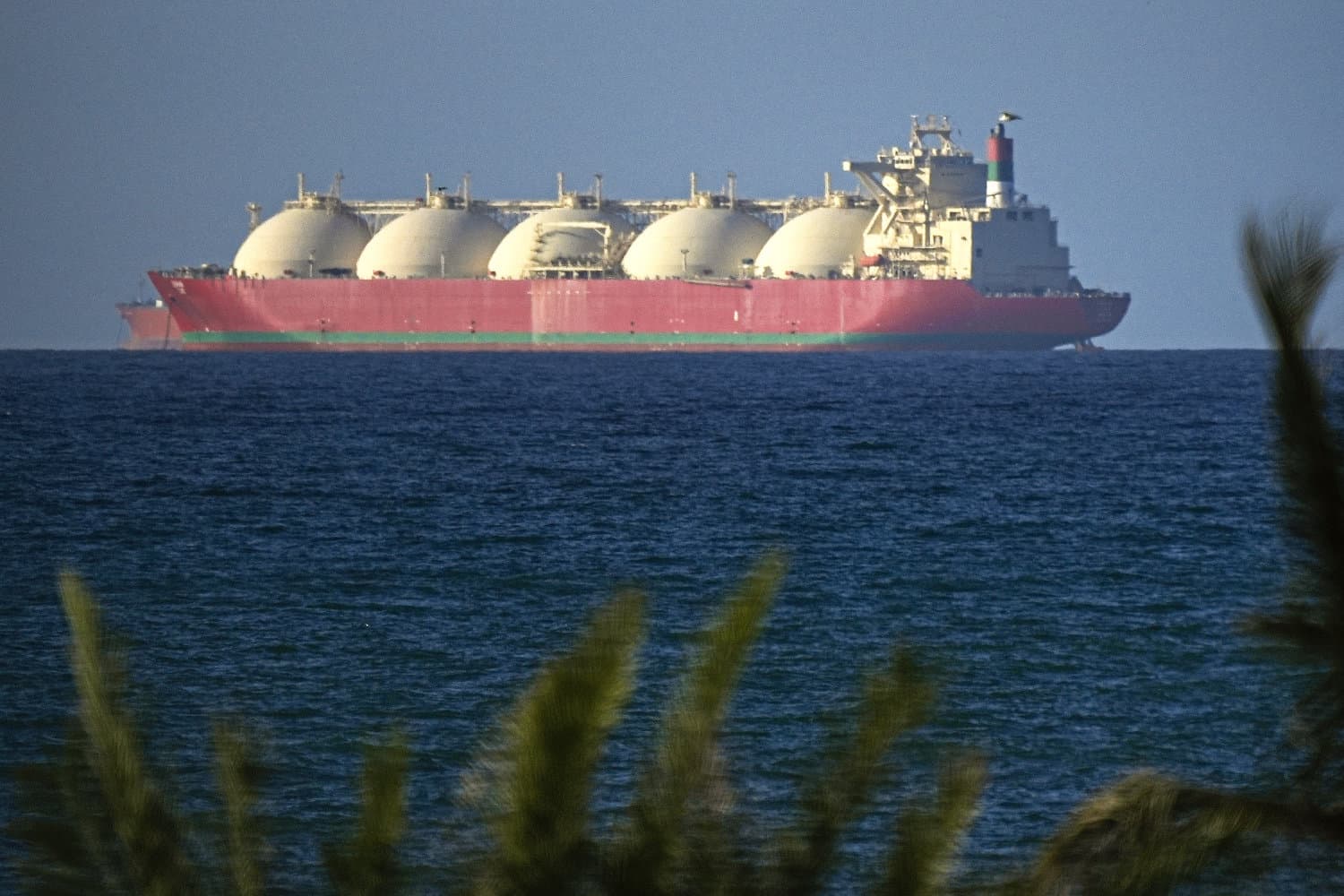
Here's what it means for you.
If you rely on global oil and gas markets, the ongoing disruptions in the Strait of Hormuz could lead to higher fuel prices and supply chain challenges.
Why it matters
The Strait of Hormuz is a critical chokepoint for global energy supplies, and its disruption can significantly impact oil prices and international trade.
What happened (in 30 seconds)
- Shipping traffic has plummeted to fewer than 10 vessels per day, down from over 140, despite a recent ceasefire between the U.S. and Iran.
- Iran has imposed strict conditions for transit, including prior permission and potential fees, creating uncertainty for shipping companies.
- Oil prices have surged above $100 per barrel, reflecting fears of supply shortages and escalating tensions in the region.
The context you actually need
- The 2026 Iran war began on February 28, leading to Iranian blockades that disrupted 20% of global oil and gas flows.
- A ceasefire was announced on April 8, but Iran's conditions for reopening the Strait of Hormuz have kept shipping traffic at a standstill.
- Shipping companies are reacting by suspending services and awaiting clearer guidelines, further complicating the situation.
What's really happening
The Strait of Hormuz is a vital maritime corridor, facilitating the transit of approximately 20% of the world's oil and natural gas. Following the outbreak of the 2026 Iran war, Iranian forces implemented a blockade that involved mining the strait and threatening vessels, particularly those associated with the U.S. and Israel. This blockade resulted in a dramatic drop in shipping traffic, which had averaged over 140 vessels per day prior to the conflict.
On April 8, a ceasefire was brokered, promising a complete reopening of the strait. However, the reality on the ground has proven far more complex. Iran's insistence on requiring prior permission for vessels to transit, coupled with potential fees payable in yuan or cryptocurrency, has created a convoluted and risky environment for shipping companies. The Iranian government has also issued a naval map that designates specific routes, warning of mines outside its territorial waters, which further complicates navigation.
As a result, only 5 to 9 vessels have managed to transit the strait in the initial 24 to 48 hours following the ceasefire, a stark contrast to the pre-war averages. The absence of oil tankers in this mix highlights the acute caution among shipping firms, many of which are suspending operations until clearer protocols are established. This uncertainty is compounded by the fact that the International Maritime Organization has deemed Iranian tolls illegal, adding another layer of complexity to the situation.
The implications of this standstill are profound. With oil prices climbing above $100 per barrel, the economic repercussions are being felt globally. Shipping firms like Maersk and Mitsui O.S.K. Lines are halting services, and countries reliant on oil imports are bracing for increased costs. The UAE's ADNOC has called for an unconditional reopening of the strait, but Iranian officials are emphasizing the need for security protocols, indicating that the situation may remain tense for the foreseeable future.
Who feels it first (and how)
- Shipping companies: Facing operational suspensions and increased costs due to uncertainty.
- Oil importers: Experiencing rising fuel prices as supply fears escalate.
- Consumers: Likely to see higher prices at the pump and increased costs for goods reliant on oil.
- UAE businesses: Strained by disrupted energy trade and heightened operational costs.
What to watch next
- Shipping traffic levels: Monitoring the number of vessels transiting the strait will indicate whether the situation is improving or worsening.
- Oil price fluctuations: Continued increases in oil prices could signal deeper supply issues and impact global markets.
- Geopolitical developments: Any shifts in U.S.-Iran relations or further military actions could dramatically alter the current landscape.
The Strait of Hormuz remains a critical chokepoint for global oil and gas trade.
Shipping traffic will remain low until Iran's conditions for passage are clarified.
The long-term implications of the ceasefire on regional stability and global energy prices.
Frequently Asked Questions
- Why it matters?
- The Strait of Hormuz is a critical chokepoint for global energy supplies, and its disruption can significantly impact oil prices and international trade.
- What happened (in 30 seconds)?
- Shipping traffic has plummeted to fewer than 10 vessels per day, down from over 140, despite a recent ceasefire between the U.S. and Iran. Iran has imposed strict conditions for transit, including prior permission and potential fees, creating uncertainty for shipping companies. Oil prices have surged above $100 per barrel, reflecting fears of supply shortages and escalating tensions in the region.
- What's really happening?
- The Strait of Hormuz is a vital maritime corridor, facilitating the transit of approximately 20% of the world's oil and natural gas. Following the outbreak of the 2026 Iran war, Iranian forces implemented a blockade that involved mining the strait and threatening vessels, particularly those associated with the U.S. and Israel. This blockade resulted in a dramatic drop in shipping traffic, which had averaged over 140 vessels per day prior to the conflict. On April 8, a ceasefire was brokered, pr
- Who feels it first (and how)?
- Shipping companies: Facing operational suspensions and increased costs due to uncertainty. Oil importers: Experiencing rising fuel prices as supply fears escalate. Consumers: Likely to see higher prices at the pump and increased costs for goods reliant on oil. UAE businesses: Strained by disrupted energy trade and heightened operational costs.
- What to watch next?
- Shipping traffic levels: Monitoring the number of vessels transiting the strait will indicate whether the situation is improving or worsening. Oil price fluctuations: Continued increases in oil prices could signal deeper supply issues and impact global markets. Geopolitical developments: Any shifts in U.S.-Iran relations or further military actions could dramatically alter the current landscape.
Regional coverage and analysis focused on politics, diplomacy, and business across the Middle East.
"Al-Monitor is known for analytical reporting on Middle East politics and policy developments."
— A47 Editor
Strait of Hormuz traffic remains becalmed despite ceasefire
Since the ceasefire between the United States and Iran took effect, only 10 vessels have passed through the Strait of Hormuz, highlighting ongoing concerns about the safety of this critical maritime route. The strait, which connects the Gulf to the I...
Corporate leadership, finance, technology, and market trends.
"Fortune covers financial trends, leadership, and innovation with a pragmatic editorial approach."
— A47 Editor
Only five ships crossed the Strait of Hormuz Thursday, far below Iran’s pledge as negotiations begin
On Thursday, only five ships crossed the Strait of Hormuz, significantly below Iran's commitment to facilitate maritime traffic amid ongoing negotiations. This low number of crossings highlights the cautious approach taken by shipping companies in li...
Global markets, investing, and macroeconomics from a premier financial newsroom.
"Bloomberg is respected for in-depth financial reporting and data-driven analysis."
— A47 Editor
Hormuz Traffic Still Blocked as Only Iran-Linked Ships Cross
Ship traffic through the Strait of Hormuz remains severely restricted, with only seven vessels linked to Iran observed navigating the waterway, highlighting the ongoing fragility of the ceasefire between the United States and Iran. This situation per...
National headlines across the United States including breaking stories and societal issues.
"NBC News is a mainstream media outlet known for comprehensive national and international news coverage with a centrist to slightly left-leaning editorial tone."
— A47 Editor
Strait of Hormuz shipping traffic is effectively at a standstill despite Iran ceasefire
Shipping traffic through the Strait of Hormuz has come to a near halt, with only a few vessels navigating the crucial waterway since the announcement of a ceasefire between the U.S. and Iran. This development raises concerns about the effectiveness o...
Comprehensive coverage of global events, politics, and international issues.
"NBC News is a mainstream outlet known for comprehensive national and international coverage with a centrist to slightly left-leaning editorial tone."
— A47 Editor
Strait of Hormuz shipping traffic is effectively at a standstill despite Iran ceasefire
Shipping traffic through the Strait of Hormuz has come to a near halt, with only a few vessels navigating the crucial waterway since the announcement of a ceasefire between the U.S. and Iran. This development raises concerns about the effectiveness o...