
Iran Implements Cryptocurrency Toll for Oil Tankers Post Cease-Fire
Here's what it means for you.
The shift to cryptocurrency tolls in the Strait of Hormuz could reshape global oil pricing and trade dynamics.
Why it matters
This development signifies a strategic move by Iran to circumvent sanctions, potentially impacting global oil markets and cryptocurrency regulations.
What happened (in 30 seconds)
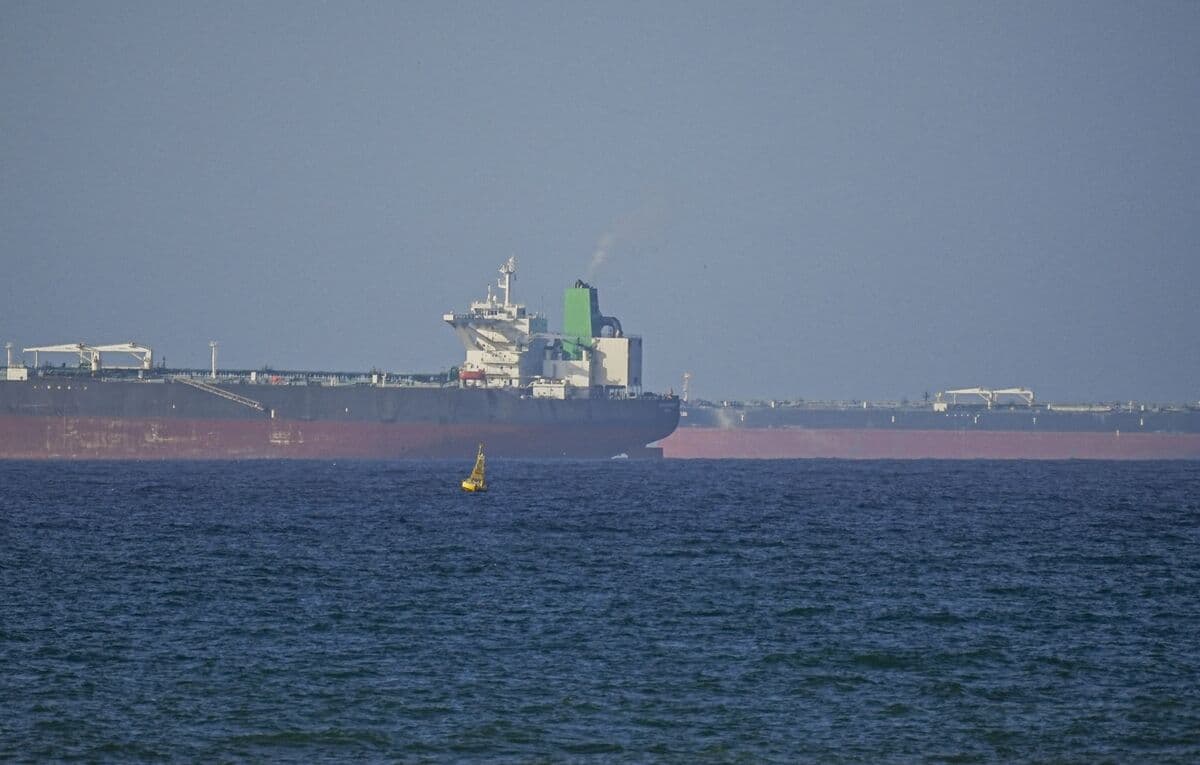
- Iran announced a $1-per-barrel toll on oil tankers in the Strait of Hormuz, payable in cryptocurrency.
- This policy follows a cease-fire agreement on April 8, 2026, amid escalating tensions with the US and Israel.
- The move aims to bolster Iran's $7.8 billion cryptocurrency economy by facilitating untraceable payments.
The context you actually need
- Iran legalized cryptocurrency mining in 2019, using subsidized electricity to generate digital assets for foreign exchange.
- The rial has faced severe devaluation due to hyperinflation and sanctions, increasing reliance on cryptocurrency for economic stability.
- Tensions escalated in early 2026, culminating in a war that disrupted oil flows, leading to a mediated cease-fire and subsequent policy changes.
What's really happening
The integration of cryptocurrency into the toll system for oil tankers in the Strait of Hormuz marks a significant evolution in Iran's economic strategy, particularly in the context of ongoing international sanctions. Following the cease-fire on April 8, 2026, Iran's demand for toll payments in cryptocurrency is a calculated response to the financial pressures exerted by the US and its allies.
Iran's estimated $7.8 billion cryptocurrency economy has been growing since the country legalized mining in 2019, leveraging its abundant, subsidized electricity to produce Bitcoin and other digital currencies. This growth has been fueled by the need to bypass traditional banking systems that are restricted due to sanctions. The Central Bank of Iran and various state entities have increasingly adopted digital currencies, which are seen as a vital tool for maintaining economic activity in the face of crippling financial isolation.
The recent war escalation with the US and Israel, which involved missile exchanges and significant disruptions in oil transport, has further intensified Iran's focus on cryptocurrencies. The toll policy is not merely a revenue-generating mechanism; it represents a strategic pivot towards a more resilient economic framework that can withstand external pressures. By demanding payments in cryptocurrency, Iran aims to create a more opaque financial transaction environment, making it harder for international observers to trace and sanction its oil revenues.
This shift also has implications for global oil markets. The Strait of Hormuz is a critical chokepoint for oil transportation, with approximately 20% of the world's oil passing through it. If Iran successfully implements this toll system, it could set a precedent for other nations under sanctions or facing economic isolation to adopt similar measures. This could lead to a more fragmented global oil market where traditional payment systems are increasingly bypassed in favor of cryptocurrencies.
Moreover, the move raises concerns among Western nations, particularly the US, which may respond with increased scrutiny and potential sanctions targeting Iran's burgeoning crypto sector. The geopolitical ramifications of this policy could extend beyond Iran, affecting relationships with neighboring countries and global trading partners.
Who feels it first (and how)
- Oil traders: They will need to adapt to new payment methods, potentially affecting pricing and contracts.
- Cryptocurrency exchanges: Increased demand for crypto services related to oil transactions could boost their business.
- Sanction enforcement agencies: They will face challenges in tracking and regulating these new payment channels.
- Regional economies: Countries reliant on oil exports may experience volatility in trade dynamics.
What to watch next
- Regulatory responses: Watch for how the US and its allies react to Iran's cryptocurrency tolls, which could lead to new sanctions or regulatory measures.
- Market adaptations: Monitor how oil traders and exchanges adjust to the new payment system and its impact on oil prices.
- Regional stability: Observe the geopolitical landscape in the Middle East, particularly how neighboring countries respond to Iran's economic maneuvers.
Iran's cryptocurrency economy is estimated at $7.8 billion and is growing.
Increased scrutiny from US and international financial regulators on Iran's crypto activities.
The long-term impact on global oil prices and trade dynamics as the toll system is implemented.
Frequently Asked Questions
- Why it matters?
- This development signifies a strategic move by Iran to circumvent sanctions, potentially impacting global oil markets and cryptocurrency regulations.
- What happened (in 30 seconds)?
- Iran announced a $1-per-barrel toll on oil tankers in the Strait of Hormuz, payable in cryptocurrency. This policy follows a cease-fire agreement on April 8, 2026, amid escalating tensions with the US and Israel. The move aims to bolster Iran's $7.8 billion cryptocurrency economy by facilitating untraceable payments.
- What's really happening?
- The integration of cryptocurrency into the toll system for oil tankers in the Strait of Hormuz marks a significant evolution in Iran's economic strategy, particularly in the context of ongoing international sanctions. Following the cease-fire on April 8, 2026, Iran's demand for toll payments in cryptocurrency is a calculated response to the financial pressures exerted by the US and its allies. Iran's estimated $7.8 billion cryptocurrency economy has been growing since the country legalized min
- Who feels it first (and how)?
- Oil traders: They will need to adapt to new payment methods, potentially affecting pricing and contracts. Cryptocurrency exchanges: Increased demand for crypto services related to oil transactions could boost their business. Sanction enforcement agencies: They will face challenges in tracking and regulating these new payment channels. Regional economies: Countries reliant on oil exports may experience volatility in trade dynamics.
- What to watch next?
- Regulatory responses: Watch for how the US and its allies react to Iran's cryptocurrency tolls, which could lead to new sanctions or regulatory measures. Market adaptations: Monitor how oil traders and exchanges adjust to the new payment system and its impact on oil prices. Regional stability: Observe the geopolitical landscape in the Middle East, particularly how neighboring countries respond to Iran's economic maneuvers.
Global markets, investing, and macroeconomics from a premier financial newsroom.
"Bloomberg is respected for in-depth financial reporting and data-driven analysis."
— A47 Editor
Iran’s Sanctions-Busting Crypto Ambitions Grow on Toll Payments
Iran has announced a new toll system requiring oil tankers passing through the strategically significant Strait of Hormuz to pay in cryptocurrency, a move aimed at circumventing international sanctions. This decision comes amid a fragile ceasefire wi...
Markets desk coverage, trading insights, and investor updates.
"WSJ’s markets reporting provides in-depth analysis and context for investors."
— A47 Editor
Iran’s $7.8 Billion Crypto Economy Finds New Way to Grow After Cease-Fire
Iran has mandated that oil tankers passing through the Strait of Hormuz pay a toll in cryptocurrency, a move that underscores the country's growing reliance on digital currencies amid ongoing geopolitical tensions. This requirement comes during a fra...
Capitol Hill news, legislation, and policy insight.
"The Hill specializes in U.S. politics and policy, with a focus on Capitol Hill developments and a reputation for insider reporting."
— A47 Editor
Former JAG officer: Strait of Hormuz toll would be 'illegal'
A former judge advocate general (JAG) officer has declared Iran's newly proposed tax on oil-carrying ships traversing the Strait of Hormuz as 'illegal.' This tax, set at the cryptocurrency equivalent of $1 per barrel of oil, coincides with a two-week...