
Tesco PLC Issues Profit Warning Amid Iran War Uncertainty
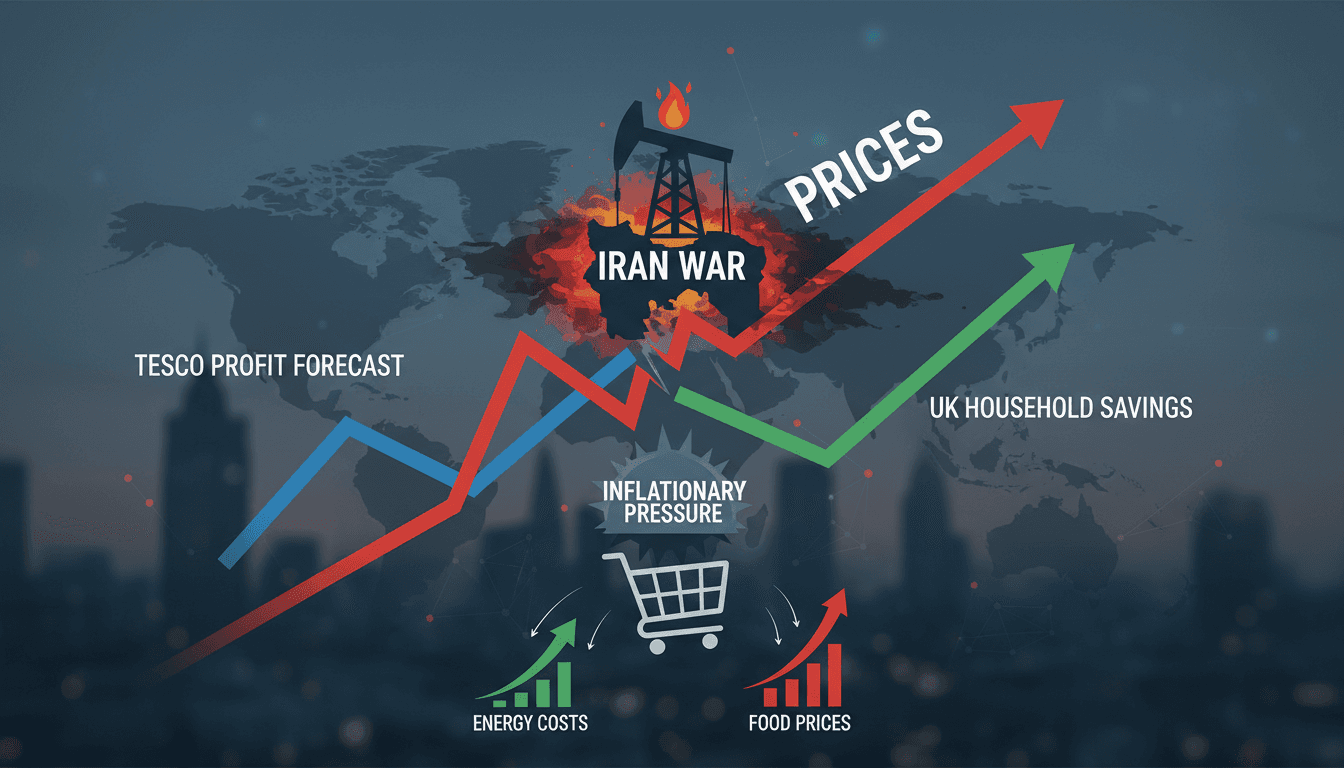
Here's what it means for you.
If you're in the UK, expect potential increases in grocery prices and economic pressures as Tesco navigates geopolitical uncertainties.
Why it matters
The ongoing Iran war is creating significant volatility in global energy markets, which directly impacts consumer prices and economic stability in the UK.
What happened (in 30 seconds)
- Tesco PLC warned of a potential profit decline for the fiscal year 2026/27, widening its guidance to £3.0–£3.3 billion due to uncertainties from the Iran war.
- Strong performance was reported for the fiscal year ending February 28, 2026, with adjusted operating profits rising 8.5% to £2.4 billion.
- CEO Ken Murphy highlighted the unpredictable nature of the situation, emphasizing risks to energy prices and consumer spending.
The context you actually need
- The Iran war began on February 28, 2026, following U.S. and Israeli strikes on Iranian facilities, escalating regional tensions and fears of energy supply disruptions.
- Tesco's market position is strong, with a decade-high market share of 28%, but it faces challenges from rising costs and potential inflation.
- Previous supply chain issues in the UK, stemming from Brexit and COVID-19, have already heightened supermarket exposure to energy and import costs.
What's really happening
Tesco's recent profit warning is a direct response to the geopolitical instability caused by the Iran war, which has significant implications for energy prices and consumer behavior. The conflict, which erupted in late February 2026, has raised concerns about the security of oil and gas supplies, particularly through the critical Strait of Hormuz. This chokepoint is vital for global energy transport, and any disruptions could lead to soaring fuel prices, which would inevitably trickle down to consumers.
Despite reporting a robust fiscal year ending February 28, 2026, with profits up 8.5% to £2.4 billion, Tesco's management is cautious. The company has adjusted its profit guidance downward, reflecting the uncertainty surrounding energy costs and consumer spending patterns. CEO Ken Murphy has acknowledged that while there are no immediate supply disruptions, the potential for inflation at fuel pumps and broader economic pressures looms large. This situation is compounded by Tesco's commitment to maintaining low prices, which it plans to support with £500 million in cost savings.
The supermarket sector is particularly vulnerable to fluctuations in energy prices, as these costs directly affect logistics and supply chain operations. If the Iran war continues, Tesco and its competitors may face increased operational costs, leading to higher prices for consumers. The UK Food and Drink Federation has forecasted a 9% increase in food prices, which could exacerbate the cost-of-living crisis for many households.
Moreover, the broader economic landscape in the UK is already strained due to previous challenges such as Brexit and the COVID-19 pandemic. These factors have created a fragile supply chain environment, making supermarkets like Tesco more susceptible to external shocks. As the situation in Iran evolves, the potential for further disruptions in supply chains and increased consumer prices remains a pressing concern.
Who feels it first (and how)
- Consumers: Households may experience rising grocery prices and increased energy bills, impacting their overall cost of living.
- Supermarket employees: Staff may face job insecurity if profit margins shrink and cost-cutting measures are implemented.
- Energy sector workers: Those in the oil and gas industries may see job fluctuations due to market volatility.
- Small businesses: Local shops relying on Tesco for supplies could face inventory challenges and increased costs.
What to watch next
- Energy prices: Monitor fluctuations in oil and gas prices, as these will directly impact consumer costs and Tesco's profit margins.
- Consumer spending: Watch for changes in consumer behavior as rising prices may lead to reduced spending in other areas.
- Geopolitical developments: Keep an eye on ceasefire efforts and diplomatic negotiations in the Middle East, as these could influence market stability.
Tesco has widened its profit guidance due to uncertainties from the Iran war.
Grocery prices in the UK may rise as a result of increased energy costs and supply chain disruptions.
The duration and escalation of the Iran war remain uncertain, making long-term predictions challenging.
Frequently Asked Questions
- Why it matters?
- The ongoing Iran war is creating significant volatility in global energy markets, which directly impacts consumer prices and economic stability in the UK.
- What happened (in 30 seconds)?
- Tesco PLC warned of a potential profit decline for the fiscal year 2026/27, widening its guidance to £3.0–£3.3 billion due to uncertainties from the Iran war. Strong performance was reported for the fiscal year ending February 28, 2026, with adjusted operating profits rising 8.5% to £2.4 billion. CEO Ken Murphy highlighted the unpredictable nature of the situation, emphasizing risks to energy prices and consumer spending.
- What's really happening?
- Tesco's recent profit warning is a direct response to the geopolitical instability caused by the Iran war, which has significant implications for energy prices and consumer behavior. The conflict, which erupted in late February 2026, has raised concerns about the security of oil and gas supplies, particularly through the critical Strait of Hormuz. This chokepoint is vital for global energy transport, and any disruptions could lead to soaring fuel prices, which would inevitably trickle down to co
- Who feels it first (and how)?
- Consumers: Households may experience rising grocery prices and increased energy bills, impacting their overall cost of living. Supermarket employees: Staff may face job insecurity if profit margins shrink and cost-cutting measures are implemented. Energy sector workers: Those in the oil and gas industries may see job fluctuations due to market volatility. Small businesses: Local shops relying on Tesco for supplies could face inventory challenges and increased costs.
- What to watch next?
- Energy prices: Monitor fluctuations in oil and gas prices, as these will directly impact consumer costs and Tesco's profit margins. Consumer spending: Watch for changes in consumer behavior as rising prices may lead to reduced spending in other areas. Geopolitical developments: Keep an eye on ceasefire efforts and diplomatic negotiations in the Middle East, as these could influence market stability.
UK and international business news, economics, and corporate coverage.
"The Guardian’s business section covers finance and markets with a progressive editorial tone."
— A47 Editor
Tesco warns profits could fall amid Iran war uncertainty
Tesco has issued a warning that its profits may decline in the upcoming year due to increased uncertainty stemming from the ongoing conflict in the Middle East, particularly the situation in Iran. Despite an 8.5% rise in annual profits to £2.4 billio...
International coverage from The Guardian's global desks.
"The Guardian is known for its progressive editorial stance and in-depth analysis."
— A47 Editor
Tesco warns profits could fall amid Iran war uncertainty
Tesco has issued a warning that its profits may decline in the upcoming year due to increased uncertainty stemming from the ongoing conflict in the Middle East, particularly the situation in Iran. Despite an 8.5% rise in annual profits to £2.4 billio...
U.S. business news, corporate developments, and economy.
"The Wall Street Journal is respected for deep financial and economic reporting with a center-right editorial perspective."
— A47 Editor
Tesco Broadens Guidance as Iran War Uncertainty Clouds Outlook
Tesco has broadened its guidance amid rising inflation and uncertainty stemming from the ongoing conflict in Iran, which is expected to increase costs and impact consumer spending habits.
Global markets, investing, and macroeconomics from a premier financial newsroom.
"Bloomberg is respected for in-depth financial reporting and data-driven analysis."
— A47 Editor
Tesco Says Iran War Is Clouding Outlook for UK Shoppers
Tesco Plc has reported that the ongoing conflict in the Middle East, particularly the war in Iran, is creating significant uncertainty for UK shoppers, which could adversely affect the supermarket's performance.