
Apple Reports 30% Recycled Material in 2025 Shipments and Moves to Plastic-Free Packaging
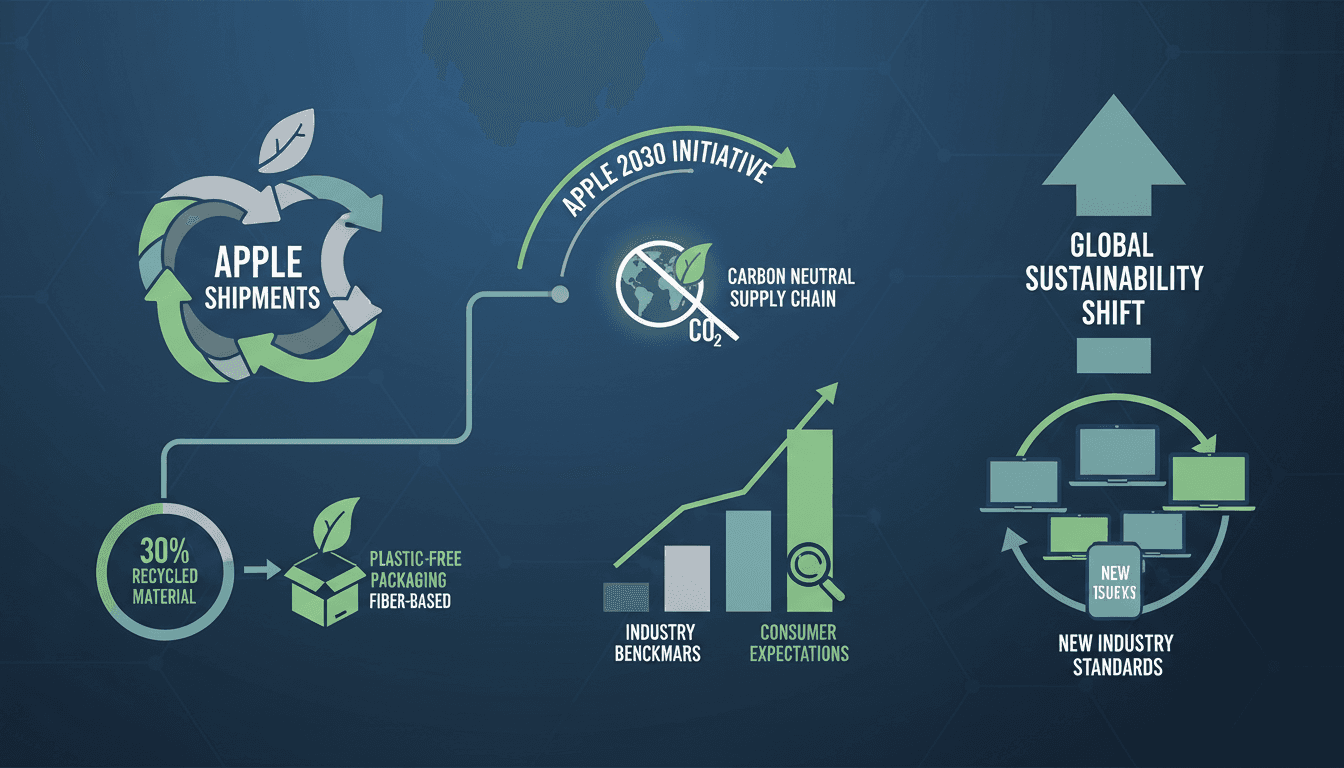
Here's what it means for you.
As Apple leads the charge in sustainable practices, your purchasing choices may increasingly reflect a commitment to environmental responsibility.
Why it matters
This milestone signals a shift in corporate sustainability standards, influencing consumer expectations and industry benchmarks.
What happened (in 30 seconds)
- Apple announced that 30% of materials in products shipped in 2025 were sourced from recycled content.
- Packaging transitioned to 100% fiber-based materials, eliminating over 15,000 metric tons of plastic.
- Greenhouse gas emissions were reduced by 60% from 2015 levels, supporting Apple's goal for carbon neutrality by 2030.
The context you actually need
- Apple's sustainability journey began with a 2015 emissions baseline, achieving corporate carbon neutrality in 2020.
- Recycled content in Apple products has steadily increased, from nearly 20% in 2021 to 24% in fiscal 2024, culminating in the 30% achievement for 2025 shipments.
- Global sustainability regulations and consumer demand for circular economy practices are driving companies to adopt similar initiatives, reshaping market dynamics.
What's really happening
Apple's recent announcement regarding its 2025 product shipments marks a significant leap in its sustainability efforts, reflecting a broader trend in corporate responsibility. The company has progressively increased the recycled content in its products, culminating in a record 30% for 2025. This achievement is not merely a marketing strategy; it aligns with Apple's long-term vision encapsulated in its Apple 2030 initiative, which aims for complete carbon neutrality across its supply chain by 2030.
The transition to 100% fiber-based packaging is equally noteworthy. By eliminating plastic, Apple is not only reducing its environmental footprint but also responding to growing consumer and regulatory pressures to minimize plastic waste. This move is expected to resonate with environmentally conscious consumers, potentially influencing their purchasing decisions and loyalty to the brand.
Apple's commitment to using 100% recycled cobalt in batteries, rare earth elements in magnets, and recycled materials in circuit boards demonstrates a comprehensive approach to sustainability. The reported 60% reduction in greenhouse gas emissions from 2015 levels further underscores the company's dedication to mitigating climate change impacts. This reduction is significant, especially as global emissions continue to rise, and positions Apple as a leader in corporate sustainability.
The implications of these developments extend beyond Apple's immediate operations. As a major player in the tech industry, Apple's actions set a precedent for other companies, encouraging them to adopt similar practices. This could lead to a ripple effect across various sectors, pushing more businesses to prioritize sustainability in their supply chains and product offerings.
Moreover, Apple's initiatives align with global sustainability goals, including the United Nations' Sustainable Development Goals (SDGs). As consumers become more aware of environmental issues, companies that prioritize sustainability may gain a competitive edge in the marketplace. This shift could redefine consumer expectations, making sustainability a key factor in purchasing decisions.
In summary, Apple's record achievement in recycled content and plastic-free packaging is a pivotal moment in corporate sustainability, with far-reaching implications for the tech industry and beyond. As more companies follow suit, the landscape of consumer goods may transform, emphasizing the importance of environmental responsibility.
Who feels it first (and how)
- Consumers: Environmentally conscious buyers may prioritize Apple products, influencing their purchasing behavior.
- Retailers: Authorized resellers in regions like Dubai will see increased demand for sustainable products.
- Suppliers: Companies providing recycled materials will benefit from Apple's commitment to sourcing.
What to watch next
- Consumer response: Monitor how sales of Apple products evolve in response to sustainability initiatives, as this could set trends for other brands.
- Regulatory changes: Watch for new regulations targeting plastic use and sustainability in tech, which may compel other companies to adapt.
- Competitor actions: Observe how rival tech companies respond to Apple's achievements, potentially leading to a wave of similar sustainability commitments.
Apple achieved 30% recycled content in 2025 shipments and eliminated plastic packaging.
Other tech companies will follow Apple's lead in sustainability efforts, increasing competition in the eco-friendly market.
The long-term impact of these initiatives on consumer loyalty and market share remains to be seen.
Frequently Asked Questions
- Why it matters?
- This milestone signals a shift in corporate sustainability standards, influencing consumer expectations and industry benchmarks.
- What happened (in 30 seconds)?
- Apple announced that 30% of materials in products shipped in 2025 were sourced from recycled content. Packaging transitioned to 100% fiber-based materials, eliminating over 15,000 metric tons of plastic. Greenhouse gas emissions were reduced by 60% from 2015 levels, supporting Apple's goal for carbon neutrality by 2030.
- What's really happening?
- Apple's recent announcement regarding its 2025 product shipments marks a significant leap in its sustainability efforts, reflecting a broader trend in corporate responsibility. The company has progressively increased the recycled content in its products, culminating in a record 30% for 2025. This achievement is not merely a marketing strategy; it aligns with Apple's long-term vision encapsulated in its Apple 2030 initiative, which aims for complete carbon neutrality across its supply chain by 20
- Who feels it first (and how)?
- Consumers: Environmentally conscious buyers may prioritize Apple products, influencing their purchasing behavior. Retailers: Authorized resellers in regions like Dubai will see increased demand for sustainable products. Suppliers: Companies providing recycled materials will benefit from Apple's commitment to sourcing.
- What to watch next?
- Consumer response: Monitor how sales of Apple products evolve in response to sustainability initiatives, as this could set trends for other brands. Regulatory changes: Watch for new regulations targeting plastic use and sustainability in tech, which may compel other companies to adapt. Competitor actions: Observe how rival tech companies respond to Apple's achievements, potentially leading to a wave of similar sustainability commitments.
Latest tech news, product reviews, and analysis for consumers and professionals.
"CNET delivers accessible and detailed technology reporting, including trusted product reviews and how-to guides."
— A47 Editor
Apple Products Now Contain 30% Recycled Materials. Their Packaging Boasts Zero Plastic
Apple has announced that its products now contain 30% recycled materials, and its packaging is entirely free of plastic, as highlighted in its 2025 Environmental Report. This achievement marks a significant step towards the company's goal of reaching...
Curated tech headlines including AI stories.
"Influential aggregator surfacing the day’s top tech/AI links."
— A47 Editor
Apple says a record 30% of material across all products it shipped in 2025 came from recycled content; all Apple-designed batteries now use 100% recycled cobalt (Hartley Charlton/MacRumors)
Apple has announced that in 2025, a record 30% of the materials used in all its shipped products came from recycled content, marking a significant milestone in its sustainability efforts. Additionally, all Apple-designed batteries now utilize 100% re...
Tech startup news, programming trends, and discussions shared by the developer community.
"Hacker News is a community-driven source highlighting influential tech discussions, startup launches, and programming insights."
— A47 Editor
Apple accelerates eco progress with highest-ever recycled materials
Apple has announced a significant advancement in its environmental initiatives by achieving the highest-ever use of recycled materials in its products. This milestone reflects the company's ongoing commitment to sustainability and reducing its ecolog...