
Cocaine Pollution Disrupts Movement of Atlantic Salmon in Lake Vättern
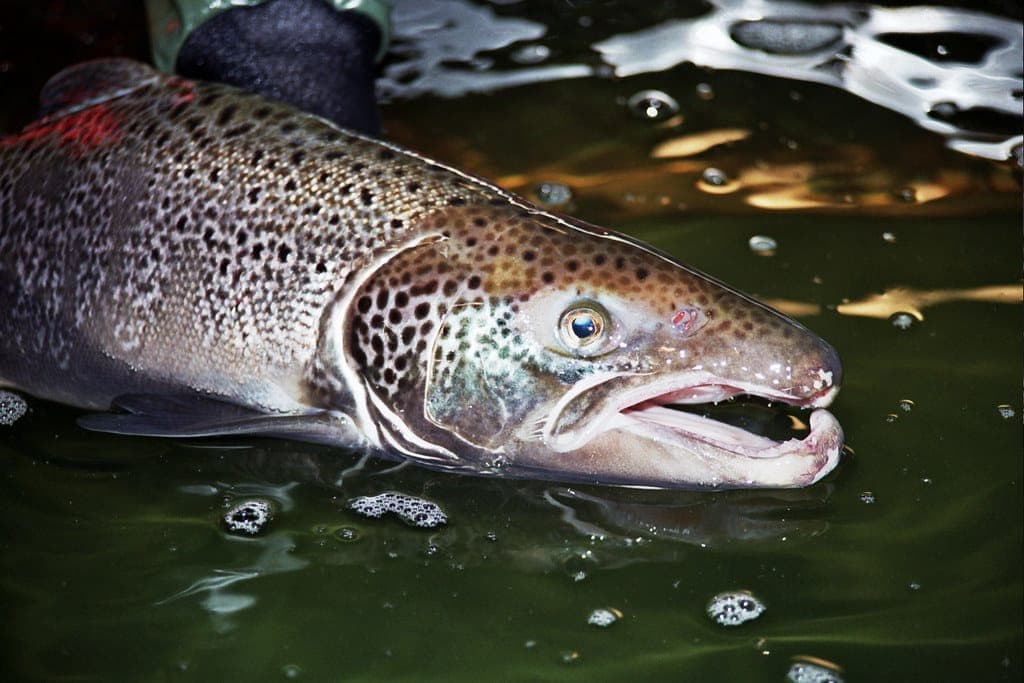
Here's what it means for you.
The findings on cocaine's impact on salmon behavior could influence seafood sourcing and environmental policies globally.
Why it matters
This research highlights the growing concern over pharmaceutical pollutants in aquatic ecosystems, which can disrupt biodiversity and affect fisheries.
What happened (in 30 seconds)
- Researchers published findings on April 20, 2026, revealing that cocaine and its metabolite benzoylecgonine disrupt juvenile Atlantic salmon behavior in Lake Vättern.
- Exposed salmon swam up to 1.9 times farther and dispersed greater distances, potentially impacting their habitat use and survival.
- The study emphasizes the risks posed by sewage-derived pharmaceutical pollutants accumulating in aquatic environments.
The context you actually need
- Pharmaceutical pollutants enter waterways through sewage treatment effluents and stormwater overflows, raising concerns about their ecological impact.
- Previous studies have shown behavioral changes in fish due to other drugs, but this is the first to document effects in a natural setting.
- Cocaine and its metabolites are found at trace levels in surface waters globally, with potential implications for biodiversity and fish populations.
What's really happening
The study led by Jack A. Brand involved surgically implanting hatchery-reared Atlantic salmon smolts with slow-release devices that delivered cocaine, benzoylecgonine, or placebo controls. Over eight weeks, researchers tracked the movements of 105 fish released into Lake Vättern using acoustic telemetry. The results were striking: salmon exposed to benzoylecgonine swam approximately 13.7 kilometers farther per week compared to controls, with a maximum dispersal distance of 12.3 kilometers northward.
This increased movement could have significant implications for habitat use, foraging behavior, and predation risk. The accumulation of benzoylecgonine in the fish's brains, reaching levels of up to 158 ng/g, raises alarms about the long-term effects of such pollutants on fish health and ecosystem dynamics. The findings underscore a critical gap in our understanding of how emerging contaminants, particularly illicit drugs, affect wildlife in natural environments.
The broader implications of this research extend beyond just salmon. As drug consumption rises globally, the presence of these pollutants in aquatic ecosystems is likely to increase, potentially leading to widespread ecological disruptions. The study calls for enhanced wastewater management practices to mitigate the release of raw sewage and pharmaceutical pollutants into waterways.
Prof. Leon Barron from Imperial College London emphasized the need for incorporating these metabolites into risk assessments for aquatic life. The lack of immediate governmental responses or market shifts in the salmon fisheries sector in Sweden indicates a need for increased awareness and action regarding the monitoring of emerging contaminants.
Who feels it first (and how)
- Fisheries: Potential changes in fish populations could impact commercial and recreational fishing industries.
- Environmental agencies: Increased pressure to monitor and regulate pharmaceutical pollutants in waterways.
- Consumers: Seafood sourcing may be affected, leading to potential changes in availability and pricing of salmon products.
What to watch next
- Regulatory changes: Watch for potential new regulations on wastewater management and pharmaceutical pollutants in aquatic environments.
- Market responses: Monitor how fisheries adapt to changes in fish behavior and population dynamics due to pollution.
- Research developments: Keep an eye on further studies exploring the effects of other pollutants on aquatic species.
Cocaine and its metabolites disrupt the behavior of juvenile Atlantic salmon.
Increased awareness and regulatory scrutiny of pharmaceutical pollutants in aquatic ecosystems will grow.
The long-term ecological impacts of these pollutants on fish populations and biodiversity remain to be fully understood.
Frequently Asked Questions
- Why it matters?
- This research highlights the growing concern over pharmaceutical pollutants in aquatic ecosystems, which can disrupt biodiversity and affect fisheries.
- What happened (in 30 seconds)?
- Researchers published findings on April 20, 2026, revealing that cocaine and its metabolite benzoylecgonine disrupt juvenile Atlantic salmon behavior in Lake Vättern. Exposed salmon swam up to 1.9 times farther and dispersed greater distances, potentially impacting their habitat use and survival. The study emphasizes the risks posed by sewage-derived pharmaceutical pollutants accumulating in aquatic environments.
- What's really happening?
- The study led by Jack A. Brand involved surgically implanting hatchery-reared Atlantic salmon smolts with slow-release devices that delivered cocaine, benzoylecgonine, or placebo controls. Over eight weeks, researchers tracked the movements of 105 fish released into Lake Vättern using acoustic telemetry. The results were striking: salmon exposed to benzoylecgonine swam approximately 13.7 kilometers farther per week compared to controls, with a maximum dispersal distance of 12.3 kilometers northw
- Who feels it first (and how)?
- Fisheries: Potential changes in fish populations could impact commercial and recreational fishing industries. Environmental agencies: Increased pressure to monitor and regulate pharmaceutical pollutants in waterways. Consumers: Seafood sourcing may be affected, leading to potential changes in availability and pricing of salmon products.
- What to watch next?
- Regulatory changes: Watch for potential new regulations on wastewater management and pharmaceutical pollutants in aquatic environments. Market responses: Monitor how fisheries adapt to changes in fish behavior and population dynamics due to pollution. Research developments: Keep an eye on further studies exploring the effects of other pollutants on aquatic species.
Independent journalism covering technology, AI, and digital culture.
"An independent newsroom by veteran tech reporters known for critical, investigative coverage of AI and tech power."
— A47 Editor
Scientists Gave a Bunch of Salmon Cocaine. This Is What Happened Next
Scientists conducted an experiment exposing salmon to cocaine, discovering that the fish swam farther than their unexposed counterparts. This finding raises significant concerns about the impact of drug pollution on aquatic ecosystems and the behavio...
Reports on science policy, discoveries, and public debate in the scientific realm.
"The Guardian’s science section is known for thoughtful and critical reporting on global research, ethics, and public understanding of science."
— A47 Editor
Cocaine pollution in rivers and lakes may disrupt behaviour of salmon, study finds
A recent study has revealed that traces of cocaine in rivers and lakes can accumulate in the brains of juvenile Atlantic salmon, leading to altered swimming behavior and increased dispersal across their habitats. This exposure raises concerns about t...
Top international stories selected by The Guardian editors.
"The Guardian is known for its progressive editorial stance and in-depth analysis."
— A47 Editor
Cocaine pollution in rivers and lakes may disrupt behaviour of salmon, study finds
A recent study has found that traces of cocaine in rivers and lakes may accumulate in the brains of juvenile Atlantic salmon, leading to altered swimming behavior and increased dispersal across their habitat. This exposure to environmental levels of ...
Science and technology stories including AI.
"Longstanding science magazine with thoughtful AI coverage."
— A47 Editor
The strange way cocaine water pollution is changing salmon
Recent studies indicate that salmon exposed to cocaine through water pollution exhibit increased swimming behavior, which may have detrimental effects on their health and survival. This phenomenon raises concerns about the impact of illicit drug cont...
Scientific research, technology, environment, and society.
"Scientific American is one of the oldest and most authoritative science magazines, known for deep dives into science, technology, and society."
— A47 Editor
The strange way cocaine water pollution is changing salmon
Recent studies indicate that salmon exposed to cocaine through water pollution exhibit increased swimming behavior, which may have detrimental effects on their health and survival. This phenomenon raises concerns about the impact of illicit drug cont...