
China's Support for Iran During Ongoing 2026 Iran War
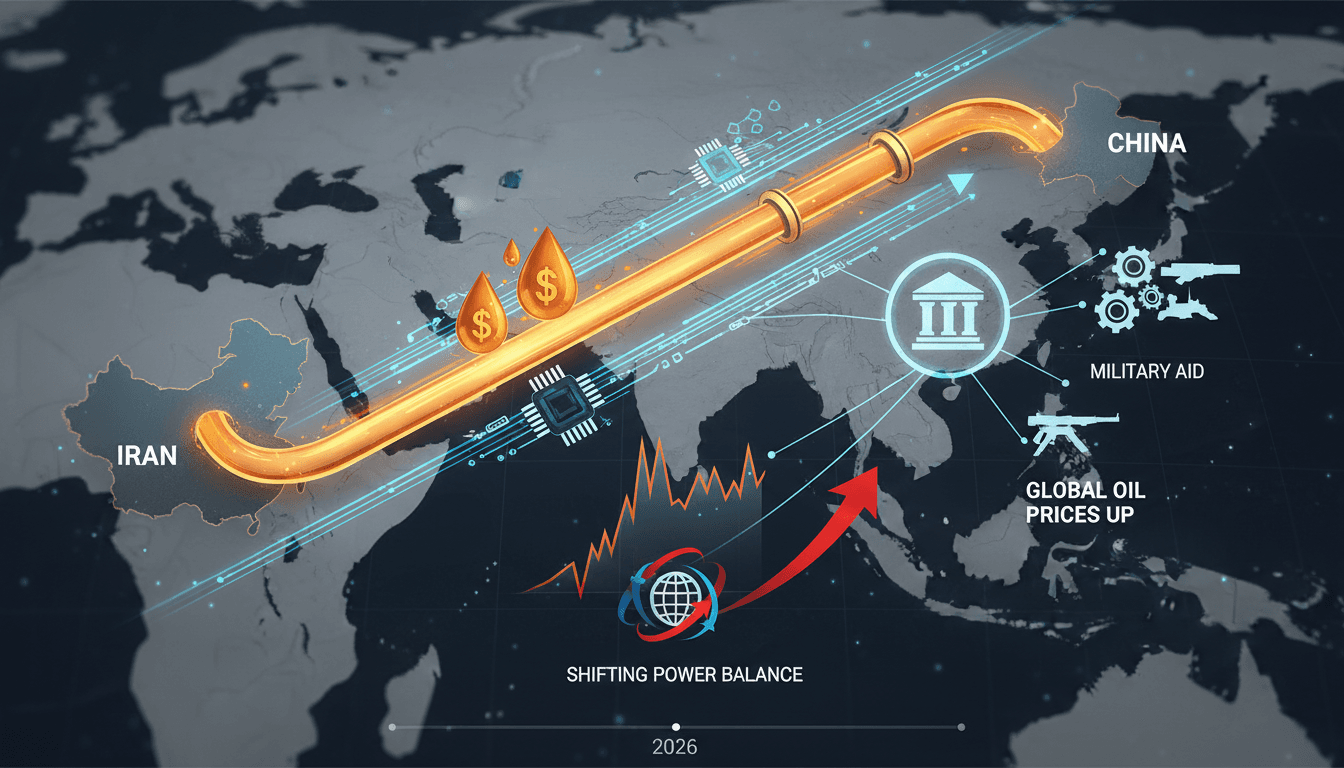
Here's what it means for you.
The geopolitical shifts in the Middle East could impact global oil prices and supply chains, affecting your business costs and travel plans.
Why it matters
The interplay of Chinese support for Iran amid conflict has significant implications for global energy markets and international relations.
What happened (in 30 seconds)
- China provided funding through oil purchases and dual-use materials to Iran during the 2026 US-Israel-Iran war.
- Iran utilized technologies like the BeiDou system for improved missile accuracy, sustaining military efforts against US and Israeli strikes.
- A fragile ceasefire was brokered in early April 2026, but tensions remain high with ongoing sanctions evasion concerns.
The context you actually need
- China's support is rooted in a 2021 Comprehensive Strategic Partnership agreement, valued at approximately $400 billion, securing Chinese investments in Iranian oil and infrastructure.
- By early 2026, China imported nearly all of Iran's 1.5 million barrels per day of oil, funding Iran's military operations and insulating Tehran from Western pressure.
- The conflict began on February 28, 2026, with US and Israeli airstrikes, leading to allegations of China supplying military components and technologies to Iran.
What's really happening
China's involvement in the 2026 Iran War reflects a strategic alignment with Iran, driven by economic interests and geopolitical calculations. The foundation for this support was laid in March 2021 with the Comprehensive Strategic Partnership, which established a framework for extensive Chinese investments in Iranian oil, gas, and infrastructure. This agreement allowed China to secure discounted crude exports while providing Iran with much-needed financial resources.
As the conflict erupted on February 28, 2026, with US and Israeli airstrikes targeting Iranian military assets, China's role evolved from a passive economic partner to an active supporter. Reports indicated that Chinese firms were supplying dual-use components for Iranian missiles and drones, enhancing Iran's military capabilities. By March, allegations surfaced regarding China's shipment of sodium perchlorate rocket fuel precursors and access to the BeiDou satellite navigation system, which significantly improved the accuracy of Iranian missile strikes.
Despite the ongoing conflict, China's oil imports from Iran remained robust, with reports indicating that China continued to import between 1.2 to 1.5 million barrels per day. This steady flow of oil not only funded Iran's military operations but also insulated the country from the economic repercussions of Western sanctions. The use of a shadow fleet to evade US sanctions further exemplified the lengths to which both nations would go to maintain their economic and military partnership.
The situation escalated as the conflict continued, leading to a fragile ceasefire brokered by China and Pakistan in early April 2026. However, the ceasefire did not eliminate the underlying tensions, as the US government issued warnings regarding China's involvement in arms shipments to Iran. The geopolitical ramifications of this support extend beyond the immediate conflict, as they signal a shift in power dynamics within the region and raise concerns about the stability of global oil markets.
As the war unfolded, Dubai's tourism sector faced severe repercussions, with hotel occupancy plummeting to 15-20% and significant cancellations impacting local businesses. The UAE government allocated $272 million in aid to mitigate the economic fallout, highlighting the interconnectedness of regional stability and global economic health.
Who feels it first (and how)
- Energy sector professionals: Fluctuations in oil prices could directly impact operational costs and profitability.
- Travel and tourism industries: Destinations like Dubai may see reduced demand due to regional instability.
- Migrant workers in the UAE: Economic downturns could lead to salary cuts and layoffs, affecting their livelihoods.
What to watch next
- Oil price fluctuations: Monitor how ongoing tensions and supply chain disruptions affect global oil prices, which could impact your business expenses.
- Geopolitical developments: Keep an eye on US-China relations and any potential sanctions that could alter the dynamics of the Iran conflict.
- Regional economic recovery: Watch for signs of recovery in tourism and trade in the UAE and surrounding areas as the ceasefire holds or deteriorates.
China has provided economic and material support to Iran during the conflict.
Continued geopolitical tensions will affect global oil markets and regional stability.
The long-term implications of China's support for Iran on US-China relations and Middle Eastern geopolitics.
Frequently Asked Questions
- Why it matters?
- The interplay of Chinese support for Iran amid conflict has significant implications for global energy markets and international relations.
- What happened (in 30 seconds)?
- China provided funding through oil purchases and dual-use materials to Iran during the 2026 US-Israel-Iran war. Iran utilized technologies like the BeiDou system for improved missile accuracy, sustaining military efforts against US and Israeli strikes. A fragile ceasefire was brokered in early April 2026, but tensions remain high with ongoing sanctions evasion concerns.
- What's really happening?
- China's involvement in the 2026 Iran War reflects a strategic alignment with Iran, driven by economic interests and geopolitical calculations. The foundation for this support was laid in March 2021 with the Comprehensive Strategic Partnership, which established a framework for extensive Chinese investments in Iranian oil, gas, and infrastructure. This agreement allowed China to secure discounted crude exports while providing Iran with much-needed financial resources. As the conflict erupted on
- Who feels it first (and how)?
- Energy sector professionals: Fluctuations in oil prices could directly impact operational costs and profitability. Travel and tourism industries: Destinations like Dubai may see reduced demand due to regional instability. Migrant workers in the UAE: Economic downturns could lead to salary cuts and layoffs, affecting their livelihoods.
- What to watch next?
- Oil price fluctuations: Monitor how ongoing tensions and supply chain disruptions affect global oil prices, which could impact your business expenses. Geopolitical developments: Keep an eye on US-China relations and any potential sanctions that could alter the dynamics of the Iran conflict. Regional economic recovery: Watch for signs of recovery in tourism and trade in the UAE and surrounding areas as the ceasefire holds or deteriorates.
Breaking news, politics, business, and entertainment from the U.S. and around the world.
"The New York Post is a tabloid-format newspaper known for its sensationalist headlines and conservative-leaning editorial tone."
— A47 Editor
China’s silent war: How Beijing armed, funded, and enabled Iran
China has played a crucial yet understated role in the ongoing conflict in Iran, providing financial support, oil purchases, and military assistance that have enabled the Iranian regime to sustain its operations. This involvement is largely overlooke...
Regional and international reporting focused on Middle Eastern politics, diplomacy, and economics.
"Asharq Al-Awsat is a Saudi-owned international newspaper reflecting mainstream Gulf political perspectives."
— A47 Editor
How China’s Weapons Transfers to Iran Have Evolved Over Decades
Over the decades, China's weapons transfers to Iran have evolved significantly, reflecting the deepening military and strategic ties between the two nations. This relationship has been shaped by various geopolitical factors, including regional confli...