
Oman and Iran Implement Transit Fees for Strait of Hormuz Ships Amid US-Iran Ceasefire
Here's what it means for you.
If you rely on global oil markets, this new fee structure could impact prices and shipping costs in your region.
Why it matters
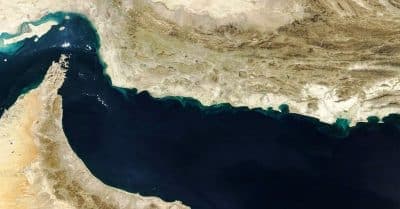
The Strait of Hormuz is a critical chokepoint for global oil trade, and any changes in its operational protocols can ripple through markets worldwide.
What happened (in 30 seconds)
- On April 7, 2026, the U.S. and Iran agreed to a two-week ceasefire that includes provisions for transit fees on ships in the Strait of Hormuz.
- Oman will oversee fee collection alongside Iranian military management, aiming to fund reconstruction and maintenance efforts.
- Oil prices reacted sharply, with U.S. crude dropping 18% to $92.60 per barrel immediately following the announcement.
The context you actually need
- Iran had previously closed the Strait of Hormuz on March 4, 2026, disrupting 20% of global oil trade and causing a spike in oil prices.
- Oman acted as a mediator between the U.S. and Iran, facilitating talks that led to the current ceasefire and fee protocol.
- Markets are already pricing in the deal, with prediction platforms reflecting a high likelihood of compliance and a subsequent recovery in oil prices.
What's really happening
The recent agreement between the United States and Iran to implement transit fees for vessels passing through the Strait of Hormuz marks a significant shift in maritime operations in one of the world's most crucial shipping lanes. The Strait of Hormuz is responsible for the transit of approximately 20% of the world's oil, making any changes to its operational status a matter of global concern.
The ceasefire, brokered with the assistance of Oman and Pakistan, allows for the regulated passage of ships under Iranian military oversight. This arrangement is not merely a temporary measure; it reflects a broader strategy by Iran to regain control over its territorial waters while generating revenue through transit fees. The fees are intended to support reconstruction and maintenance efforts in the region, which have been severely impacted by ongoing conflicts and sanctions.
The immediate market reaction was telling: U.S. crude oil prices plummeted by 18% to $92.60 per barrel, signaling investor relief at the prospect of reduced tensions and the potential for stabilized oil supply. However, the introduction of transit fees raises questions about the long-term implications for shipping costs and oil prices. While the cessation of hostilities is a positive development, the fees may lead to elevated shipping expenses that could be passed on to consumers.
Oman's role as a mediator underscores its strategic importance in the region, as it seeks to balance relations between Iran and Western powers. The Gulf Cooperation Council (GCC) has deemed the Iranian fees illegal under UN conventions, indicating potential friction among regional players. This situation creates a complex web of incentives and disincentives for compliance, as countries navigate the delicate balance between economic interests and geopolitical stability.
As the ceasefire progresses, the focus will be on how effectively the fee structure is implemented and whether it leads to further negotiations for long-term peace and stability in the region. The implications of this agreement extend beyond immediate oil prices; they could reshape the dynamics of maritime trade and security in the Gulf.
Who feels it first (and how)
- Oil producers and exporters: They will face fluctuations in pricing and potential revenue adjustments due to new fees.
- Shipping companies: Increased operational costs may affect profit margins and shipping routes.
- Consumers in the UAE: Higher transport and grocery costs could result from elevated shipping expenses.
- Investors in oil markets: They will need to monitor compliance and market reactions closely to adjust strategies.
What to watch next
- Compliance with the fee structure: Monitoring how effectively Iran and Oman implement the transit fees will be crucial for market stability.
- Global oil price trends: Watch for fluctuations in oil prices as markets react to the new fees and any further developments in the ceasefire.
- Regional diplomatic relations: The response from the GCC and other regional players could influence future negotiations and stability in the Gulf.
The U.S. and Iran have agreed to a two-week ceasefire that includes transit fees.
Oil prices will experience volatility as markets adjust to the new fee structure.
The long-term impact of these fees on global shipping costs and oil supply dynamics.
Frequently Asked Questions
- Why it matters?
- The Strait of Hormuz is a critical chokepoint for global oil trade, and any changes in its operational protocols can ripple through markets worldwide.
- What happened (in 30 seconds)?
- On April 7, 2026, the U.S. and Iran agreed to a two-week ceasefire that includes provisions for transit fees on ships in the Strait of Hormuz. Oman will oversee fee collection alongside Iranian military management, aiming to fund reconstruction and maintenance efforts. Oil prices reacted sharply, with U.S. crude dropping 18% to $92.60 per barrel immediately following the announcement.
- What's really happening?
- The recent agreement between the United States and Iran to implement transit fees for vessels passing through the Strait of Hormuz marks a significant shift in maritime operations in one of the world's most crucial shipping lanes. The Strait of Hormuz is responsible for the transit of approximately 20% of the world's oil, making any changes to its operational status a matter of global concern. The ceasefire, brokered with the assistance of Oman and Pakistan, allows for the regulated passage of
- Who feels it first (and how)?
- Oil producers and exporters: They will face fluctuations in pricing and potential revenue adjustments due to new fees. Shipping companies: Increased operational costs may affect profit margins and shipping routes. Consumers in the UAE: Higher transport and grocery costs could result from elevated shipping expenses. Investors in oil markets: They will need to monitor compliance and market reactions closely to adjust strategies.
- What to watch next?
- Compliance with the fee structure: Monitoring how effectively Iran and Oman implement the transit fees will be crucial for market stability. Global oil price trends: Watch for fluctuations in oil prices as markets react to the new fees and any further developments in the ceasefire. Regional diplomatic relations: The response from the GCC and other regional players could influence future negotiations and stability in the Gulf.
Pan-Arab news coverage spanning politics, business, sports, and regional affairs.
"Asharq Al-Awsat reflects a broad Arab editorial perspective with strong attention to regional geopolitics."
— A47 Editor
«ميرسك»: وقف إطلاق النار قد يفتح مضيق هرمز جزئياً دون ضمانات بحرية كاملة
The Danish shipping group Maersk announced on Wednesday that a ceasefire between the United States and Iran could create opportunities for vessels to transit through the Strait of Hormuz. This development comes amid ongoing tensions in the region tha...
Research, news, and analysis on blockchain startups, DeFi, and regulations.
"Crypto Briefing provides research, news, and analysis on blockchain startups, DeFi, and crypto regulations with investor-focused coverage."
— A47 Editor
Oman waives Strait of Hormuz fees, US-Iran ceasefire markets react sharply
Oman has announced a waiver of fees for vessels passing through the strategically significant Strait of Hormuz, coinciding with renewed optimism for a ceasefire between the United States and Iran. This decision is expected to enhance trade dynamics a...
Market-moving headlines impacting equities, bonds, and related risk assets.
"Real-time catalysts and volatility drivers across indices and sectors."
— A47 Editor
Maersk cautious on Strait of Hormuz shipping despite US-Iran ceasefire
Maersk has expressed caution regarding shipping through the Strait of Hormuz, despite a recent two-week ceasefire agreement between the US and Iran. This ceasefire aims to halt military actions and facilitate negotiations, which includes Iran's commi...