
US-Sanctioned Tankers Navigate Strait of Hormuz Amid Naval Blockade on Iran
Here's what it means for you.
Rising oil prices and disrupted trade routes could impact your cost of living and business operations.
Why it matters
The blockade's enforcement could reshape global oil supply chains and elevate regional tensions, affecting markets worldwide.
What happened (in 30 seconds)
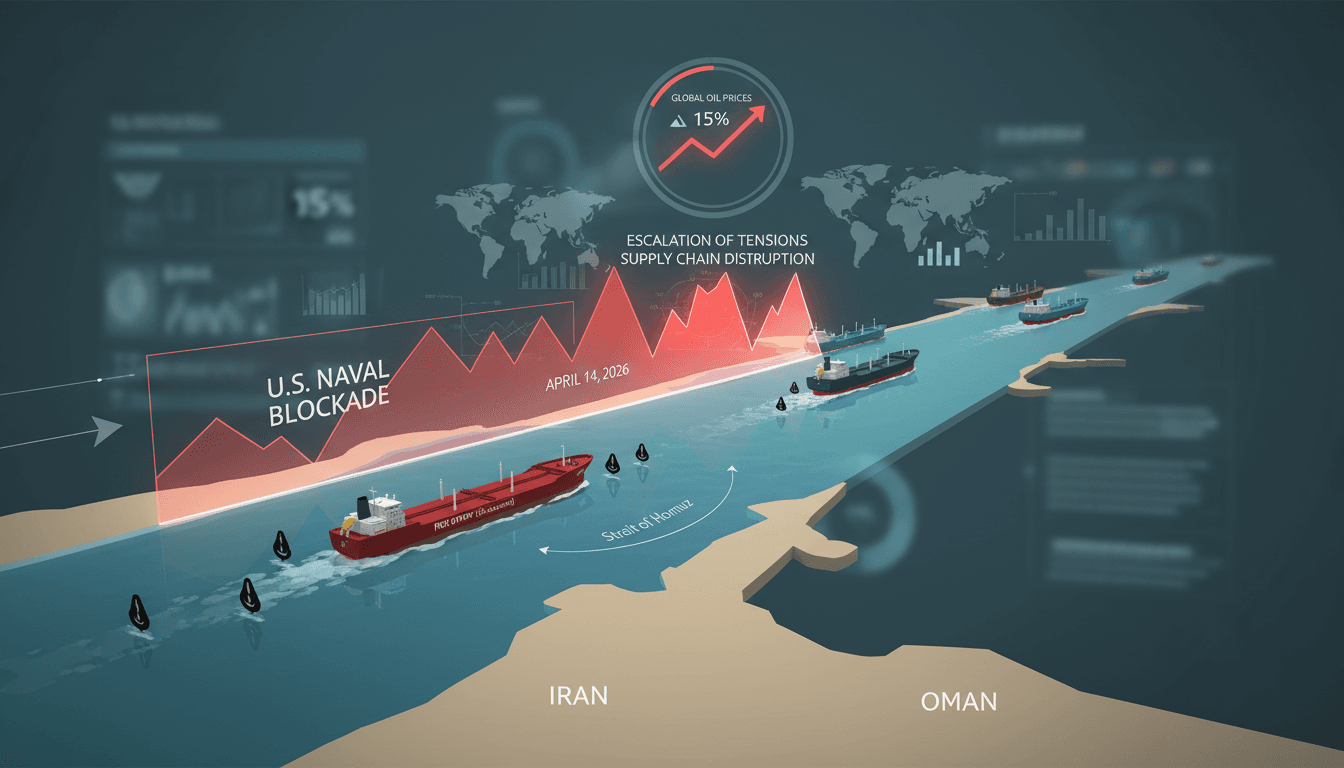
- On April 14, 2026, the US-sanctioned Chinese tanker Rich Starry transited the Strait of Hormuz despite a US naval blockade on Iranian ports.
- US Central Command reported no breaches in the first 24 hours, yet shipping data confirmed at least eight vessels crossed the strait.
- Oil prices surged over 8% to exceed $100 per barrel following the blockade announcement, reflecting market anxiety.
The context you actually need
- The US-Israeli air campaign against Iran began on February 28, 2026, leading to heightened military tensions and the closure of the Strait of Hormuz by Iran.
- Failed peace talks in Islamabad prompted President Trump to announce the blockade on April 12, targeting all vessels entering or exiting Iranian ports.
- The blockade is enforced by over 10,000 US troops and a dozen warships, with exemptions for humanitarian aid and non-Iranian transits.
What's really happening
The US naval blockade on Iranian ports represents a significant escalation in the ongoing conflict between the US and Iran, particularly following the collapse of peace talks. The blockade aims to restrict Iranian access to international shipping routes, thereby limiting its ability to export oil and other goods. This move is part of a broader strategy to exert economic pressure on Iran, which has been accused of destabilizing activities in the region.
Despite the blockade, the transit of the Rich Starry and other vessels indicates a complex reality on the ground. Shipping data revealed that at least eight vessels, including US-sanctioned tankers, successfully navigated the Strait of Hormuz on the first day of the blockade. This suggests that enforcement may be selective or that certain vessels are willing to risk the blockade's consequences. The presence of Chinese-owned tankers highlights the geopolitical stakes, as China has significant economic ties with Iran and may not comply with US sanctions.
The implications of this blockade extend beyond immediate shipping concerns. As oil prices surged above $100 per barrel, the economic ramifications are felt globally. Countries reliant on oil imports, including those in Europe and Asia, may experience increased costs, leading to inflationary pressures. For Dubai, a major global trading hub, the blockade raises concerns about rising fuel costs and economic uncertainty. Elevated war-risk insurance premiums could disrupt regional trade, impacting businesses and consumers alike.
Moreover, the blockade's enforcement raises questions about the future of maritime security in the region. With tensions escalating, the potential for military confrontations increases, which could further destabilize the Gulf region. The situation remains fluid, and the international community is closely monitoring developments, particularly as China has condemned the blockade and called for de-escalation.
Who feels it first (and how)
- Oil consumers: Higher prices at the pump and increased costs for goods and services.
- Shipping companies: Elevated insurance premiums and potential rerouting of vessels.
- Businesses in Dubai: Disrupted trade routes and rising operational costs could impact profitability.
- Geopolitical analysts: Increased scrutiny on US-Iran relations and regional stability.
What to watch next
- Oil price fluctuations: Continued volatility in oil prices will indicate market reactions to the blockade and geopolitical tensions.
- Shipping traffic patterns: Monitoring changes in vessel transits through the Strait of Hormuz will reveal the blockade's effectiveness and compliance levels.
- International diplomatic responses: Reactions from China and other nations regarding the blockade could shape future negotiations and conflict dynamics.
The US naval blockade is in effect, targeting Iranian ports and vessels.
Oil prices will remain volatile as markets react to ongoing tensions and blockade enforcement.
The long-term impact on US-Iran relations and the potential for further military escalation in the region.
Frequently Asked Questions
- Why it matters?
- The blockade's enforcement could reshape global oil supply chains and elevate regional tensions, affecting markets worldwide.
- What happened (in 30 seconds)?
- On April 14, 2026, the US-sanctioned Chinese tanker Rich Starry transited the Strait of Hormuz despite a US naval blockade on Iranian ports. US Central Command reported no breaches in the first 24 hours, yet shipping data confirmed at least eight vessels crossed the strait. Oil prices surged over 8% to exceed $100 per barrel following the blockade announcement, reflecting market anxiety.
- What's really happening?
- The US naval blockade on Iranian ports represents a significant escalation in the ongoing conflict between the US and Iran, particularly following the collapse of peace talks. The blockade aims to restrict Iranian access to international shipping routes, thereby limiting its ability to export oil and other goods. This move is part of a broader strategy to exert economic pressure on Iran, which has been accused of destabilizing activities in the region. Despite the blockade, the transit of the R
- Who feels it first (and how)?
- Oil consumers: Higher prices at the pump and increased costs for goods and services. Shipping companies: Elevated insurance premiums and potential rerouting of vessels. Businesses in Dubai: Disrupted trade routes and rising operational costs could impact profitability. Geopolitical analysts: Increased scrutiny on US-Iran relations and regional stability.
- What to watch next?
- Oil price fluctuations: Continued volatility in oil prices will indicate market reactions to the blockade and geopolitical tensions. Shipping traffic patterns: Monitoring changes in vessel transits through the Strait of Hormuz will reveal the blockade's effectiveness and compliance levels. International diplomatic responses: Reactions from China and other nations regarding the blockade could shape future negotiations and conflict dynamics.
Regional and international reporting focused on Middle Eastern politics, diplomacy, and economics.
"Asharq Al-Awsat is a Saudi-owned international newspaper reflecting mainstream Gulf political perspectives."
— A47 Editor
US-sanctioned Tankers Pass Strait of Hormuz Despite US Blockade
Two US-sanctioned tankers have successfully navigated the Strait of Hormuz, heading towards Iranian ports, despite a blockade imposed by the United States aimed at restricting maritime traffic following failed peace negotiations. This development hig...
Macro commentary, policy analysis, growth/inflation themes, and global outlooks.
"Contextual macro coverage that complements day-to-day market headlines."
— A47 Editor
U.S. military to enforce blockade in Gulf of Oman, Arabian Sea
The U.S. military has announced plans to enforce a blockade in the Gulf of Oman and the Arabian Sea, a strategic move aimed at enhancing maritime security in the region. This decision comes amid rising tensions linked to Iran's nuclear activities and...
Regional and international reporting focused on Middle Eastern politics, diplomacy, and economics.
"Asharq Al-Awsat is a Saudi-owned international newspaper reflecting mainstream Gulf political perspectives."
— A47 Editor
US Military to Begin Blockade of Iranian Ports on Monday
The US military has initiated a blockade of Iranian ports, effective April 13, 2026, aimed at restricting maritime traffic to and from Iran. This action follows the collapse of peace negotiations between the US and Iran, with the blockade involving o...