
Japan Commits $10 Billion to Strengthen Southeast Asian Energy Supply Chains
Here's what it means for you.
If you’re in Southeast Asia, this financial framework could stabilize energy prices and supply chains critical for your industry.
Why it matters
This initiative is a strategic move to secure energy supplies amid global disruptions, impacting economic stability across Southeast Asia.
What happened (in 30 seconds)
- On April 15, 2026, Japan announced a $10 billion financial framework to support Southeast Asian nations in procuring crude oil amid a global oil crisis.
- The initiative targets countries like Thailand, Vietnam, the Philippines, and Malaysia, aiming to bolster regional energy security and supply chains.
- This funding is equivalent to one year's worth of ASEAN crude oil imports, addressing acute shortages and stabilizing prices.
The context you actually need
- Global oil supplies contracted in early 2026 due to the US-Iran war and disruptions in the Strait of Hormuz, pushing Brent crude prices above $100 per barrel.
- Southeast Asia faced significant shortages of naphtha and derivatives essential for industries, with limited stockpiles exacerbating the crisis.
- Japan's strategic reserves allowed it to release stocks to mitigate domestic supply issues while supporting regional partners, emphasizing interdependence.
What's really happening
The recent escalation of conflict in the Middle East has severely disrupted global oil supplies, particularly affecting the flow of crude oil through the Strait of Hormuz, a critical chokepoint for oil transport. As a result, Brent crude prices surged over 70% year-to-date, reaching levels that threaten economic stability in oil-dependent regions, including Southeast Asia.
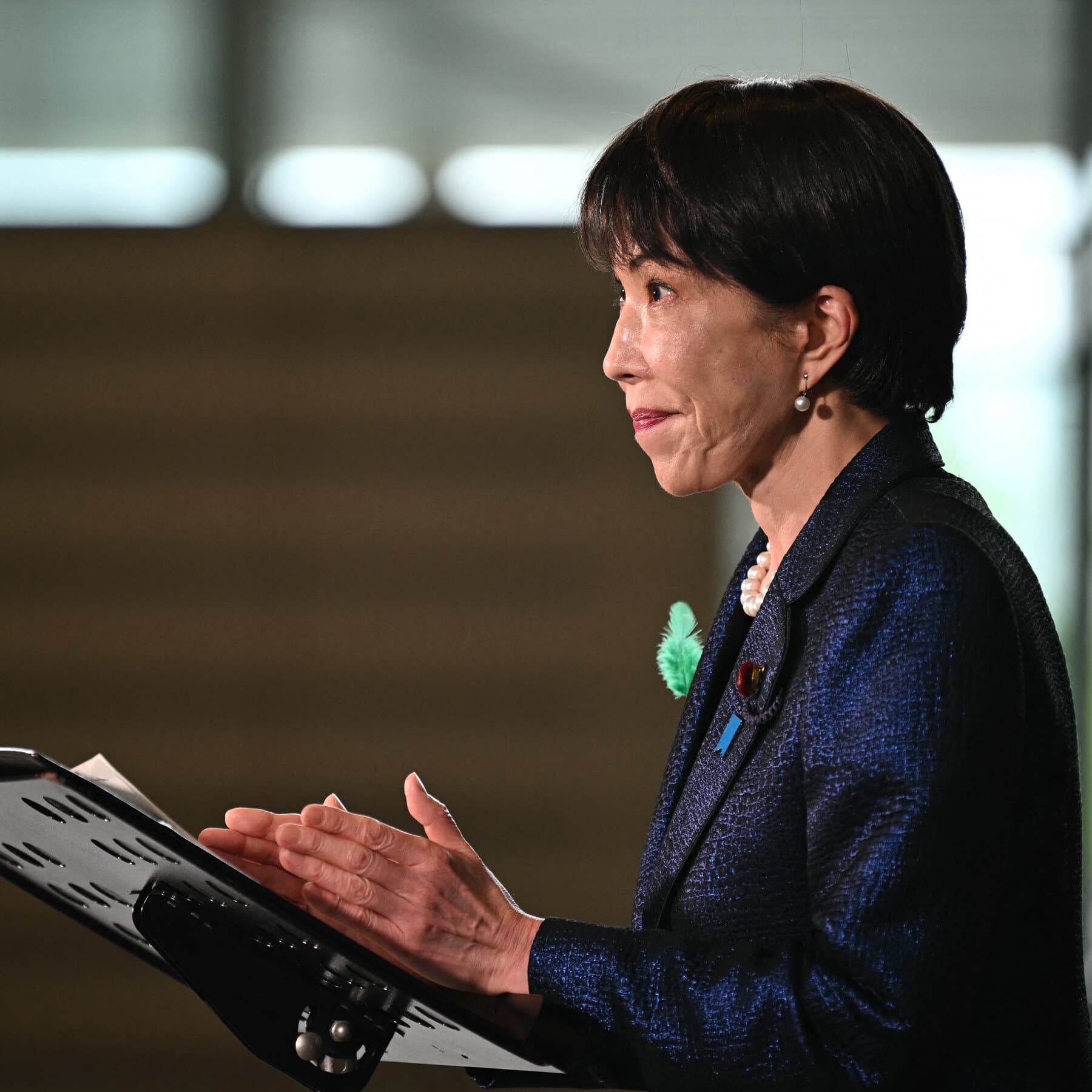
In response, Japan's Prime Minister Sanae Takaichi announced a $10 billion financial framework during a virtual AZEC+ summit, aimed at securing energy supplies for Southeast Asian nations. This initiative is not merely a financial transaction; it reflects Japan's strategic interdependence with its Asian neighbors, where approximately 90% of oil transiting through Hormuz is destined for Asia.
The funding will be channeled through Japanese institutions like the Japan Bank for International Cooperation (JBIC) and Nippon Export and Investment Insurance (NEXI), focusing on procuring crude oil from alternative sources, constructing storage facilities, and diversifying supply chains. This approach ensures that Japan can maintain its own reserves while assisting its partners in stabilizing their energy needs.
The implications of this initiative extend beyond immediate energy security. By investing in Southeast Asia's energy infrastructure, Japan is reinforcing its role as a reliable partner in the region, contrasting with less transparent alternatives that other nations may offer. This move is likely to enhance Japan's influence in Southeast Asia, fostering deeper economic ties and mutual dependencies that could reshape regional dynamics.
Moreover, the initiative comes at a time when Southeast Asian countries are grappling with rising fuel prices, which have led to increased costs for consumers and businesses alike. The financial support from Japan is expected to alleviate some of these pressures, providing a buffer against the volatility of global oil markets.
Who feels it first (and how)
- Energy Sector: Companies involved in oil procurement and distribution will benefit from increased supply and potentially stabilized prices.
- Manufacturing Industries: Sectors reliant on naphtha and petroleum products, such as plastics and medical goods, will see reduced supply chain disruptions.
- Consumers: Households in Southeast Asia may experience less volatility in fuel prices, easing the financial burden of rising costs.
What to watch next
- Oil Price Trends: Monitor Brent crude prices for signs of stabilization or further volatility, as this will directly impact regional economies.
- Implementation of Aid: Watch for updates on how quickly and effectively Japan's $10 billion framework is deployed, particularly in terms of procurement and infrastructure development.
- Regional Political Dynamics: Observe how this initiative influences Japan's relationships with Southeast Asian nations and its standing against other global powers in the region.
Japan has pledged $10 billion to support Southeast Asian energy supply chains.
Southeast Asian countries will experience some stabilization in energy prices and supply chains as a result of this initiative.
The long-term impact on Japan's geopolitical influence in Southeast Asia remains to be seen.
Frequently Asked Questions
- Why it matters?
- This initiative is a strategic move to secure energy supplies amid global disruptions, impacting economic stability across Southeast Asia.
- What happened (in 30 seconds)?
- On April 15, 2026, Japan announced a $10 billion financial framework to support Southeast Asian nations in procuring crude oil amid a global oil crisis. The initiative targets countries like Thailand, Vietnam, the Philippines, and Malaysia, aiming to bolster regional energy security and supply chains. This funding is equivalent to one year's worth of ASEAN crude oil imports, addressing acute shortages and stabilizing prices.
- What's really happening?
- The recent escalation of conflict in the Middle East has severely disrupted global oil supplies, particularly affecting the flow of crude oil through the Strait of Hormuz, a critical chokepoint for oil transport. As a result, Brent crude prices surged over 70% year-to-date, reaching levels that threaten economic stability in oil-dependent regions, including Southeast Asia. In response, Japan's Prime Minister Sanae Takaichi announced a $10 billion financial framework during a virtual AZEC+ summ
- Who feels it first (and how)?
- Energy Sector: Companies involved in oil procurement and distribution will benefit from increased supply and potentially stabilized prices. Manufacturing Industries: Sectors reliant on naphtha and petroleum products, such as plastics and medical goods, will see reduced supply chain disruptions. Consumers: Households in Southeast Asia may experience less volatility in fuel prices, easing the financial burden of rising costs.
- What to watch next?
- Oil Price Trends: Monitor Brent crude prices for signs of stabilization or further volatility, as this will directly impact regional economies. Implementation of Aid: Watch for updates on how quickly and effectively Japan's $10 billion framework is deployed, particularly in terms of procurement and infrastructure development. Regional Political Dynamics: Observe how this initiative influences Japan's relationships with Southeast Asian nations and its standing against other global powers in the r
Corporate news, economic trends, and markets with UK and global scope.
"BBC News is widely regarded as reputable and impartial, with a public service mandate."
— A47 Editor
Japan pledges $10bn to help Asian countries deal with oil crisis
Japan has announced a $10 billion pledge to assist Southeast Asian nations in managing the rising oil prices, as stated by Prime Minister Sanae Takaichi in Tokyo. This financial support is aimed at ensuring the availability of essential oil-based pro...
Arabic-language political and world news coverage for UAE readers.
"Emarat Al Youm world coverage usually presents international developments through a UAE and Arab audience lens."
— A47 Editor
مساعدة مالية يابانية إلى دول جنوب شرق آسيا مساعدة مالية يابانية إلى دول جنوب شرق آسيا
Japan has announced a financial aid package of $10 billion to Southeast Asian countries to assist them in coping with rising oil prices. This initiative reflects Japan's commitment to supporting regional economies amid global energy challenges.
Markets, economy, and company analysis from NYT’s business desk.
"The New York Times is a globally recognized newspaper offering authoritative reporting with a center-left editorial stance."
— A47 Editor
Japan Pledges $10 Billion to Help Countries Cope With Oil Prices
Japan has pledged $10 billion to assist Southeast Asian nations in coping with rising oil prices, as announced by Prime Minister Sanae Takaichi in Tokyo. This initiative aims to secure the availability of oil-based products, including essential medic...