
Pakistan Facilitates US-Iran Peace Talks Amid Ongoing Regional Tensions
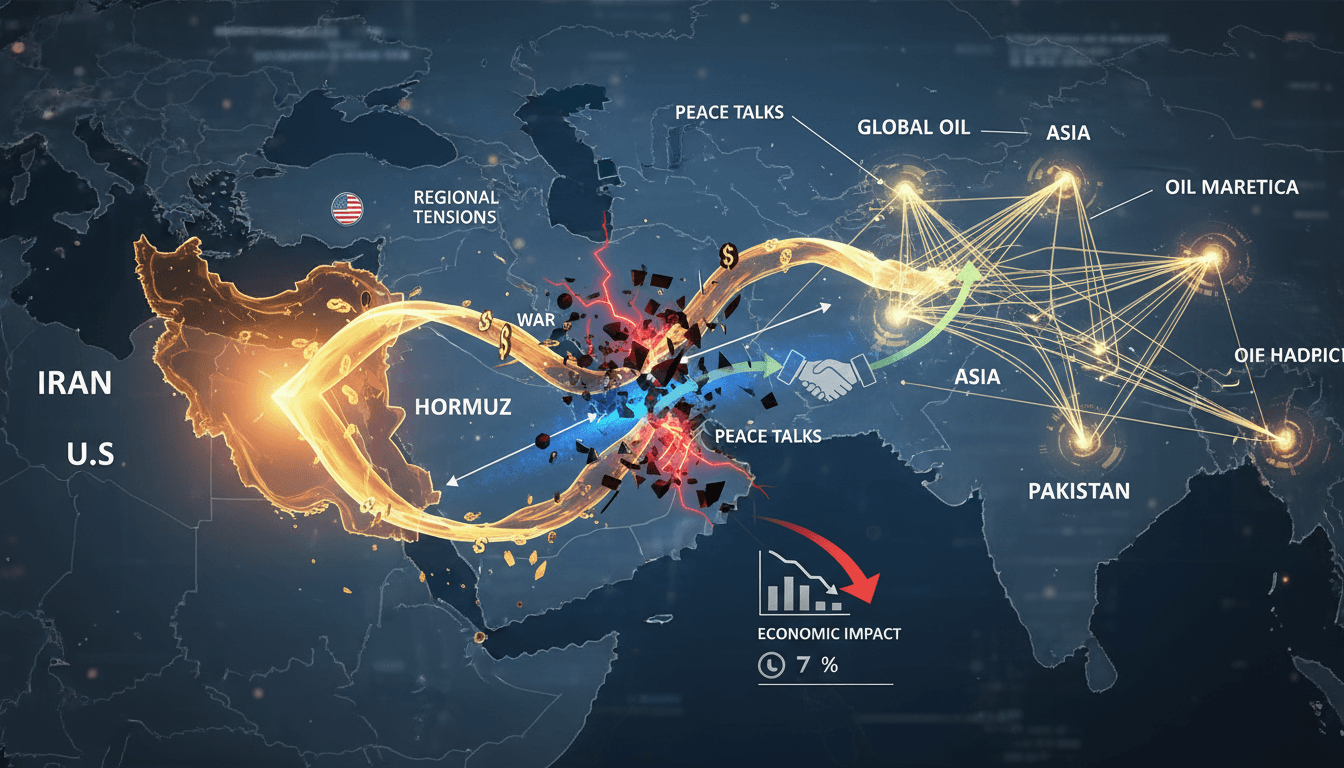
Here's what it means for you.
The outcome of these talks could influence global oil prices and economic conditions, impacting your daily expenses.
Why it matters
The negotiations in Islamabad could reshape geopolitical dynamics, affecting trade and security across the region.
What happened (in 30 seconds)
- Pakistan is hosting peace talks between the U.S. and Iran on April 12, 2026, following a fragile ceasefire.
- Delegations are arriving in Islamabad, with heightened security measures in place to ensure safety during negotiations.
- The talks aim to de-escalate the ongoing Iran war, which has implications for regional stability and global oil markets.
The context you actually need
- The 2026 Iran war began in February 2026 with U.S.-Israeli airstrikes on Iranian targets, escalating tensions in the region.
- Pakistan has maintained relations with both the U.S. and Iran, positioning itself as a mediator amid rising militancy along its borders.
- The ceasefire announcement on April 8, 2026, followed weeks of backchannel diplomacy, highlighting Pakistan's strategic role in regional peace efforts.
What's really happening
The ongoing peace talks in Islamabad represent a critical juncture in a conflict that has already lasted six weeks, marked by significant military actions and retaliatory strikes. The U.S. and Iran have been locked in a cycle of aggression since February 2026, when U.S.-Israeli airstrikes targeted Iranian military assets, prompting Iran to retaliate against U.S.-aligned Gulf states. This escalation has not only destabilized the region but has also raised concerns about the potential for broader conflict, particularly given the strategic importance of the Strait of Hormuz, a vital chokepoint for global oil transit.
Pakistan's involvement as a mediator stems from its unique position in the region, maintaining diplomatic relations with both the U.S. and Iran. The Pakistani leadership, including Army Chief Field Marshal Asim Munir and Prime Minister Shehbaz Sharif, has engaged in extensive diplomacy to facilitate these talks. The fragile ceasefire announced on April 8, 2026, is a direct result of these efforts, aiming to prevent further escalation and mitigate the risks posed by rising militancy along Pakistan's borders with Iran and Afghanistan.
The stakes are high, as failure to reach an agreement could lead to renewed hostilities, exacerbating the already precarious security situation in the region. Analysts have warned that if the talks collapse, it could embolden militant groups operating in the area, further destabilizing Pakistan and its neighbors. Additionally, the economic implications of the conflict are significant, particularly for countries reliant on oil imports. The recent disruptions in the Strait of Hormuz have already led to fluctuations in global oil prices, affecting economies far beyond the immediate conflict zone.
As the U.S. and Iranian delegations prepare to meet under tight security at the Serena Hotel, the outcome of these negotiations could have far-reaching consequences. A successful resolution may not only stabilize the region but also alleviate some of the economic pressures currently felt by countries like the UAE and beyond, which are grappling with elevated fuel prices and supply chain disruptions.
Who feels it first (and how)
- Oil consumers: Higher fuel prices due to supply chain disruptions could impact daily expenses.
- Businesses in Dubai: Economic pressures from regional instability may affect trade and operations.
- Local populations in Pakistan: Increased security measures and potential militant threats could disrupt daily life.
What to watch next
- Outcomes of the peace talks: Success or failure will directly impact regional stability and economic conditions.
- Oil market reactions: Fluctuations in oil prices following the talks will indicate market confidence in the resolution.
- Security developments in Pakistan: Any rise in militant activity could signal the effectiveness of the peace process.
The U.S. and Iran are engaged in peace talks mediated by Pakistan.
Regional stability will be influenced by the outcomes of these negotiations.
The long-term effects on global oil markets and local economies remain to be seen.
Frequently Asked Questions
- Why it matters?
- The negotiations in Islamabad could reshape geopolitical dynamics, affecting trade and security across the region.
- What happened (in 30 seconds)?
- Pakistan is hosting peace talks between the U.S. and Iran on April 12, 2026, following a fragile ceasefire. Delegations are arriving in Islamabad, with heightened security measures in place to ensure safety during negotiations. The talks aim to de-escalate the ongoing Iran war, which has implications for regional stability and global oil markets.
- What's really happening?
- The ongoing peace talks in Islamabad represent a critical juncture in a conflict that has already lasted six weeks, marked by significant military actions and retaliatory strikes. The U.S. and Iran have been locked in a cycle of aggression since February 2026, when U.S.-Israeli airstrikes targeted Iranian military assets, prompting Iran to retaliate against U.S.-aligned Gulf states. This escalation has not only destabilized the region but has also raised concerns about the potential for broader
- Who feels it first (and how)?
- Oil consumers: Higher fuel prices due to supply chain disruptions could impact daily expenses. Businesses in Dubai: Economic pressures from regional instability may affect trade and operations. Local populations in Pakistan: Increased security measures and potential militant threats could disrupt daily life.
- What to watch next?
- Outcomes of the peace talks: Success or failure will directly impact regional stability and economic conditions. Oil market reactions: Fluctuations in oil prices following the talks will indicate market confidence in the resolution. Security developments in Pakistan: Any rise in militant activity could signal the effectiveness of the peace process.
Regional coverage and analysis focused on politics, diplomacy, and business across the Middle East.
"Al-Monitor is known for analytical reporting on Middle East politics and policy developments."
— A47 Editor
Analysis-Pakistan's high-stakes Iran peace bid is fraught with risk
Pakistan is attempting to mediate a peace deal between Iran and the United States, a task viewed by some diplomats as highly challenging. This diplomatic initiative, led by Army Chief Field Marshal Asim Munir and Prime Minister Shehbaz Sharif, aims t...
English-language reporting on Saudi politics, policy, and society.
"Saudi Gazette reflects mainstream Saudi institutional perspectives."
— A47 Editor
Pakistan pledges “highest support” for US, Iran talks after ceasefire
Pakistan Prime Minister Shehbaz Sharif has pledged the country's highest support for upcoming talks between the United States and Iran, set to take place in Islamabad following a recently secured two-week ceasefire. This ceasefire was established aft...
RT is a Russian state-funded network covering global events from a Russian perspective.
"RT is widely criticized for promoting pro-Kremlin narratives and is considered by many to be a state propaganda outlet."
— A47 Editor
Iran thanks Pakistan for mediation efforts with US
Iran has expressed gratitude towards Pakistani Prime Minister Shehbaz Sharif and Army Chief Asim Munir for their mediation efforts that led to a two-week ceasefire with the United States. This diplomatic breakthrough comes amid rising tensions in the...
English-language news from Qatar covering domestic and regional affairs.
"Gulf Times reflects Qatari perspectives on regional developments."
— A47 Editor
Pakistan to host US-Iran peace talks Friday following ceasefire
Pakistani Prime Minister Muhammad Shehbaz Sharif announced that Islamabad will host high-level delegations from the United States and Iran on Friday to negotiate a definitive peace agreement following a recently established ceasefire. This initiative...