
U.S. Naval Blockade of Strait of Hormuz Enforced Amid Software Stock Surge
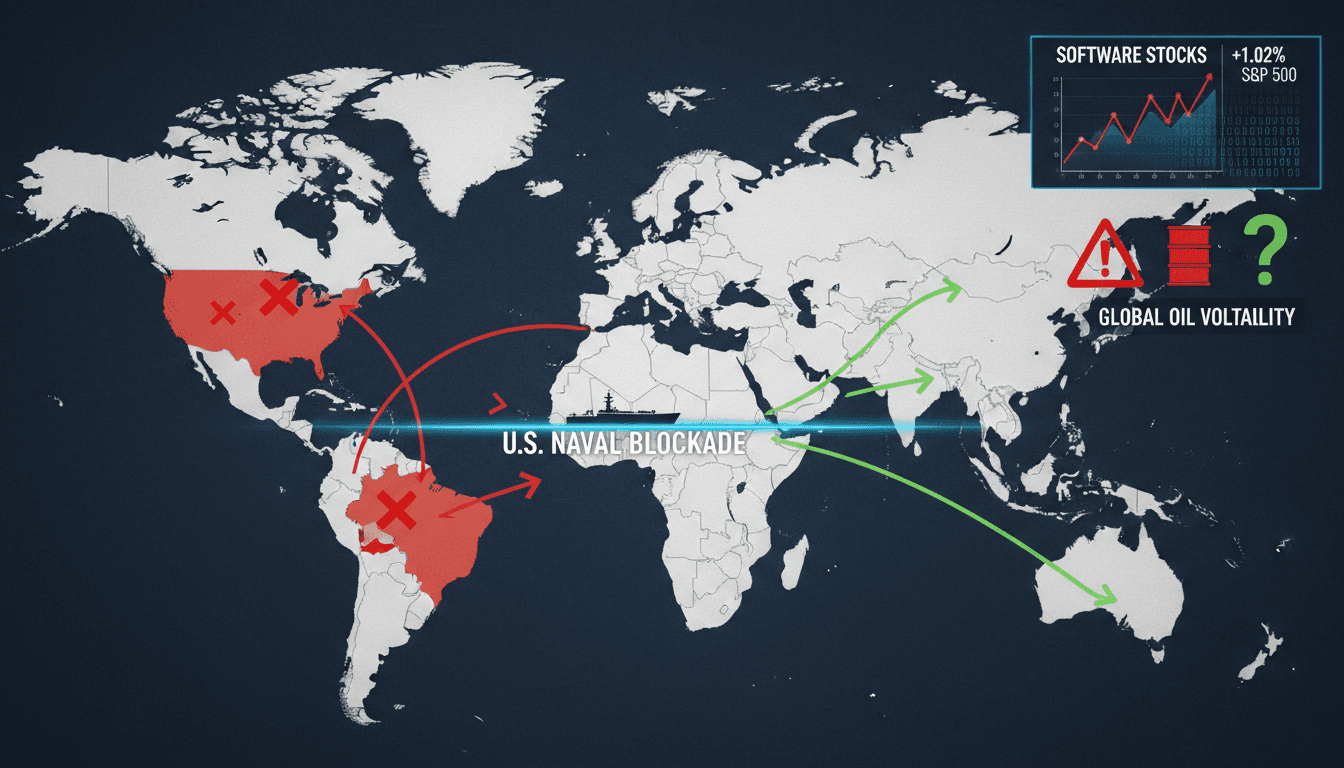
Here's what it means for you.
If you're invested in tech or energy sectors, the current geopolitical tensions could significantly impact your portfolio.
Why it matters
The blockade's implications on oil prices and market stability could reshape investment strategies globally.
What happened (in 30 seconds)
- On April 13, 2026, the U.S. initiated a naval blockade of Iranian ports in the Strait of Hormuz, escalating tensions after failed diplomatic talks.
- The S&P 500 gained 1.02%, marking its eighth consecutive session of increases, driven by a rally in software stocks despite rising oil prices.
- Oil prices surged toward $100 per barrel as Iranian exports were significantly restricted, affecting global supply chains.
The context you actually need
- Tensions escalated from a fragile ceasefire between the U.S. and Iran, with negotiations collapsing over uranium enrichment issues.
- The Strait of Hormuz is a critical chokepoint for global oil supply, handling approximately 20% of the world's oil, making any disruptions impactful.
- Software stocks have shown resilience, with firms like Palantir Technologies and Oracle benefiting from ongoing demand in the AI sector, countering broader market fears.
What's really happening
The U.S. blockade of the Strait of Hormuz is a strategic response to perceived Iranian aggression and extortion tactics amid stalled nuclear negotiations. Following a two-week ceasefire that unraveled due to mutual violations, President Trump ordered the blockade after failed diplomatic talks in Pakistan. The U.S. Central Command deployed over 15 warships to enforce restrictions on Iranian ports, while allowing non-Iranian vessels to operate freely. This decisive action aims to curb Iran's oil exports, which are estimated at around 2 million barrels per day, thereby tightening global oil supply and pushing prices upward.
As oil prices approached $100 per barrel, the market initially reacted with caution. However, a notable rally in software stocks, driven by strong demand in the AI sector, buoyed the S&P 500, which closed up 1.02% at 6886.24. This resilience indicates a bifurcation in market sentiment, where tech stocks thrive despite geopolitical turmoil. Investors are increasingly optimistic about the software sector's growth potential, which is seen as insulated from immediate supply chain disruptions.
The blockade's implications extend beyond immediate market reactions. It raises questions about the stability of global oil supplies and the potential for further escalation in U.S.-Iran relations. The International Monetary Fund (IMF) and World Bank have highlighted the asymmetric impacts on low-income energy importers, who may face heightened costs and supply shortages. Meanwhile, the U.S. Energy Secretary anticipates short-term price spikes but suggests that market adjustments could stabilize if diplomatic efforts resume.
In the broader context, the blockade reflects a strategic pivot in U.S. foreign policy, emphasizing military readiness and economic leverage over diplomatic engagement. This shift could redefine alliances and trade relationships in the region, particularly as China and other nations call for restraint and renewed dialogue.
Who feels it first (and how)
- Energy sector companies: Increased operational costs and potential supply chain disruptions.
- Investors in tech stocks: Benefiting from the rally in software stocks, which may continue to thrive amid geopolitical tensions.
- Consumers in low-income regions: Facing higher energy prices and potential shortages of essential goods due to disrupted supply chains.
- Dubai residents: Confronting supply chain breakdowns from trapped vessels and halted imports, risking shortages of food, fuel, and medicine.
What to watch next
- Oil price fluctuations: Monitoring Brent and WTI prices will indicate market reactions to the blockade and potential supply chain impacts.
- Diplomatic developments: Any signs of renewed negotiations or escalations in U.S.-Iran tensions will significantly influence market stability.
- Software sector performance: Continued growth in the tech sector could provide a buffer against broader market volatility, impacting investment strategies.
The U.S. has enforced a naval blockade of Iranian ports, impacting oil exports and prices.
Continued volatility in oil prices and potential market adjustments as investors react to geopolitical developments.
The long-term effects on U.S.-Iran relations and how they will shape future energy policies and market dynamics.
Frequently Asked Questions
- Why it matters?
- The blockade's implications on oil prices and market stability could reshape investment strategies globally.
- What happened (in 30 seconds)?
- On April 13, 2026, the U.S. initiated a naval blockade of Iranian ports in the Strait of Hormuz, escalating tensions after failed diplomatic talks. The S&P 500 gained 1.02%, marking its eighth consecutive session of increases, driven by a rally in software stocks despite rising oil prices. Oil prices surged toward $100 per barrel as Iranian exports were significantly restricted, affecting global supply chains.
- What's really happening?
- The U.S. blockade of the Strait of Hormuz is a strategic response to perceived Iranian aggression and extortion tactics amid stalled nuclear negotiations. Following a two-week ceasefire that unraveled due to mutual violations, President Trump ordered the blockade after failed diplomatic talks in Pakistan. The U.S. Central Command deployed over 15 warships to enforce restrictions on Iranian ports, while allowing non-Iranian vessels to operate freely. This decisive action aims to curb Iran's oil e
- Who feels it first (and how)?
- Energy sector companies: Increased operational costs and potential supply chain disruptions. Investors in tech stocks: Benefiting from the rally in software stocks, which may continue to thrive amid geopolitical tensions. Consumers in low-income regions: Facing higher energy prices and potential shortages of essential goods due to disrupted supply chains. Dubai residents: Confronting supply chain breakdowns from trapped vessels and halted imports, risking shortages of food, fuel, and medic
- What to watch next?
- Oil price fluctuations: Monitoring Brent and WTI prices will indicate market reactions to the blockade and potential supply chain impacts. Diplomatic developments: Any signs of renewed negotiations or escalations in U.S.-Iran tensions will significantly influence market stability. Software sector performance: Continued growth in the tech sector could provide a buffer against broader market volatility, impacting investment strategies.
Markets desk coverage, trading insights, and investor updates.
"WSJ’s markets reporting provides in-depth analysis and context for investors."
— A47 Editor
Software Stock Rally Powers S&P 500 Through Hormuz-Blockade Tumult
The S&P 500 has experienced a rally, rising for eight consecutive sessions, and has returned to levels seen before the onset of the Iran conflict. This surge is largely attributed to strong performance in the software sector, which has bolstered inve...
Global markets, investing, and macroeconomics from a premier financial newsroom.
"Bloomberg is respected for in-depth financial reporting and data-driven analysis."
— A47 Editor
S&P Erases Losses Since Iran War Began | Closing Bell
The S&P 500 has regained its losses since the onset of the Iran conflict, reflecting a stabilization in U.S. markets as reported during the closing bell on Bloomberg. This recovery comes amidst ongoing geopolitical tensions and fluctuating investor s...