
U.S. Department of Defense Enters Agreements with Seven AI Firms for Military Network Integration
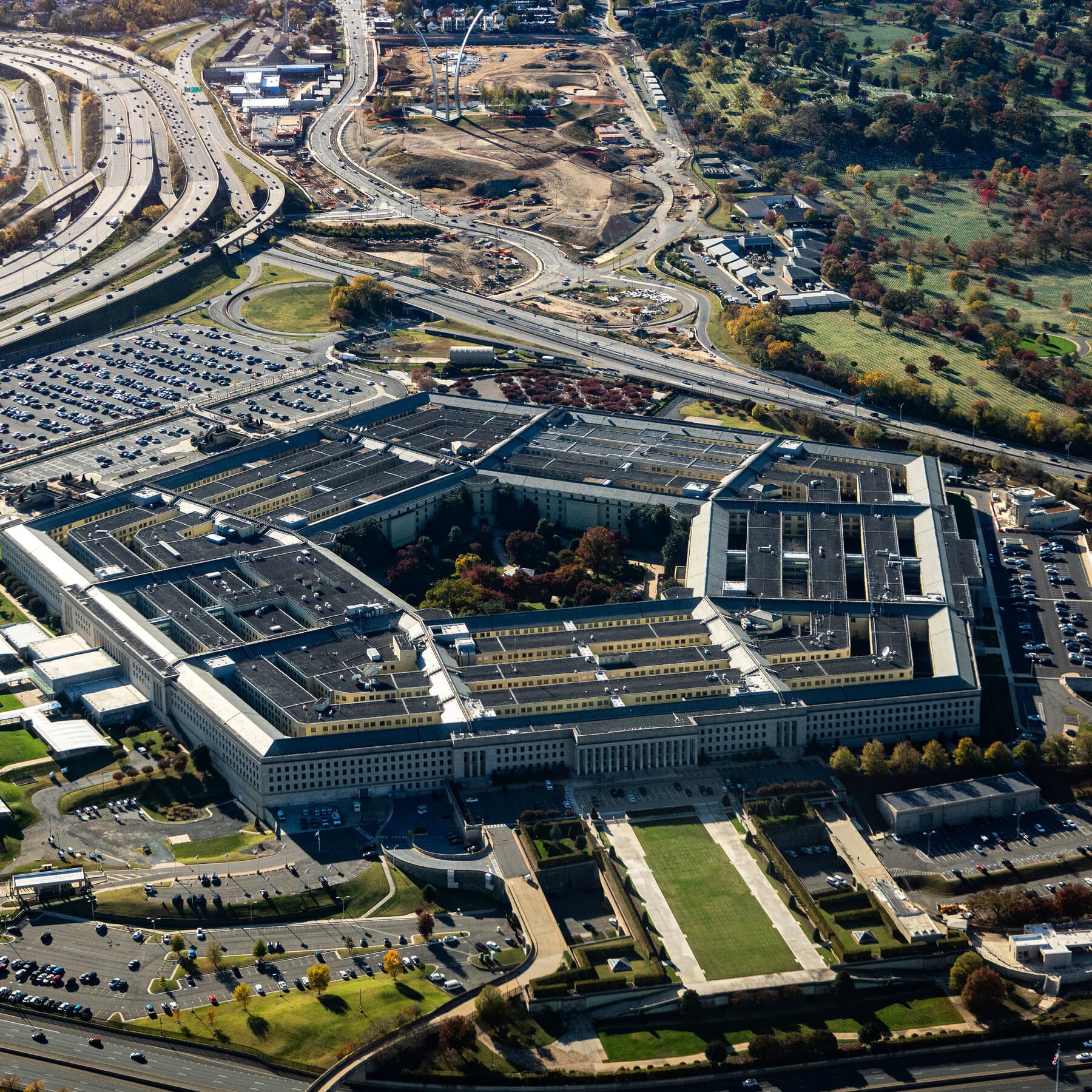
Here's what it means for you.
If you work in defense, tech, or AI, these agreements could reshape your industry landscape.
Why it matters
The U.S. Department of Defense's integration of AI technologies into classified networks signals a significant shift in military operations and defense strategies.
What happened (in 30 seconds)
- On May 1, 2026, the U.S. Department of Defense announced agreements with seven AI companies to deploy their technologies on classified military networks.
- The agreements allow for the lawful use of AI in critical military applications, including target generation and intelligence analysis.
- This initiative aims to transform the U.S. military into an AI-first fighting force, following a dispute with Anthropic over usage terms.
The context you actually need
- Geopolitical competition in AI has intensified, prompting the Pentagon to accelerate its adoption of AI technologies.
- Anthropic's resistance to broad-use terms led to its exclusion as a supplier, highlighting the challenges of vendor lock-in in defense contracts.
- The agreements with companies like OpenAI, Google, and Microsoft aim to enhance military capabilities while ensuring flexibility in technology sourcing.
What's really happening
The U.S. Department of Defense (DoD) is taking decisive steps to modernize its military capabilities through the integration of artificial intelligence (AI) technologies. This move comes amid escalating geopolitical tensions and a race for technological supremacy in AI. The agreements with seven leading AI companies—OpenAI, Google, SpaceX, NVIDIA, Microsoft, Amazon Web Services, and Reflection AI—represent a strategic pivot towards an AI-first military approach.
The backdrop to these agreements is a significant dispute with Anthropic, the initial sole provider of AI for classified networks. In early 2026, the Pentagon issued an ultimatum to Anthropic, demanding broader lawful use of its AI technologies. Anthropic's refusal, citing concerns over autonomous weapons and surveillance, led to its exclusion from the supply chain. This incident underscores the complexities and risks associated with relying on a single vendor for critical military technologies.
The agreements allow the DoD to deploy AI models for various applications, including target generation and intelligence analysis, on Impact Level 6 (secret) and Level 7 (top secret) networks. By diversifying its partnerships, the Pentagon aims to prevent vendor lock-in and enhance its operational flexibility. This strategy not only mitigates risks associated with a single supplier but also fosters innovation by leveraging the strengths of multiple tech giants.
The integration of AI into military operations is expected to streamline decision-making processes and improve the efficiency of intelligence operations. As the Pentagon transitions to an AI-first fighting force, it will likely influence defense strategies and operational tactics. The implications extend beyond military applications, as advancements in AI technology could spill over into commercial sectors, impacting industries such as cybersecurity, logistics, and data analysis.
Moreover, the agreements have sparked reactions within the tech community. While some employees at companies like Google and OpenAI have protested military AI use, the overall market response has been positive, with minor stock gains reported for the involved firms. NVIDIA's CEO has even endorsed open-source models for national security, indicating a broader acceptance of AI's role in defense.
As the DoD moves forward with these agreements, the legal implications of the Anthropic dispute may continue to unfold, potentially shaping future contracts and partnerships in the defense sector.
Who feels it first (and how)
- Defense contractors: Companies involved in military contracts will need to adapt to new AI technologies and capabilities.
- Tech employees: Workers at AI firms may face ethical dilemmas and protests regarding military applications of their technologies.
- Government agencies: Agencies involved in national security will need to integrate these AI capabilities into their operations.
- Investors: Stakeholders in the tech sector may see shifts in stock performance based on the success of these military partnerships.
What to watch next
- Integration progress: Monitor how quickly and effectively these AI technologies are integrated into military operations, as this will impact defense capabilities.
- Legal developments: Watch for any legal ramifications stemming from the Anthropic dispute, which could influence future contracts and partnerships.
- Market reactions: Keep an eye on stock performance and public sentiment towards military AI use, as this may affect tech companies' strategies.
The Pentagon has secured agreements with seven AI companies for classified network deployment.
The integration of AI will enhance military capabilities and operational efficiency.
The long-term implications of the Anthropic dispute on future defense contracts remain uncertain.
Frequently Asked Questions
- Why it matters?
- The U.S. Department of Defense's integration of AI technologies into classified networks signals a significant shift in military operations and defense strategies.
- What happened (in 30 seconds)?
- On May 1, 2026, the U.S. Department of Defense announced agreements with seven AI companies to deploy their technologies on classified military networks. The agreements allow for the lawful use of AI in critical military applications, including target generation and intelligence analysis. This initiative aims to transform the U.S. military into an AI-first fighting force, following a dispute with Anthropic over usage terms.
- What's really happening?
- The U.S. Department of Defense (DoD) is taking decisive steps to modernize its military capabilities through the integration of artificial intelligence (AI) technologies. This move comes amid escalating geopolitical tensions and a race for technological supremacy in AI. The agreements with seven leading AI companies—OpenAI, Google, SpaceX, NVIDIA, Microsoft, Amazon Web Services, and Reflection AI—represent a strategic pivot towards an AI-first military approach. The backdrop to these agreements
- Who feels it first (and how)?
- Defense contractors: Companies involved in military contracts will need to adapt to new AI technologies and capabilities. Tech employees: Workers at AI firms may face ethical dilemmas and protests regarding military applications of their technologies. Government agencies: Agencies involved in national security will need to integrate these AI capabilities into their operations. Investors: Stakeholders in the tech sector may see shifts in stock performance based on the success of these military pa
- What to watch next?
- Integration progress: Monitor how quickly and effectively these AI technologies are integrated into military operations, as this will impact defense capabilities. Legal developments: Watch for any legal ramifications stemming from the Anthropic dispute, which could influence future contracts and partnerships. Market reactions: Keep an eye on stock performance and public sentiment towards military AI use, as this may affect tech companies' strategies.
Tech industry coverage with AI angles.
"Mainstream tech news intersecting with AI policy and culture."
— A47 Editor
Pentagon Makes Deals With A.I. Companies to Expand Classified Work
The Pentagon has entered into agreements with various artificial intelligence companies to enhance classified military operations, amidst ongoing tensions with Anthropic regarding the use of its AI models for military applications. This comes as the ...
Tech policy, trends, and innovation news.
"The New York Times is a globally recognized newspaper offering authoritative reporting with a center-left editorial stance."
— A47 Editor
Pentagon Makes Deals With A.I. Companies to Expand Classified Work
The Pentagon has entered into agreements with various artificial intelligence companies to enhance classified military operations, amidst ongoing tensions with Anthropic regarding the use of its AI models for military applications. This comes as the ...
Global news coverage with extensive reporting on Middle Eastern conflicts and geopolitics.
"Al Jazeera is a Qatar-based broadcaster known for wide regional coverage and alternative perspectives."
— A47 Editor
Pentagon announces deal with seven AI companies for classified systems
The Pentagon has announced a deal with seven artificial intelligence companies to enhance its classified systems, marking a significant step in the military's integration of AI technology. This development comes amid ongoing tensions related to the c...
Comprehensive coverage of Middle Eastern and global issues.
"Al Jazeera is a prominent voice from the Global South, especially the Middle East, with an emphasis on underreported stories."
— A47 Editor
Pentagon announces deal with seven AI companies for classified systems
The Pentagon has announced a significant agreement with seven leading artificial intelligence companies, including OpenAI, Google, and Nvidia, to develop classified military systems. This move comes amid ongoing discussions about the ethical implicat...
Market-moving headlines impacting equities, bonds, and related risk assets.
"Real-time catalysts and volatility drivers across indices and sectors."
— A47 Editor
Pentagon reaches agreements with top AI companies, but not Anthropic
The Pentagon has reached agreements with several leading artificial intelligence companies, including Google, Microsoft, and Amazon, but has not finalized a contract with Anthropic, which was previously set for a $200 million deal. This decision come...
Regional and international reporting focused on Middle Eastern politics, diplomacy, and economics.
"Asharq Al-Awsat is a Saudi-owned international newspaper reflecting mainstream Gulf political perspectives."
— A47 Editor
Pentagon Reaches Agreements with Top AI Companies, but Not Anthropic
The Pentagon has reached agreements with several leading artificial intelligence companies, including OpenAI, Google, and Nvidia, to enhance its classified military systems, while notably excluding Anthropic from these partnerships. This decision com...
Consumer tech and culture with frequent AI coverage.
"Influential tech outlet covering AI products and policy."
— A47 Editor
Pentagon strikes classified AI deals with OpenAI, Google, and Nvidia — but not Anthropic
The Pentagon has finalized agreements with major tech companies, including OpenAI, Google, Microsoft, Amazon, Nvidia, and xAI, to utilize their artificial intelligence tools in classified military operations, while notably excluding Anthropic, which ...
Tech news, reviews, and analysis of consumer electronics, science, art, and culture.
"The Verge is a technology-focused media outlet known for in-depth reporting, product reviews, and coverage of the intersection between technology and culture."
— A47 Editor
Pentagon strikes classified AI deals with OpenAI, Google, and Nvidia — but not Anthropic
The Pentagon has finalized agreements with major tech companies, including OpenAI, Google, Microsoft, Amazon, Nvidia, and xAI, to utilize their artificial intelligence tools in classified military operations, while notably excluding Anthropic, which ...
Tech business coverage, major deals, product launches, and Silicon Valley trends.
"WSJ’s tech section offers authoritative reporting on the intersection of technology and business, including exclusive industry analysis."
— A47 Editor
Top AI Companies Agree to Pentagon Deals for Classified Work
Major AI companies have entered into agreements with the Pentagon to provide artificial intelligence solutions for classified military operations, following the Defense Department's designation of Anthropic as a supply-chain risk. This designation ha...
Technology business news, market impacts, and innovation trends.
"Bloomberg is a premier financial and tech news provider, respected for its in-depth reporting and analytical rigor."
— A47 Editor
White House AI Memo Hits Issues in Anthropic-Pentagon Feud
White House officials are drafting a comprehensive artificial intelligence policy memo aimed at national security agencies, addressing the ongoing conflict between the Pentagon and Anthropic PBC regarding the military use of the company's AI technolo...
Technology business and AI-related headlines.
"Data-driven tech newsroom with global scope."
— A47 Editor
White House AI Memo Hits Issues in Anthropic-Pentagon Feud
White House officials are drafting a comprehensive artificial intelligence policy memo aimed at national security agencies, addressing the ongoing conflict between the Pentagon and Anthropic PBC regarding the military use of the company's AI technolo...
Daily AI news: models, tools, and policy.
"Independent outlet tracking the fast pace of AI."
— A47 Editor
White House moves to restore Anthropic access after Pentagon standoff
The White House is drafting guidance to restore access for federal agencies to Anthropic, an AI company, following a standoff with the Pentagon. This move includes allowing the use of Anthropic's new model, Mythos, which is designed to enhance cybers...