
Levi Strauss & Co. Increases Fiscal 2025 Guidance After Strong Q3 Performance
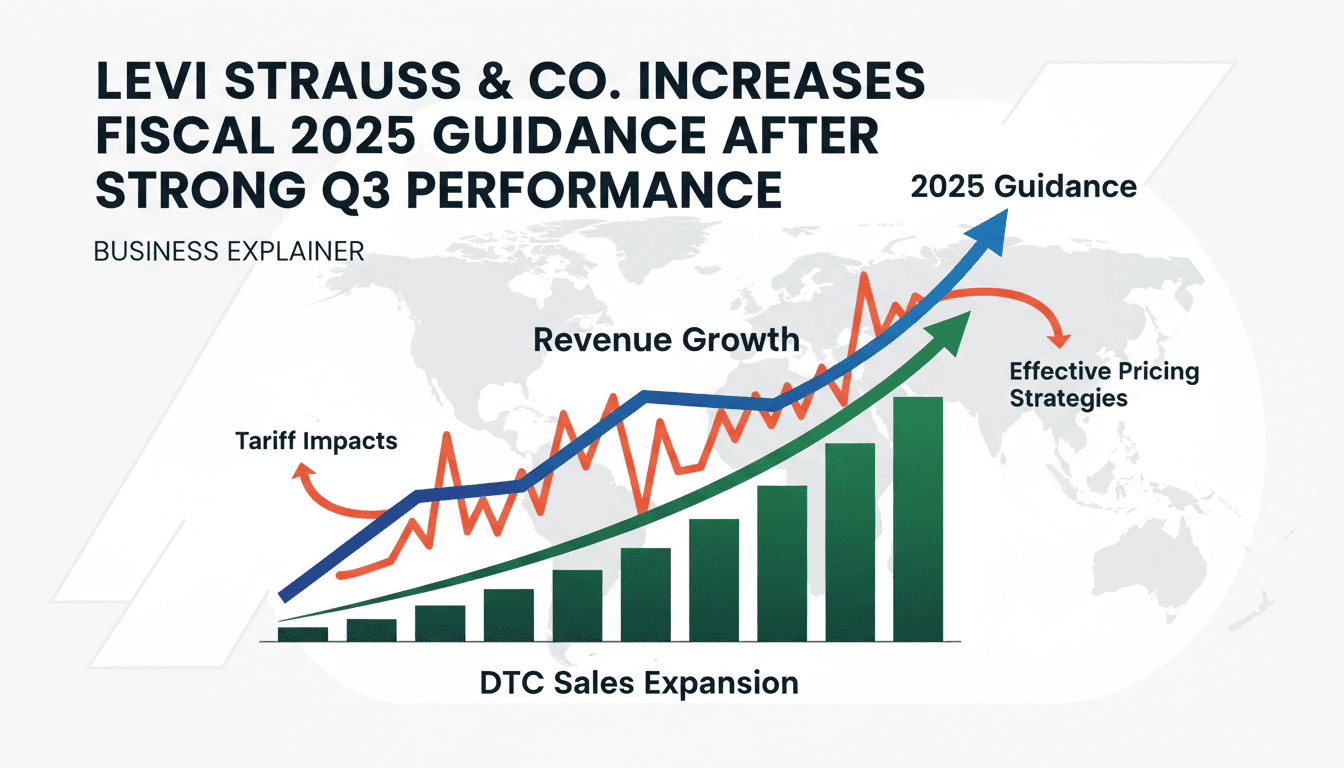
Here's what it means for you.
If you're in retail or fashion, Levi's strategic pivot could signal broader trends in consumer behavior and pricing strategies.
Why it matters
Levi Strauss's guidance increase reflects a significant shift in retail dynamics, emphasizing direct-to-consumer sales amid rising tariff pressures.
What happened (in 30 seconds)
- Levi Strauss & Co. raised its fiscal 2025 revenue and earnings guidance after reporting a 7% increase in Q3 net revenues to $1.5 billion.
- Direct-to-consumer (DTC) sales surged, contributing $711 million, or 46% of total revenues, highlighting a successful pivot in strategy.
- Tariff concerns led to a 7-12% decline in shares post-announcement, despite the positive earnings report, indicating investor caution.
The context you actually need
- Post-pandemic challenges: Levi Strauss faced difficulties with wholesale dependency and changing consumer preferences, prompting a strategic overhaul.
- Leadership change: CEO Michelle Gass's appointment in 2024 initiated a turnaround focused on DTC channels and product diversification.
- Market expansion: The company is actively expanding in high-growth regions like Asia, which saw a 12% revenue increase, crucial for future growth.
What's really happening
Levi Strauss's recent earnings report illustrates a company in the midst of a strategic transformation aimed at revitalizing its brand and financial performance. The 7% increase in net revenues to $1.5 billion for Q3 FY2025, alongside a notable 11% rise in DTC sales, underscores the effectiveness of the company's pivot towards direct consumer engagement. This shift is not merely a response to market trends but a calculated strategy to reduce reliance on traditional wholesale channels that have become increasingly volatile in the post-pandemic landscape.
The company's leadership, under CEO Michelle Gass, has prioritized direct-to-consumer sales, which accounted for 46% of total revenues in the latest quarter. This focus not only enhances profit margins by eliminating middlemen but also aligns with evolving consumer preferences for personalized shopping experiences. As consumers increasingly seek brands that resonate with their values and lifestyles, Levi's emphasis on product diversification—expanding beyond denim into tops and women's apparel—positions it well to capture a broader market share.
However, the optimism surrounding the guidance raise is tempered by external pressures, particularly from tariffs. Investors reacted cautiously, with shares declining 7-12% post-announcement, reflecting concerns about the potential impact of tariffs on margins. The company anticipates a gross margin hit of 130 basis points in Q4 due to these external factors, which complicates the narrative of a straightforward recovery. Despite these challenges, Levi's proactive approach to pricing strategies and regional expansion, particularly in Asia, indicates a robust plan to mitigate risks and capitalize on growth opportunities.
The elevated guidance for fiscal 2025—projecting approximately 6% organic net revenue growth—demonstrates confidence in the company's trajectory. However, the reliance on stable tariffs at 30% on China and 20% on the rest of the world introduces an element of uncertainty. As Levi Strauss navigates these complexities, its ability to adapt to market conditions will be crucial in sustaining momentum and achieving long-term success.
Who feels it first (and how)
- Retail Investors: Immediate impact on stock prices and investment strategies due to tariff concerns.
- Consumers in Asia: Increased product availability and DTC access as the company expands its market presence.
- Employees in Retail: Potential shifts in job roles and responsibilities as the company emphasizes DTC channels over wholesale.
What to watch next
- Tariff developments: Monitoring changes in tariff policies will be crucial for understanding potential impacts on Levi's margins and pricing strategies.
- DTC growth metrics: Continued tracking of DTC revenue growth will indicate the effectiveness of Levi's strategic pivot and consumer engagement.
- Market expansion results: Observing performance in Asia and other high-growth regions will provide insights into the success of Levi's diversification efforts.
Levi Strauss's Q3 FY2025 revenues increased by 7% to $1.5 billion.
Continued focus on DTC sales will shape future revenue growth and market strategies.
The long-term impact of tariff pressures on profit margins and overall financial health remains uncertain.
Frequently Asked Questions
- Why it matters?
- Levi Strauss's guidance increase reflects a significant shift in retail dynamics, emphasizing direct-to-consumer sales amid rising tariff pressures.
- What happened (in 30 seconds)?
- Levi Strauss & Co. raised its fiscal 2025 revenue and earnings guidance after reporting a 7% increase in Q3 net revenues to $1.5 billion. Direct-to-consumer (DTC) sales surged, contributing $711 million, or 46% of total revenues, highlighting a successful pivot in strategy. Tariff concerns led to a 7-12% decline in shares post-announcement, despite the positive earnings report, indicating investor caution.
- What's really happening?
- Levi Strauss's recent earnings report illustrates a company in the midst of a strategic transformation aimed at revitalizing its brand and financial performance. The 7% increase in net revenues to $1.5 billion for Q3 FY2025, alongside a notable 11% rise in DTC sales, underscores the effectiveness of the company's pivot towards direct consumer engagement. This shift is not merely a response to market trends but a calculated strategy to reduce reliance on traditional wholesale channels that have b
- Who feels it first (and how)?
- Retail Investors: Immediate impact on stock prices and investment strategies due to tariff concerns. Consumers in Asia: Increased product availability and DTC access as the company expands its market presence. Employees in Retail: Potential shifts in job roles and responsibilities as the company emphasizes DTC channels over wholesale.
- What to watch next?
- Tariff developments: Monitoring changes in tariff policies will be crucial for understanding potential impacts on Levi's margins and pricing strategies. DTC growth metrics: Continued tracking of DTC revenue growth will indicate the effectiveness of Levi's strategic pivot and consumer engagement. Market expansion results: Observing performance in Asia and other high-growth regions will provide insights into the success of Levi's diversification efforts.
U.S. business news, corporate developments, and economy.
"The Wall Street Journal is respected for deep financial and economic reporting with a center-right editorial perspective."
— A47 Editor
Levi Strauss Raises Fiscal-Year Guidance as Turnaround Bears Fruit
Levi Strauss has raised its fiscal-year guidance following a successful quarter that saw a 14% increase in revenue and higher profits, attributed to growth across various channels, regions, and product categories.
Quarterly results: revenue/EPS beats or misses, guidance changes, and key line-item takeaways.
"Good snapshot feed for earnings season; pair with transcripts for context."
— A47 Editor
Levi Strauss A earnings beat by $0.05, revenue topped estimates
Levi Strauss reported earnings that exceeded analyst expectations by $0.05 per share, with revenue also surpassing estimates, reflecting a positive financial performance for the company.