
Russia and China veto UN resolution on Strait of Hormuz navigation security
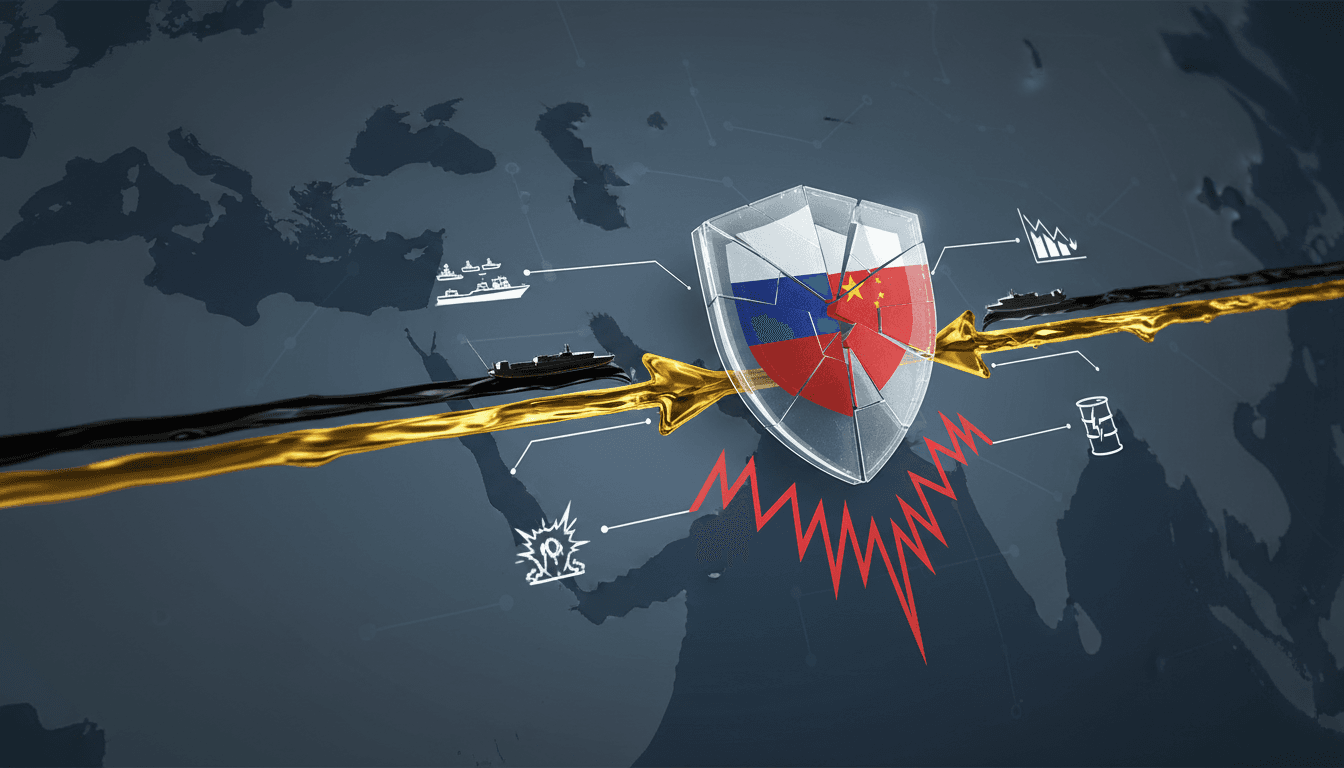
Here's what it means for you.
Increased energy prices and supply chain disruptions could impact your cost of living and business operations.
Why it matters
The Strait of Hormuz is a critical chokepoint for global oil supplies, and disruptions here can lead to significant economic volatility.
What happened (in 30 seconds)
- Russia and China vetoed a UN Security Council resolution on April 7, 2026, aimed at ensuring navigation security in the Strait of Hormuz.
- The resolution received 11 votes in favor but failed due to the vetoes from Russia and China, alongside two abstentions.
- This decision follows escalating tensions from the US-Israel-Iran conflict, which has already disrupted navigation and raised oil prices.
The context you actually need
- The Strait of Hormuz handles approximately 20% of global petroleum liquids, making it vital for energy security.
- Iran's military actions against Gulf states have prompted international calls for protective measures, leading to the proposed resolution.
- Bahrain, as the rotating president of the UNSC, drafted the resolution in response to ongoing threats to navigation, but faced opposition from permanent members.
What's really happening
The veto by Russia and China reflects a broader geopolitical strategy that prioritizes their alignment against Western influence, particularly in the Middle East. The US-Israel-Iran conflict has intensified since military operations began on February 28, 2026, leading to Iran's retaliatory strikes on Gulf Arab infrastructure. This has created a precarious situation in the Strait of Hormuz, where about 20% of global petroleum liquids transit daily.
Bahrain's resolution aimed to authorize defensive measures, including the escort of commercial vessels, to ensure safe passage through this critical waterway. However, the proposal faced significant pushback from Russia and China, who opposed any language that implied military intervention. Their veto not only stalled the resolution but also highlighted their strategic partnership in countering US-led initiatives.
The implications of this veto extend beyond immediate navigation concerns. Oil prices surged following the vote, reflecting market anxiety over potential supply disruptions. The failure of the resolution has left Gulf states vulnerable to further Iranian aggression, which could escalate tensions and lead to more severe disruptions in oil supply. This volatility is likely to affect global energy markets, increasing costs for consumers and businesses alike.
Moreover, the veto underscores a shift in global power dynamics, where Russia and China are increasingly willing to challenge Western authority in international forums. This alignment may embolden Iran and other regional actors, leading to a more unstable geopolitical environment. As energy prices rise, consumers in regions like Dubai will feel the impact through increased fuel costs and potential shortages in imported goods, as shipping routes are adjusted to avoid conflict zones.
The situation is further complicated by the fact that the United States, while supportive of Bahrain's resolution, has limited options for direct intervention without escalating the conflict. This leaves Gulf states to navigate a precarious balance of power, relying on alternative supply chains and diplomatic efforts to mitigate the fallout from the veto.
Who feels it first (and how)
- Consumers in Dubai: Experience rising fuel and energy costs, affecting daily expenses.
- Shipping companies: Face increased insurance premiums and rerouted logistics, impacting delivery times and costs.
- Gulf state economies: Encounter economic pressures from halted oil exports and potential retaliatory actions from Iran.
- Global energy markets: React to volatility, influencing prices and availability of petroleum products worldwide.
What to watch next
- Oil price fluctuations: Monitor how prices respond to ongoing tensions and market adjustments, as they directly affect consumer costs.
- Shipping route adjustments: Watch for changes in logistics strategies as companies reroute to avoid the Strait of Hormuz, impacting delivery times and costs.
- Geopolitical developments: Keep an eye on diplomatic efforts by Gulf states to secure navigation rights and potential military responses to Iranian actions.
The Strait of Hormuz is crucial for global oil transit, with 20% of petroleum liquids passing through.
Energy prices will continue to rise as market volatility persists due to geopolitical tensions.
The long-term impact of the veto on US-Iran relations and Gulf state security strategies remains uncertain.
Frequently Asked Questions
- Why it matters?
- The Strait of Hormuz is a critical chokepoint for global oil supplies, and disruptions here can lead to significant economic volatility.
- What happened (in 30 seconds)?
- Russia and China vetoed a UN Security Council resolution on April 7, 2026, aimed at ensuring navigation security in the Strait of Hormuz. The resolution received 11 votes in favor but failed due to the vetoes from Russia and China, alongside two abstentions. This decision follows escalating tensions from the US-Israel-Iran conflict, which has already disrupted navigation and raised oil prices.
- What's really happening?
- The veto by Russia and China reflects a broader geopolitical strategy that prioritizes their alignment against Western influence, particularly in the Middle East. The US-Israel-Iran conflict has intensified since military operations began on February 28, 2026, leading to Iran's retaliatory strikes on Gulf Arab infrastructure. This has created a precarious situation in the Strait of Hormuz, where about 20% of global petroleum liquids transit daily. Bahrain's resolution aimed to authorize defensi
- Who feels it first (and how)?
- Consumers in Dubai: Experience rising fuel and energy costs, affecting daily expenses. Shipping companies: Face increased insurance premiums and rerouted logistics, impacting delivery times and costs. Gulf state economies: Encounter economic pressures from halted oil exports and potential retaliatory actions from Iran. Global energy markets: React to volatility, influencing prices and availability of petroleum products worldwide.
- What to watch next?
- Oil price fluctuations: Monitor how prices respond to ongoing tensions and market adjustments, as they directly affect consumer costs. Shipping route adjustments: Watch for changes in logistics strategies as companies reroute to avoid the Strait of Hormuz, impacting delivery times and costs. Geopolitical developments: Keep an eye on diplomatic efforts by Gulf states to secure navigation rights and potential military responses to Iranian actions.
English-language reporting on Saudi politics, policy, and society.
"Saudi Gazette reflects mainstream Saudi institutional perspectives."
— A47 Editor
Russia, China veto UN resolution on Hormuz navigation security
The UN Security Council's attempt to adopt a resolution aimed at ensuring freedom of navigation in the Strait of Hormuz was thwarted on Tuesday when Russia and China exercised their veto power. The Bahrain-drafted resolution garnered 11 votes in favo...
Regional coverage and analysis focused on politics, diplomacy, and business across the Middle East.
"Al-Monitor is known for analytical reporting on Middle East politics and policy developments."
— A47 Editor
China and Russia veto U.N. resolution on protecting Hormuz shipping
On April 7, 2026, China and Russia vetoed a resolution proposed by Bahrain in the U.N. Security Council aimed at enhancing the protection of commercial shipping in the Strait of Hormuz. The resolution received 11 votes in favor but failed to pass due...
Arabic-language UAE newspaper coverage focused on domestic affairs, public institutions, business, society, and regional developments.
"Al Khaleej coverage generally reflects a mainstream UAE editorial lens with strong attention to public affairs, institutions, and regional developments."
— A47 Editor
فيتو روسي-صيني يحبط مشروع قرار في مجلس الأمن بشأن فتح مضيق هرمز
The United Nations Security Council failed to pass a resolution aimed at opening the Strait of Hormuz, a crucial waterway for global oil transportation. This decision comes amid ongoing geopolitical tensions and highlights the challenges faced by the...
UAE-based English-language newspaper covering regional politics, economics, and global affairs.
"The National reflects Emirati policy perspectives while maintaining international editorial standards."
— A47 Editor
Russia and China block UN resolution calling for reopening of Strait of Hormuz
On April 7, 2026, Russia and China vetoed a United Nations Security Council resolution aimed at reopening the Strait of Hormuz, a crucial maritime route for global oil shipments. The resolution, proposed by Bahrain and backed by the United States, ga...