
United States Implements Naval Blockade on Iranian Ports Amid Truce Negotiations
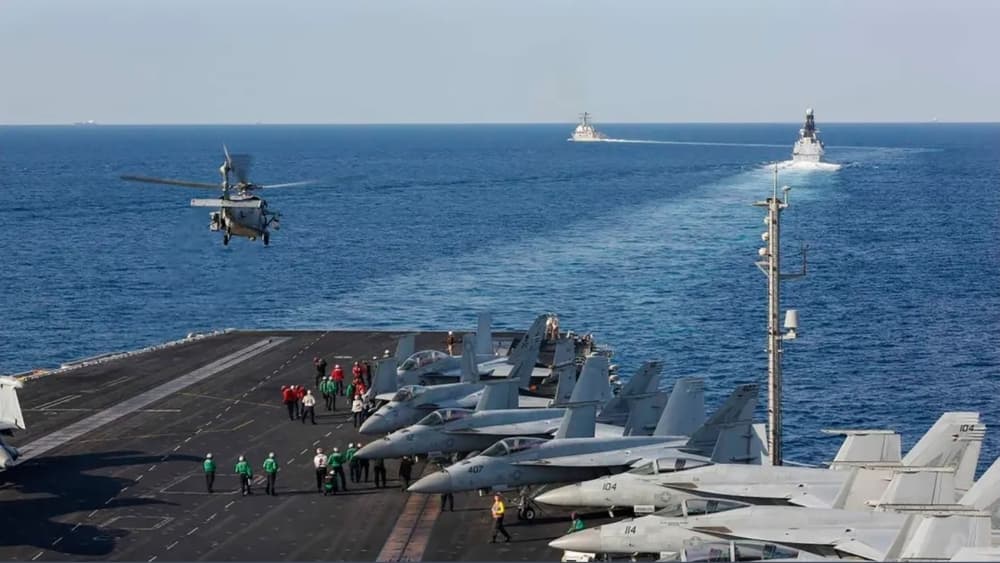
Here's what it means for you.
Rising oil prices and potential supply chain disruptions could impact your costs and economic stability.
Why it matters
The blockade intensifies geopolitical tensions, affecting global oil markets and energy prices.
What happened (in 30 seconds)
- On April 16, 2026, the US fully enforced a naval blockade on Iranian ports amid a fragile truce.
- Pakistan is mediating a potential two-week truce extension while US-Iran talks are anticipated.
- Oil prices surged past $100 per barrel following the blockade, raising concerns over global energy supply.
The context you actually need
- The blockade follows a two-week ceasefire brokered by Pakistan after intense fighting disrupted oil flows.
- Direct US-Iran talks in Islamabad collapsed over uranium enrichment limits and maritime access, prompting the blockade.
- Regional instability is heightened by prior conflicts involving Houthi forces, complicating the geopolitical landscape.
What's really happening
The US naval blockade on Iranian ports is a strategic maneuver aimed at exerting economic pressure on Iran regarding its nuclear activities and maritime navigation through the vital Strait of Hormuz. This waterway is crucial for global oil transport, with approximately 20% of the world's oil passing through it. The blockade serves as leverage in ongoing negotiations, particularly as the US seeks to limit Iran's uranium enrichment capabilities, which have been a point of contention since the collapse of the Joint Comprehensive Plan of Action (JCPOA).
The blockade's enforcement by US Central Command, utilizing warships and aircraft, is a clear signal of the US's commitment to maintaining its stance against Iran's nuclear ambitions. The timing is critical; with oil prices already surging past $100 per barrel, the US aims to deter Iran from further escalation while simultaneously reassuring its allies in the Gulf States and Europe. The blockade is not merely a military action but a calculated economic strategy designed to influence Iran's decision-making process.
As the blockade takes effect, Iran has condemned the action as a violation of its sovereignty, threatening regional retaliation. This response underscores the delicate balance of power in the region, where any miscalculation could lead to broader conflict. The US, while maintaining pressure, has indicated a willingness to engage in talks, suggesting that the blockade could be a temporary measure rather than a long-term strategy.
Pakistan's role as a mediator is also significant. By facilitating dialogue between the US and Iran, Pakistan aims to stabilize the region and prevent further escalation of hostilities. The ongoing negotiations for a truce extension reflect the fragile nature of the current situation, with both sides aware that prolonged conflict could have dire consequences for global energy markets.
The implications of this blockade extend beyond immediate military and diplomatic concerns. The potential for supply shocks and demand destruction in the energy sector could lead to inflationary pressures, particularly in regions heavily reliant on oil imports, such as the UAE. As Dubai residents face elevated fuel prices and aviation costs, the economic ripple effects of the blockade will be felt across various sectors, from transportation to consumer goods.
Who feels it first (and how)
- Consumers in Dubai: Higher fuel prices and increased costs for goods and services.
- Energy sector professionals: Volatility in oil markets affecting job stability and investment.
- Logistics and shipping companies: Disruptions in supply chains due to blocked maritime routes.
- Governments in Gulf States: Increased security measures and economic pressures from rising oil prices.
What to watch next
- Truce negotiations: The outcome of Pakistan's mediation efforts will determine the immediate future of US-Iran relations and regional stability.
- Oil price fluctuations: Continued volatility in oil prices will impact global markets and consumer costs, particularly in energy-dependent economies.
- Military movements: Any escalation in military presence or actions in the region could signal a shift towards increased conflict or a new phase in negotiations.
The US has fully implemented the naval blockade on Iranian ports.
Ongoing negotiations will continue, with potential for a truce extension.
The long-term impact on global oil prices and regional stability remains uncertain.
Frequently Asked Questions
- Why it matters?
- The blockade intensifies geopolitical tensions, affecting global oil markets and energy prices.
- What happened (in 30 seconds)?
- On April 16, 2026, the US fully enforced a naval blockade on Iranian ports amid a fragile truce. Pakistan is mediating a potential two-week truce extension while US-Iran talks are anticipated. Oil prices surged past $100 per barrel following the blockade, raising concerns over global energy supply.
- What's really happening?
- The US naval blockade on Iranian ports is a strategic maneuver aimed at exerting economic pressure on Iran regarding its nuclear activities and maritime navigation through the vital Strait of Hormuz. This waterway is crucial for global oil transport, with approximately 20% of the world's oil passing through it. The blockade serves as leverage in ongoing negotiations, particularly as the US seeks to limit Iran's uranium enrichment capabilities, which have been a point of contention since the coll
- Who feels it first (and how)?
- Consumers in Dubai: Higher fuel prices and increased costs for goods and services. Energy sector professionals: Volatility in oil markets affecting job stability and investment. Logistics and shipping companies: Disruptions in supply chains due to blocked maritime routes. Governments in Gulf States: Increased security measures and economic pressures from rising oil prices.
- What to watch next?
- Truce negotiations: The outcome of Pakistan's mediation efforts will determine the immediate future of US-Iran relations and regional stability. Oil price fluctuations: Continued volatility in oil prices will impact global markets and consumer costs, particularly in energy-dependent economies. Military movements: Any escalation in military presence or actions in the region could signal a shift towards increased conflict or a new phase in negotiations.
Arabic-language coverage of political affairs and current events.
"Okaz political coverage typically follows mainstream Saudi framing on national and regional affairs."
— A47 Editor
خيار «تمديد الهدنة».. على طاولة المفاوضات الأمريكية- الإيرانية
The two-week ceasefire agreement between the United States and Iran is set to expire in four days, with ongoing behind-the-scenes negotiations suggesting a potential two-week extension to allow more time for peace talks, as reported by Bloomberg. The...
Coverage of political affairs and regional developments from a Saudi perspective.
"Al Watan political coverage typically follows a mainstream Saudi framing of regional and national issues."
— A47 Editor
هدنة تنتظر التمديد تحرك باكستاني وأمريكا تصعد لهجتها
In recent hours, the U.S.-Iranian conflict has entered a critical phase as the U.S. has fully implemented its maritime blockade on Iranian ports. A Pakistani delegation arrived in Iran to convey specific messages and negotiate a two-week extension of...
Arabic-language digital news outlet covering UAE, regional, and international developments with broad general-news coverage.
"Al Ain News coverage typically blends UAE-focused reporting with wider Arab regional and international news."
— A47 Editor
واشنطن تشدد الضغط.. خلافات بين إيران وأمريكا رغم الوساطة
Tensions persist between the United States and Iran despite the passage of two weeks into a designated ceasefire period, as Washington intensifies its pressure on Tehran. The ongoing disagreements highlight the fragility of diplomatic efforts in the ...
Arabic-language UAE newspaper coverage focused on domestic affairs, public institutions, business, society, and regional developments.
"Al Khaleej coverage generally reflects a mainstream UAE editorial lens with strong attention to public affairs, institutions, and regional developments."
— A47 Editor
بلومبرغ: واشنطن وطهران تدرسان تمديد وقف إطلاق النار أسبوعين
Bloomberg reported on Wednesday that the United States and Iran are considering extending the ceasefire by two weeks. This development indicates ongoing diplomatic efforts between the two nations amid tensions in the region.
Arabic-language political and world news coverage for UAE readers.
"Emarat Al Youm world coverage usually presents international developments through a UAE and Arab audience lens."
— A47 Editor
الولايات المتحدة تنفي تمديد وقف إطلاق النار مع إيران الولايات المتحدة تنفي تمديد وقف إطلاق النار مع إيران
A senior U.S. official stated to AFP on Wednesday that the United States has not officially agreed to extend the ceasefire with Iran. This announcement comes amid ongoing tensions between the two nations.