
Global Efforts to Secure Submarine Cables Escalate Amid Rising Geopolitical Threats
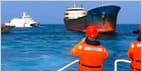
Here's what it means for you.
As global tensions rise, the protection of submarine cables is crucial for maintaining uninterrupted international data flow, impacting everything from business operations to personal communications.
Why it matters
The integrity of submarine cables is essential for global connectivity, influencing economic stability and security across nations.
What happened (in 30 seconds)
- In 2024, a Russia-linked vessel severed key submarine cables in the Baltic Sea, prompting NATO's Operation Baltic Sentry to enhance protection efforts.
- From 2023 to 2025, multiple suspicious cuts near Taiwan raised alarms, leading to increased patrols and investigations by local authorities.
- By April 2026, a global initiative involving governments, militaries, and tech firms began deploying advanced monitoring and rerouting strategies to safeguard these critical infrastructures.
The context you actually need
- Submarine cables carry approximately 99% of international data traffic, making them vital for communications, finance, and military operations.
- Historically, submarine cable disruptions have been largely accidental or natural, with no verified state-sponsored cuts since World War II, until recent geopolitical tensions.
- The rise of AI and digital demands is driving a boom in cable expansion, with 119 new systems planned by early 2026, up from 66 in 2020.
What's really happening
The global race to protect submarine cables is intensifying due to heightened geopolitical tensions, particularly involving Russia and China. Following the severance of cables in the Baltic Sea linked to Russian activities, NATO initiated Operation Baltic Sentry in January 2025. This operation employs a combination of ships, drones, and uncrewed vessels to patrol and deter potential threats to these critical infrastructures.
In parallel, Taiwan has faced repeated incidents of cable cuts, leading to increased coast guard patrols and legal actions against suspected perpetrators. The Taiwanese government has detained vessels and imposed penalties to deter future sabotage, reflecting a broader trend of nations taking proactive measures to secure their digital lifelines.
The vulnerability of submarine cables is exacerbated by their physical characteristics. While they are armored, their slender design (approximately 1.4 inches in diameter) makes them susceptible to various threats, including ship anchors, fishing gear, and deliberate sabotage. The International Cable Protection Committee reports 150 to 200 faults annually, primarily due to accidental or natural causes. However, the recent geopolitical climate has raised suspicions about state-sponsored disruptions, particularly given the strategic importance of these cables for military and economic communications.
As nations respond to these threats, innovative technologies are emerging to enhance cable protection. Companies like Lumetec are developing distributed acoustic sensing systems that can detect vessel types based on vibrations, while Anduril Industries has introduced sonar arrays through its Seabed Sentry technology. These advancements are part of a broader strategy to create resilient networks capable of withstanding potential disruptions.
Moreover, countries like Singapore are expanding their submarine cable infrastructure, aiming to double their capacity and create additional landing points for quicker traffic diversion. This diversification strategy is crucial for maintaining connectivity, especially in light of rising tensions in regions like the South China Sea and the Strait of Hormuz.
The aftermath of these developments has seen NATO crediting Operation Baltic Sentry with a reduction in suspected incidents until late 2025. Meanwhile, Taiwan's enforcement of penalties and expanded patrols reflects a commitment to safeguarding its digital infrastructure. The industry is prioritizing diversification, with Singapore enhancing its cable landings to facilitate rapid traffic redirection.
Despite these efforts, the geopolitical landscape remains fraught with uncertainty. China has denied involvement in the cable cuts near Taiwan, attributing them to smuggling activities, while Russia has similarly rejected any accusations of sabotage. As the demand for AI-driven technologies continues to surge, the pressure on submarine cable infrastructure will only increase, making their protection a priority for nations worldwide.
Who feels it first (and how)
- Telecommunications companies: Increased operational costs due to enhanced security measures and potential rerouting of cables.
- Governments: Heightened national security concerns and the need for increased military readiness to protect critical infrastructure.
- Businesses relying on data: Potential disruptions in service and increased costs associated with securing data transmission routes.
- Consumers: Possible impacts on internet speeds and reliability, particularly in regions near geopolitical hotspots.
What to watch next
- Increased military presence in key maritime regions: This will indicate how seriously nations are taking the threat to submarine cables and could signal further escalations.
- Technological advancements in cable protection: Innovations from private companies may lead to more effective monitoring and defense strategies, influencing industry standards.
- Legislative actions in major economies: Watch for new bills aimed at enhancing the protection of critical infrastructure, which could reshape the regulatory landscape for telecommunications.
Submarine cables are critical for global data transmission, carrying 99% of international traffic.
Nations will continue to invest in protective measures and technologies to safeguard these infrastructures amid rising geopolitical tensions.
The long-term effectiveness of these protective measures and the potential for new forms of sabotage or disruption.
Frequently Asked Questions
- Why it matters?
- The integrity of submarine cables is essential for global connectivity, influencing economic stability and security across nations.
- What happened (in 30 seconds)?
- In 2024, a Russia-linked vessel severed key submarine cables in the Baltic Sea, prompting NATO's Operation Baltic Sentry to enhance protection efforts. From 2023 to 2025, multiple suspicious cuts near Taiwan raised alarms, leading to increased patrols and investigations by local authorities. By April 2026, a global initiative involving governments, militaries, and tech firms began deploying advanced monitoring and rerouting strategies to safeguard these critical infrastructures.
- What's really happening?
- The global race to protect submarine cables is intensifying due to heightened geopolitical tensions, particularly involving Russia and China. Following the severance of cables in the Baltic Sea linked to Russian activities, NATO initiated Operation Baltic Sentry in January 2025. This operation employs a combination of ships, drones, and uncrewed vessels to patrol and deter potential threats to these critical infrastructures. In parallel, Taiwan has faced repeated incidents of cable cuts, leadi
- Who feels it first (and how)?
- Telecommunications companies: Increased operational costs due to enhanced security measures and potential rerouting of cables. Governments: Heightened national security concerns and the need for increased military readiness to protect critical infrastructure. Businesses relying on data: Potential disruptions in service and increased costs associated with securing data transmission routes. Consumers: Possible impacts on internet speeds and reliability, particularly in regions near geopoliti
- What to watch next?
- Increased military presence in key maritime regions: This will indicate how seriously nations are taking the threat to submarine cables and could signal further escalations. Technological advancements in cable protection: Innovations from private companies may lead to more effective monitoring and defense strategies, influencing industry standards. Legislative actions in major economies: Watch for new bills aimed at enhancing the protection of critical infrastructure, which could reshape the
Curated tech headlines including AI stories.
"Influential aggregator surfacing the day’s top tech/AI links."
— A47 Editor
A look at a global scramble to protect submarine cables vulnerable to potential sabotage, as new monitoring tech like distributed acoustic sensing is developed (Mike Cherney/Wall Street Journal)
A global effort is underway to safeguard submarine cables from potential sabotage, particularly in light of increasing tensions with Russia and China. New technologies, such as distributed acoustic sensing, are being developed to enhance monitoring a...
Global political, business, and cultural coverage from WSJ international desks.
"The Wall Street Journal offers extensive international reporting with a reputation for financial insight and a center-right editorial stance."
— A47 Editor
Inside the Race to Protect Submarine Cables From Sabotage
The U.S. and its allies are implementing advanced technology, increased patrols, and alternative routes to safeguard vital underwater data infrastructure from potential sabotage by Russia and China. This initiative highlights the growing concerns ove...
Tech business coverage, major deals, product launches, and Silicon Valley trends.
"WSJ’s tech section offers authoritative reporting on the intersection of technology and business, including exclusive industry analysis."
— A47 Editor
Inside the Race to Protect Submarine Cables From Sabotage
The U.S. and its allies are implementing advanced technologies, increased patrols, and alternative routes to safeguard vital underwater data infrastructure from potential sabotage by Russia and China. This initiative highlights the growing concerns o...