
Trump Signs Executive Order for 100 Percent Tariffs on Imported Pharmaceuticals
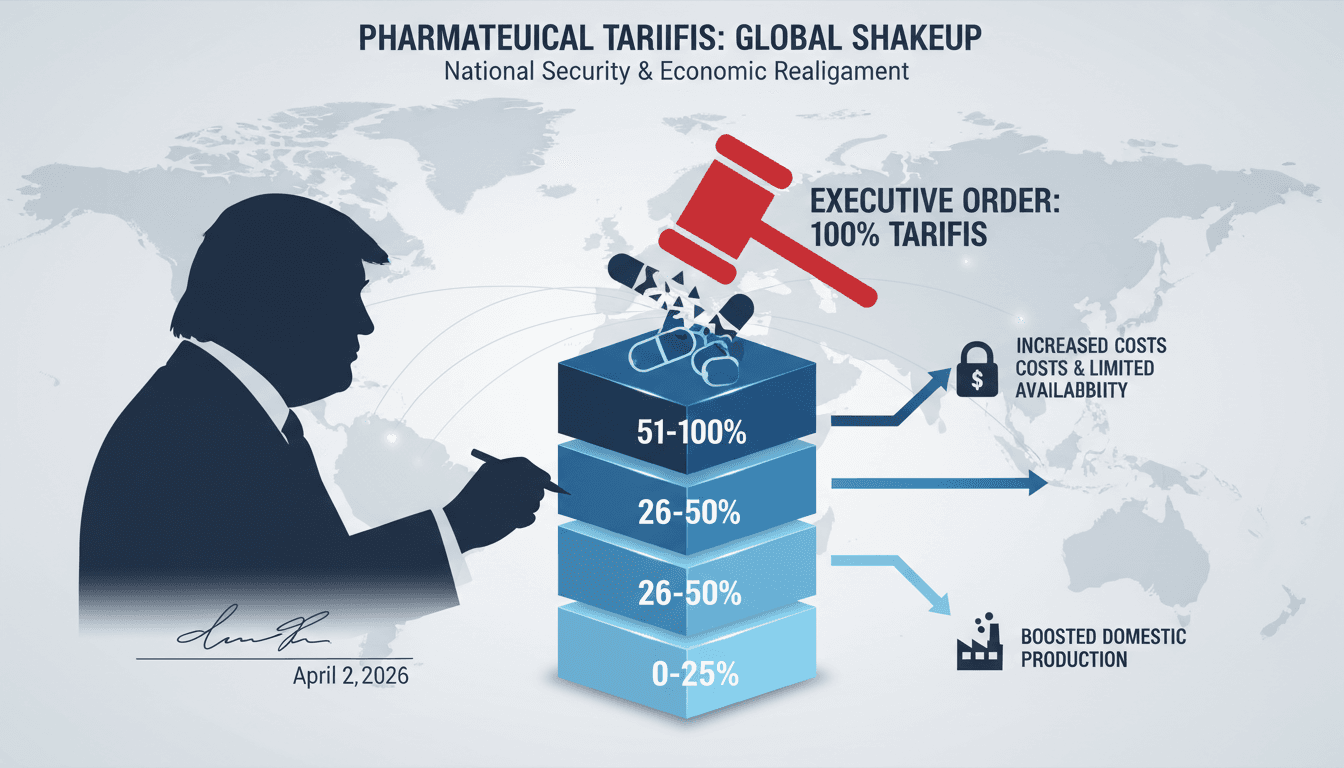
Here's what it means for you.
If you rely on imported medications, be prepared for potential price increases and supply chain disruptions.
Why it matters
This executive order could reshape the pharmaceutical landscape, affecting drug pricing and availability in the U.S. and beyond.
What happened (in 30 seconds)
- On April 2, 2026, President Trump signed an executive order imposing tariffs of up to 100% on certain imported patented drugs.
- The tariffs are tiered, with zero percent for compliant firms and escalating rates for non-compliance, aiming to secure pricing agreements and boost U.S. manufacturing.
- Negotiation periods of 120 to 180 days are in place for major pharmaceutical companies to comply with the new pricing structure.
The context you actually need
- Tariffs are justified under Section 232, citing national security risks from reliance on imported pharmaceuticals.
- This move follows a year of tariff threats that led to 17 pricing agreements with major drug manufacturers, 13 of which have been signed.
- The policy aligns with Trump's broader strategy to renegotiate trade terms and reduce dependency on foreign production, particularly from U.S. allies.
What's really happening
The executive order signed by Trump marks a significant escalation in the ongoing tension between the U.S. government and the pharmaceutical industry. By imposing tariffs of up to 100% on imported patented drugs, the administration aims to compel pharmaceutical companies to enter into "most favored nation" (MFN) pricing agreements. This means that U.S. drug prices would be aligned with the lowest prices offered globally, effectively reducing costs for American consumers.
The rationale behind this bold move is rooted in national security concerns. The administration argues that heavy reliance on imported pharmaceuticals poses risks, especially during global crises such as pandemics. By incentivizing domestic production, the government hopes to create a more resilient supply chain that can withstand external shocks.
The tiered tariff structure is designed to encourage compliance among pharmaceutical companies. Firms that agree to the MFN pricing will face no tariffs, while those that do not comply will see their tariffs escalate over time. This creates a financial incentive for companies to negotiate favorable pricing agreements and shift production to the U.S. However, the tariffs could also lead to increased costs for consumers, as companies may pass on the additional expenses incurred from tariffs onto their pricing structures.
The pharmaceutical industry has reacted strongly against these tariffs. The Pharmaceutical Research and Manufacturers of America (PhRMA) has condemned the move, arguing that it will inflate costs and divert funds away from research and development. This could stifle innovation in drug development, ultimately affecting the availability of new treatments for patients.
Internationally, the tariffs could disrupt existing supply chains, particularly for countries that export pharmaceuticals to the U.S. While the U.K. has secured a three-year exemption from these tariffs, other allies may face increased costs, which could lead to retaliatory measures. The implications of these tariffs extend beyond the U.S., as they could reshape global pharmaceutical trade dynamics.
As the negotiation periods unfold, the outcomes will be closely monitored. The administration's ability to secure compliance from major pharmaceutical companies will determine the long-term effectiveness of this strategy. If successful, it could lead to a significant shift in how drugs are priced and produced in the U.S., but if it fails, it may result in higher costs and limited access to essential medications.
Who feels it first (and how)
- Patients relying on imported medications may face higher prices and potential shortages.
- Pharmaceutical companies will need to navigate new tariffs and compliance requirements, impacting their pricing strategies and profit margins.
- Healthcare providers could experience disruptions in drug availability, affecting treatment options for patients.
- U.S. manufacturers may benefit from increased production opportunities but face challenges in scaling up operations quickly.
What to watch next
- Negotiation outcomes: The effectiveness of the 120-180 day negotiation periods will be critical in determining compliance and pricing structures moving forward.
- Market reactions: Monitor stock performance of pharmaceutical companies and any shifts in investment strategies as the tariffs take effect.
- International responses: Watch for potential retaliatory measures from affected countries and how they might impact global pharmaceutical trade.
The executive order is active, with tiered tariffs and negotiation periods in place.
Increased prices for imported pharmaceuticals and potential disruptions in supply chains.
The long-term impact on drug innovation and the overall effectiveness of the tariff strategy.
Frequently Asked Questions
- Why it matters?
- This executive order could reshape the pharmaceutical landscape, affecting drug pricing and availability in the U.S. and beyond.
- What happened (in 30 seconds)?
- On April 2, 2026, President Trump signed an executive order imposing tariffs of up to 100% on certain imported patented drugs. The tariffs are tiered, with zero percent for compliant firms and escalating rates for non-compliance, aiming to secure pricing agreements and boost U.S. manufacturing. Negotiation periods of 120 to 180 days are in place for major pharmaceutical companies to comply with the new pricing structure.
- What's really happening?
- The executive order signed by Trump marks a significant escalation in the ongoing tension between the U.S. government and the pharmaceutical industry. By imposing tariffs of up to 100% on imported patented drugs, the administration aims to compel pharmaceutical companies to enter into "most favored nation" (MFN) pricing agreements. This means that U.S. drug prices would be aligned with the lowest prices offered globally, effectively reducing costs for American consumers. The rationale behind th
- Who feels it first (and how)?
- Patients relying on imported medications may face higher prices and potential shortages. Pharmaceutical companies will need to navigate new tariffs and compliance requirements, impacting their pricing strategies and profit margins. Healthcare providers could experience disruptions in drug availability, affecting treatment options for patients. U.S. manufacturers may benefit from increased production opportunities but face challenges in scaling up operations quickly.
- What to watch next?
- Negotiation outcomes: The effectiveness of the 120-180 day negotiation periods will be critical in determining compliance and pricing structures moving forward. Market reactions: Monitor stock performance of pharmaceutical companies and any shifts in investment strategies as the tariffs take effect. International responses: Watch for potential retaliatory measures from affected countries and how they might impact global pharmaceutical trade.
Global news coverage with extensive reporting on Middle Eastern conflicts and geopolitics.
"Al Jazeera is a Qatar-based broadcaster known for wide regional coverage and alternative perspectives."
— A47 Editor
Trump unveils 100 percent tariff on drugs to push for pharmaceutical deals
US President Donald Trump has announced a 100 percent tariff on pharmaceuticals in an effort to negotiate lower prices for medical drugs, although the actual impact of this policy remains uncertain.
Comprehensive coverage of Middle Eastern and global issues.
"Al Jazeera is a prominent voice from the Global South, especially the Middle East, with an emphasis on underreported stories."
— A47 Editor
Trump unveils 100 percent tariff on drugs to push for pharmaceutical deals
US President Donald Trump has announced a 100 percent tariff on pharmaceuticals in an effort to negotiate lower prices for medical drugs, although the actual impact of this policy remains uncertain.
Capitol Hill news, legislation, and policy insight.
"The Hill specializes in U.S. politics and policy, with a focus on Capitol Hill developments and a reputation for insider reporting."
— A47 Editor
Trump signs order imposing 100 percent tariff on brand name drugs
President Trump signed an executive order imposing a 100 percent tariff on imported brand name drugs, citing the U.S.'s reliance on foreign pharmaceuticals as a key reason for this decision. This move is part of a broader strategy to encourage domest...
U.S. business news, corporate developments, and economy.
"The Wall Street Journal is respected for deep financial and economic reporting with a center-right editorial perspective."
— A47 Editor
Trump Administration Unveils Up to 100% Tariff on Branded Drugs
The Trump Administration has announced a potential tariff of up to 100% on branded drugs, a move aimed at drugmakers and countries that do not comply with pricing agreements or manufacturing investment commitments in the U.S. This policy is part of a...
News from the United States including domestic politics, society, and culture.
"Global News is a mainstream Canadian media outlet generally considered to have a centrist editorial stance, covering news with a focus on factual reporting and national interest."
— A47 Editor
Trump hits some drugmakers with 100% tariffs, adjusts metal product duties
President Trump has implemented 100% tariffs on certain drugmakers and has adjusted duties on metal products, including steel, aluminum, and copper, as part of new orders aimed at encouraging manufacturers to negotiate government drug pricing deals o...