
Iran Rejects U.S.-Backed Ceasefire Proposal as Deadline Approaches
Here's what it means for you.
The ongoing tensions in the Strait of Hormuz could lead to increased fuel prices and supply chain disruptions worldwide.
Why it matters
The rejection of the ceasefire proposal escalates geopolitical tensions, impacting global oil supply and prices.
What happened (in 30 seconds)
- Iran rejected a U.S.-backed 45-day ceasefire proposal on April 6, 2026, demanding a permanent end to hostilities.
- President Trump reaffirmed a strict deadline for negotiations, threatening military action if the Strait of Hormuz remains closed.
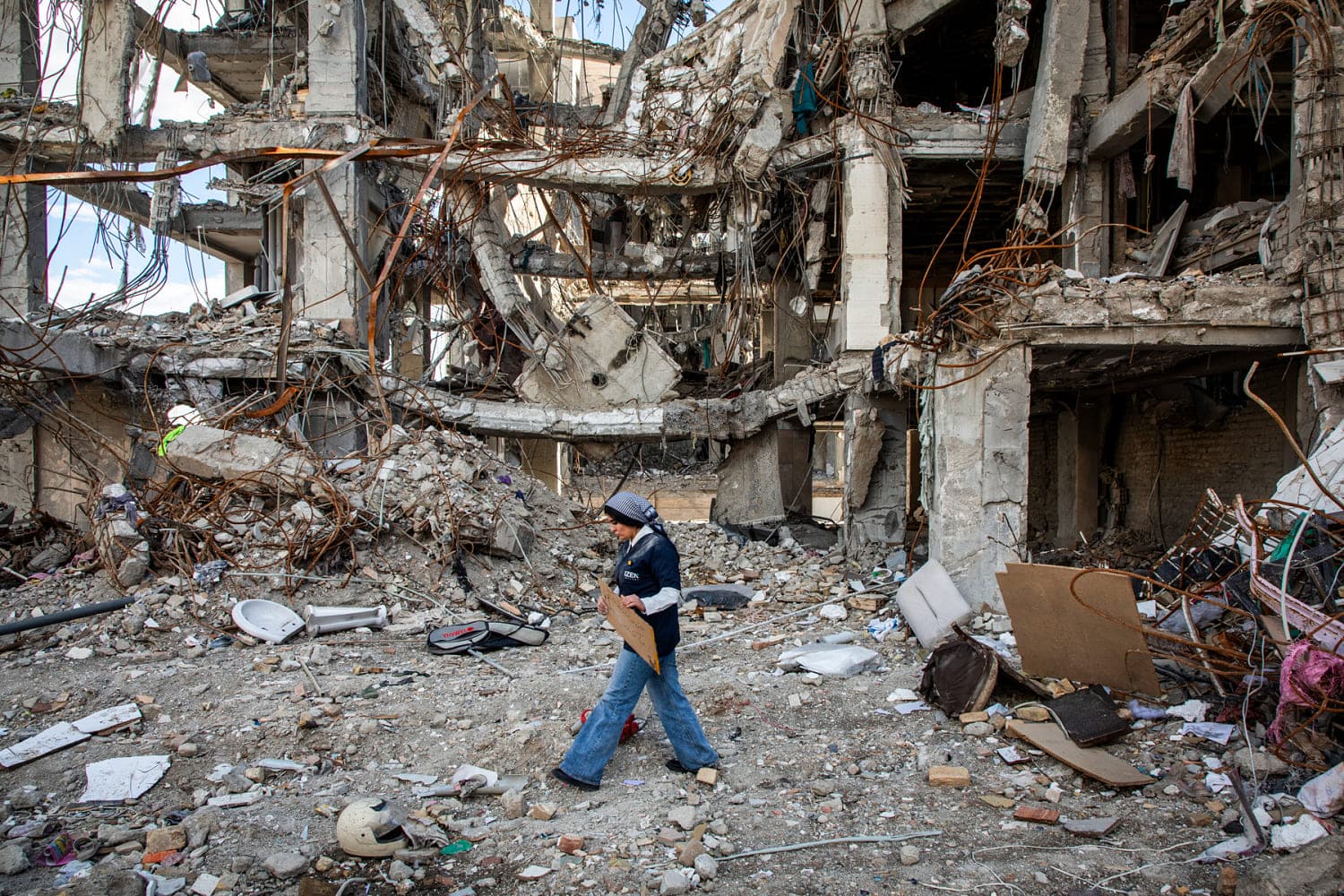
- U.S. and Israeli airstrikes have significantly weakened Iran's military, leading to heightened tensions and a closed Strait of Hormuz since March 4.
The context you actually need
- The conflict escalated in early March 2026 when U.S. and Israeli airstrikes targeted Iran's military infrastructure, prompting Iran to close the vital Strait of Hormuz.
- Diplomatic efforts have involved intermediaries like Pakistan, Egypt, and Turkey, attempting to broker a ceasefire amidst ongoing military actions.
- Iran's military position is weakened, yet it retains control over the Strait, leveraging its economic significance despite a deteriorating situation.
What's really happening
The geopolitical landscape surrounding Iran has shifted dramatically since early 2026, primarily due to U.S. and Israeli military actions that have severely degraded Iran's military capabilities. The closure of the Strait of Hormuz on March 4 disrupted global oil shipments, creating a ripple effect on international markets. President Trump’s ultimatum on March 21, which has since been extended multiple times, reflects the urgency of the situation. The U.S. has been adamant about reopening the strait, with Trump threatening bombings of Iranian infrastructure if negotiations fail.
Iran's rejection of the 45-day ceasefire proposal is rooted in a deep-seated distrust of U.S. intentions, shaped by previous military strikes during negotiations. Iranian officials perceive temporary truces as a form of capitulation rather than a genuine path to peace. The Iranian government, led by Foreign Minister Abbas Araghchi, has instead submitted a 10-point counterproposal, seeking a permanent resolution to the conflict.
The backdrop of this diplomatic stalemate includes ongoing U.S. and Israeli airstrikes that have significantly weakened Iran's military capabilities. This military pressure has led to heightened tensions and a precarious balance of power in the region. The U.S. has positioned itself as a dominant force, leveraging its military might to compel Iran into compliance, while Iran's control over the Strait of Hormuz gives it a strategic advantage in terms of oil exports.
The economic implications are profound. Brent Crude oil prices surged past $120 per barrel following the closure of the Strait, reflecting market fears of prolonged conflict and supply disruptions. As the situation escalates, the potential for military action looms large, further destabilizing the region and impacting global oil markets.
In summary, the rejection of the ceasefire proposal by Iran underscores a critical juncture in U.S.-Iran relations, with potential consequences for global energy markets and regional stability.
Who feels it first (and how)
- Oil consumers: Higher fuel prices due to increased oil market volatility.
- Shipping companies: Disruptions in shipping routes through the Strait of Hormuz.
- Middle Eastern economies: Economic instability in countries reliant on oil exports.
- Global markets: Investors facing uncertainty leading to fluctuating stock prices.
What to watch next
- Oil price fluctuations: Monitor Brent Crude prices as they react to ongoing tensions and military actions.
- Diplomatic negotiations: Watch for any shifts in mediation efforts from countries like Pakistan and Egypt.
- Military actions: Keep an eye on U.S. and Israeli military movements in the region, which could signal escalation or de-escalation.
Iran's rejection of the ceasefire proposal and the U.S. deadline for negotiations.
Continued military pressure from the U.S. and Israel, with potential for further escalations.
The effectiveness of diplomatic efforts and the long-term implications for regional stability and oil prices.
Frequently Asked Questions
- Why it matters?
- The rejection of the ceasefire proposal escalates geopolitical tensions, impacting global oil supply and prices.
- What happened (in 30 seconds)?
- Iran rejected a U.S.-backed 45-day ceasefire proposal on April 6, 2026, demanding a permanent end to hostilities. President Trump reaffirmed a strict deadline for negotiations, threatening military action if the Strait of Hormuz remains closed. U.S. and Israeli airstrikes have significantly weakened Iran's military, leading to heightened tensions and a closed Strait of Hormuz since March 4.
- What's really happening?
- The geopolitical landscape surrounding Iran has shifted dramatically since early 2026, primarily due to U.S. and Israeli military actions that have severely degraded Iran's military capabilities. The closure of the Strait of Hormuz on March 4 disrupted global oil shipments, creating a ripple effect on international markets. President Trump’s ultimatum on March 21, which has since been extended multiple times, reflects the urgency of the situation. The U.S. has been adamant about reopening the st
- Who feels it first (and how)?
- Oil consumers: Higher fuel prices due to increased oil market volatility. Shipping companies: Disruptions in shipping routes through the Strait of Hormuz. Middle Eastern economies: Economic instability in countries reliant on oil exports. Global markets: Investors facing uncertainty leading to fluctuating stock prices.
- What to watch next?
- Oil price fluctuations: Monitor Brent Crude prices as they react to ongoing tensions and military actions. Diplomatic negotiations: Watch for any shifts in mediation efforts from countries like Pakistan and Egypt. Military actions: Keep an eye on U.S. and Israeli military movements in the region, which could signal escalation or de-escalation.
Focused political reporting and governmental affairs.
"NBC News is a mainstream media outlet known for comprehensive national and international news coverage with a centrist to slightly left-leaning editorial tone."
— A47 Editor
Iran rejects temporary ceasefire proposal as Trump's deadline looms
Iran has officially rejected a U.S. proposal for a temporary ceasefire, asserting that a mere pause in hostilities is inadequate and demanding a comprehensive resolution to its security concerns. This rejection comes as President Donald Trump has set...
Regional coverage and analysis focused on politics, diplomacy, and business across the Middle East.
"Al-Monitor is known for analytical reporting on Middle East politics and policy developments."
— A47 Editor
Iran rejects latest ceasefire proposal as Trump deadline looms
Iran has officially rejected the latest ceasefire proposal from the United States, which was part of ongoing negotiations amid escalating military tensions. U.S. President Donald Trump characterized the proposal as a significant step but deemed it in...
Conservative-leaning political and national coverage.
"The Washington Times is a conservative-leaning newspaper known for its political coverage and advocacy of right-of-center viewpoints."
— A47 Editor
Iran rejects temporary ceasefire in response to U.S. peace proposal
Iran has officially rejected a U.S. proposal for a 45-day ceasefire, asserting that a temporary pause in hostilities is insufficient and calling for a comprehensive resolution that addresses its security concerns. This response comes amid escalating ...
Global business headlines with AI angles.
"General business outlet that frequently covers AI."
— A47 Editor
Trump Says Iranian Counterproposal To End The War Is 'Not Good Enough' As Deadline To Attack Power Plants And Bridges Nears
President Donald Trump stated that Iran's counterproposal to end the ongoing war is 'not good enough,' as he approaches a deadline for potential military strikes on Iranian infrastructure, including power plants and bridges. This ultimatum follows a ...
Business, investment, entrepreneurship, leadership, and innovation.
"Forbes is known for its coverage of business leaders, market trends, and entrepreneurial ventures with a pro-business editorial stance."
— A47 Editor
Iran Rejects Trump’s Ceasefire Proposal As Deadline Nears
Iran has officially rejected President Trump's ceasefire proposal as the deadline approaches for reopening the Strait of Hormuz, a critical maritime route for global oil shipments. Trump has issued a stark ultimatum, threatening severe consequences i...
Capitol Hill news, legislation, and policy insight.
"The Hill specializes in U.S. politics and policy, with a focus on Capitol Hill developments and a reputation for insider reporting."
— A47 Editor
Iran spurns 'unrealistic' US peace proposal
Iran has rejected a U.S. peace proposal, labeling it as 'unrealistic' amidst escalating tensions over the Strait of Hormuz. This rejection comes as President Trump has imposed a deadline for reopening the strait, threatening military action if Iran d...
Arabic-language coverage of political affairs and current events.
"Okaz political coverage typically follows mainstream Saudi framing on national and regional affairs."
— A47 Editor
البيت الأبيض: ترمب لم يقبل بعد مقترح إنهاء حرب إيران
A senior White House official revealed that a proposal for a 45-day ceasefire in the ongoing conflict between the United States and Iran is under discussion, but President Trump has not yet officially accepted it. Negotiations are reportedly ongoing,...
International coverage of politics, security, and social issues.
"Global News is a mainstream Canadian outlet with a centrist editorial stance, focusing on factual reporting."
— A47 Editor
Iran rejects new ceasefire proposal as Trump’s ultimatum approaches
Iran has rejected a new ceasefire proposal from the United States as President Donald Trump issued a 48-hour ultimatum demanding the reopening of the strategic Strait of Hormuz. This rejection coincided with Israeli airstrikes on a petrochemical plan...