
Iran Blocks Oil Tanker Transit in Response to Israeli Strikes in Lebanon
Here's what it means for you.
If you rely on global oil markets, expect increased prices and potential supply chain disruptions.
Why it matters
The Strait of Hormuz is a critical chokepoint for global oil supply, with 20% of the world's oil transiting through it annually.
What happened (in 30 seconds)
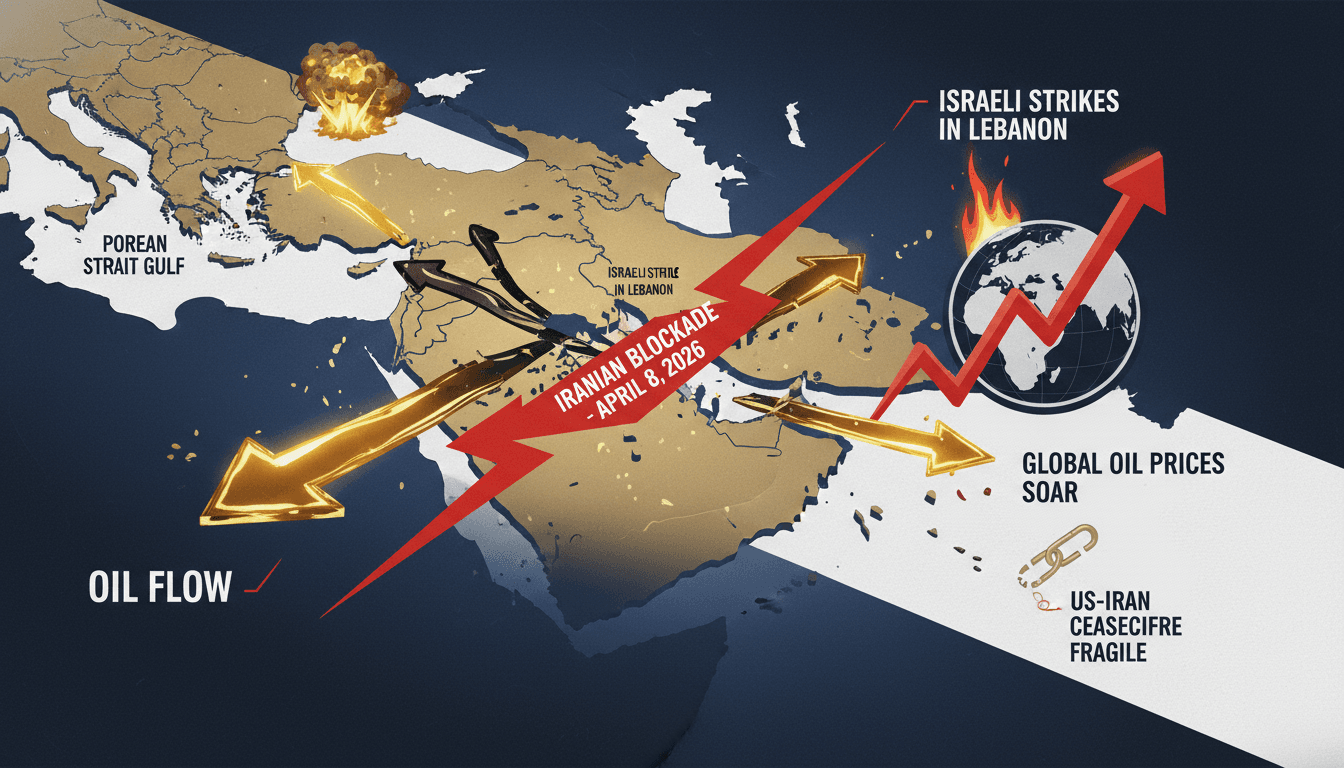
- Iran blocked oil tankers from passing through the Strait of Hormuz, citing Israeli airstrikes in Lebanon as the reason.
- Israeli airstrikes on Lebanon resulted in at least 89 deaths and 700 injuries, occurring shortly after a US-Iran ceasefire agreement was announced.
- Iran's Sepah navy now requires permission for tanker transit, threatening destruction for non-compliant vessels.
The context you actually need
- The Strait of Hormuz crisis escalated from US and Israeli military actions against Iran, leading to Iranian blockades of this vital shipping route.
- Approximately 20% of global oil supply passes through the Strait of Hormuz, making any disruption a significant concern for international markets.
- The ceasefire agreement announced by President Trump was intended to facilitate safe passage through the strait but was undermined by ongoing Israeli operations against Hezbollah.
What's really happening
On April 7-8, 2026, tensions in the Middle East reached a boiling point. Following a two-week ceasefire agreement brokered by the United States, which included provisions for reopening the Strait of Hormuz, Israel launched a rapid series of airstrikes targeting Hezbollah sites in Lebanon. This military action, which occurred just hours after the ceasefire announcement, resulted in significant casualties and was perceived as a direct challenge to Iran's influence in the region.
In response, Iran's embassy in Mumbai announced a blockade of oil tankers, asserting that no vessel could pass through the Strait of Hormuz without permission from the Iranian Sepah navy. This move is not merely a reaction to Israeli strikes; it is a strategic maneuver designed to leverage Iran's control over a critical maritime route. The Strait of Hormuz is a vital artery for global oil supply, and Iran's ability to restrict access has far-reaching implications for international energy markets.
The Iranian government has framed this blockade as a necessary measure to protect its national interests and assert its regional power. By threatening the destruction of unauthorized vessels, Iran aims to deter any attempts by international shipping companies to navigate the strait without its consent. This tactic could lead to heightened military tensions in the region and potential confrontations at sea.
The immediate aftermath of the blockade saw volatility in oil prices, with initial spikes due to fears of supply disruptions. However, the market also reacted to the prospects of a ceasefire, leading to a brief rally. The situation remains fluid, with Israel vowing to continue its military operations against Hezbollah, which it deems necessary despite the ceasefire agreement with Iran.
Global leaders are now calling for de-escalation, but diplomatic efforts have been hampered by vetoes from Russia and China at the United Nations. The humanitarian crisis in Lebanon, exacerbated by the airstrikes, adds another layer of complexity to the situation, as international organizations struggle to respond effectively.
Who feels it first (and how)
- Oil traders: Increased prices and market volatility will impact their trading strategies and profit margins.
- Logistics companies: Disruptions in oil supply could affect transportation costs and delivery schedules.
- Consumers in the UAE: Residents may face higher fuel prices, with reports of increases up to 33% in April 2026, impacting household budgets.
- Global businesses: Companies reliant on oil for operations may see increased costs, affecting profitability and pricing strategies.
What to watch next
- Oil price trends: Monitor fluctuations in global oil prices as the situation evolves, as they will directly impact economies and consumer costs.
- Military developments: Keep an eye on Israeli and Iranian military actions, particularly any escalation that could lead to further conflict in the region.
- Diplomatic negotiations: Watch for any new ceasefire talks or international interventions aimed at stabilizing the situation and reopening the Strait of Hormuz.
Iran has halted oil tanker transit through the Strait of Hormuz.
Oil prices will remain volatile as markets react to ongoing geopolitical tensions.
The long-term implications of this blockade on global oil supply and regional stability.
Frequently Asked Questions
- Why it matters?
- The Strait of Hormuz is a critical chokepoint for global oil supply, with 20% of the world's oil transiting through it annually.
- What happened (in 30 seconds)?
- Iran blocked oil tankers from passing through the Strait of Hormuz, citing Israeli airstrikes in Lebanon as the reason. Israeli airstrikes on Lebanon resulted in at least 89 deaths and 700 injuries, occurring shortly after a US-Iran ceasefire agreement was announced. Iran's Sepah navy now requires permission for tanker transit, threatening destruction for non-compliant vessels.
- What's really happening?
- On April 7-8, 2026, tensions in the Middle East reached a boiling point. Following a two-week ceasefire agreement brokered by the United States, which included provisions for reopening the Strait of Hormuz, Israel launched a rapid series of airstrikes targeting Hezbollah sites in Lebanon. This military action, which occurred just hours after the ceasefire announcement, resulted in significant casualties and was perceived as a direct challenge to Iran's influence in the region. In response, Iran
- Who feels it first (and how)?
- Oil traders: Increased prices and market volatility will impact their trading strategies and profit margins. Logistics companies: Disruptions in oil supply could affect transportation costs and delivery schedules. Consumers in the UAE: Residents may face higher fuel prices, with reports of increases up to 33% in April 2026, impacting household budgets. Global businesses: Companies reliant on oil for operations may see increased costs, affecting profitability and pricing strategies.
- What to watch next?
- Oil price trends: Monitor fluctuations in global oil prices as the situation evolves, as they will directly impact economies and consumer costs. Military developments: Keep an eye on Israeli and Iranian military actions, particularly any escalation that could lead to further conflict in the region. Diplomatic negotiations: Watch for any new ceasefire talks or international interventions aimed at stabilizing the situation and reopening the Strait of Hormuz.
Breaking news, politics, business, and entertainment from the U.S. and around the world.
"The New York Post is a tabloid-format newspaper known for its sensationalist headlines and conservative-leaning editorial tone."
— A47 Editor
Iran blocks oil tankers in Strait of Hormuz, blaming Israel strikes in Lebanon
Iran has blocked oil tankers from passing through the Strait of Hormuz, just hours after agreeing to reopen the waterway, citing Israeli airstrikes in Lebanon as the reason for this action. This move escalates tensions in a region critical for global...
Global business headlines with AI angles.
"General business outlet that frequently covers AI."
— A47 Editor
Iran Says It's Halting Passage Through Strait Of Hormuz Due To Israeli Attacks In Lebanon And Is 'Working On Its Response'
Iran has announced a halt to passage through the Strait of Hormuz in response to Israeli attacks in Lebanon, amidst ongoing tensions and a fragile ceasefire with the U.S. This decision underscores Iran's strategic control over this vital maritime rou...