
GCC Secretary-General Affirms Historical Ties with Central Asia at Riyadh Workshop
Here's what it means for you.
As GCC countries deepen ties with Central Asia, expect shifts in trade dynamics that could impact your cost of living and job opportunities.
Why it matters
This strategic partnership could reshape energy supply chains and trade routes, influencing global markets.
What happened (in 30 seconds)
- GCC Secretary-General Jassim Al-Budaiwi emphasized historical ties with Central Asia during a workshop in Riyadh on April 20, 2026.
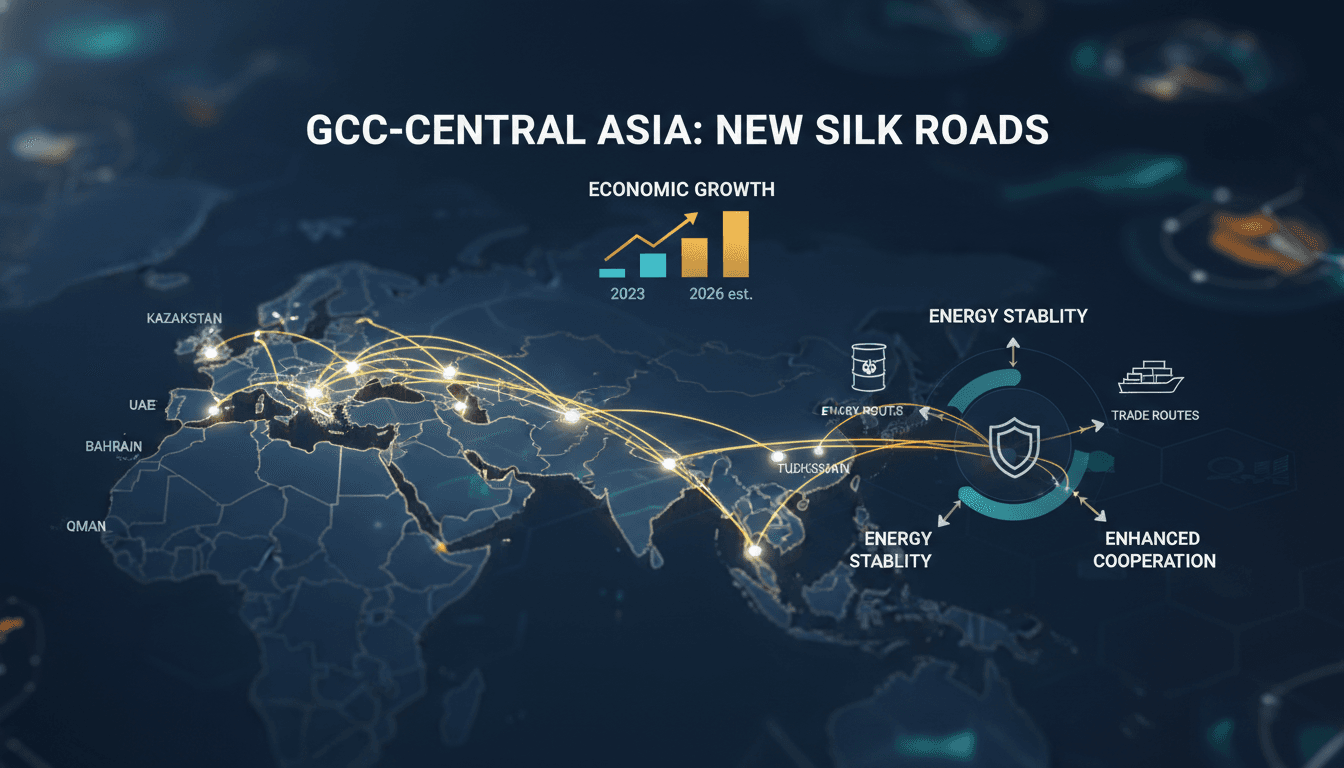
- Bilateral trade between GCC countries and Central Asia reached nearly 10 billion USD in 2023, highlighting significant economic potential.
- Ongoing regional tensions, including over 6,000 missile and drone attacks on GCC states since February 2026, underscore the need for enhanced cooperation in security and energy.
The context you actually need
- Historical connections between the GCC and Central Asia trace back to the Silk Road, fostering long-standing trade relationships.
- Recent diplomatic engagements, including the 2023 Jeddah Summit, have established frameworks for strategic dialogue focused on trade, investment, and security.
- Geopolitical challenges, such as Iran's transit barriers and escalating attacks on GCC infrastructure, necessitate a united front for stability and security.
What's really happening
The recent workshop in Riyadh, co-organized by the Gulf Research Center and Uzbekistan's Institute of Strategic and Regional Studies, marked a pivotal moment in GCC-Central Asia relations. Jassim Al-Budaiwi's address underscored the historical and economic ties that bind these regions, emphasizing the potential for collaboration in energy, rare minerals, agriculture, and security.
In 2023, bilateral merchandise trade reached nearly 10 billion USD, with GCC exports totaling 8 billion USD and imports at 1.6 billion USD. This trade volume reflects a growing interdependence that could be further enhanced through strategic partnerships. Al-Budaiwi's call for international support to uphold global law and energy supply stability is particularly relevant given the backdrop of over 6,000 missile and drone attacks on GCC states since late February 2026. These attacks have not only threatened civilian infrastructure but have also raised concerns about energy security and the stability of supply routes through the Hormuz Strait.
The GCC's GDP, projected at 2.3 trillion USD in 2024, positions the region as a significant player in global markets. The emphasis on economic collaboration is not merely a response to current threats but a proactive strategy to diversify economies and reduce reliance on oil. The potential for cooperation in sectors like agriculture and rare minerals could lead to new markets and job opportunities, particularly in the UAE, where Dubai serves as a trade epicenter.
As GCC countries seek to strengthen their ties with Central Asia, the implications for energy stability and trade corridors are profound. The expansion of trade routes through Dubai's Jebel Ali Port could facilitate increased non-oil trade, benefiting local economies and residents. This strategic partnership is not just about historical ties; it is about creating a resilient economic framework that can withstand geopolitical challenges.
Who feels it first (and how)
- Business owners in trade and logistics sectors may see new opportunities for partnerships and increased trade volumes.
- Residents of Dubai could experience changes in the cost of living due to shifts in energy prices and trade dynamics.
- Investors in energy and agriculture sectors may find new avenues for growth as GCC countries diversify their economic portfolios.
What to watch next
- Trade agreements: Monitor any new trade agreements or partnerships that emerge from this workshop, as they could significantly impact market dynamics.
- Security developments: Keep an eye on regional security developments, particularly any escalations in attacks that could affect trade routes and energy supplies.
- Economic indicators: Watch for changes in GDP growth rates in GCC countries as they expand their economic collaborations with Central Asia.
Bilateral trade between GCC and Central Asia reached nearly 10 billion USD in 2023.
Increased economic collaboration will lead to new trade routes and partnerships, particularly in energy and agriculture.
The long-term impact of regional security threats on trade stability and economic growth remains uncertain.
Frequently Asked Questions
- Why it matters?
- This strategic partnership could reshape energy supply chains and trade routes, influencing global markets.
- What happened (in 30 seconds)?
- GCC Secretary-General Jassim Al-Budaiwi emphasized historical ties with Central Asia during a workshop in Riyadh on April 20, 2026. Bilateral trade between GCC countries and Central Asia reached nearly 10 billion USD in 2023, highlighting significant economic potential. Ongoing regional tensions, including over 6,000 missile and drone attacks on GCC states since February 2026, underscore the need for enhanced cooperation in security and energy.
- What's really happening?
- The recent workshop in Riyadh, co-organized by the Gulf Research Center and Uzbekistan's Institute of Strategic and Regional Studies, marked a pivotal moment in GCC-Central Asia relations. Jassim Al-Budaiwi's address underscored the historical and economic ties that bind these regions, emphasizing the potential for collaboration in energy, rare minerals, agriculture, and security. In 2023, bilateral merchandise trade reached nearly 10 billion USD, with GCC exports totaling 8 billion USD and im
- Who feels it first (and how)?
- Business owners in trade and logistics sectors may see new opportunities for partnerships and increased trade volumes. Residents of Dubai could experience changes in the cost of living due to shifts in energy prices and trade dynamics. Investors in energy and agriculture sectors may find new avenues for growth as GCC countries diversify their economic portfolios.
- What to watch next?
- Trade agreements: Monitor any new trade agreements or partnerships that emerge from this workshop, as they could significantly impact market dynamics. Security developments: Keep an eye on regional security developments, particularly any escalations in attacks that could affect trade routes and energy supplies. Economic indicators: Watch for changes in GDP growth rates in GCC countries as they expand their economic collaborations with Central Asia.
Arabic-language coverage of political affairs and current events.
"Okaz political coverage typically follows mainstream Saudi framing on national and regional affairs."
— A47 Editor
أمين عام مجلس التعاون الخليجي: علاقة دولنا بدول آسيا الوسطى راسخة وتاريخية
Jassim Mohammed Al-Budaiwi, the Secretary-General of the Gulf Cooperation Council (GCC), emphasized the historical and solid relationship between GCC countries and Central Asian nations during a workshop aimed at enhancing strategic partnerships. The...
Arabic-language coverage of Saudi, regional, and international affairs.
"Al Bilad offers mainstream Saudi newspaper coverage across domestic and broader Arab topics."
— A47 Editor
البديوي: أسس راسخة تربط علاقات دول مجلس التعاون مع دول آسيا الوسطى
Jassim Mohammed Al-Budaiwi, the Secretary-General of the Gulf Cooperation Council (GCC), emphasized that the relationships between GCC countries and Central Asian nations are built on solid foundations of shared history and mutual interests. He expre...