
US–Israel–Iran Ceasefire Begins Excluding Lebanon Amid Ongoing Tensions
Here's what it means for you.
The temporary ceasefire could stabilize oil prices and impact global markets, but ongoing tensions in Lebanon may still disrupt regional security.
Why it matters
This ceasefire is crucial for global energy security, as 20% of the world's oil supply transits through the Strait of Hormuz.
What happened (in 30 seconds)
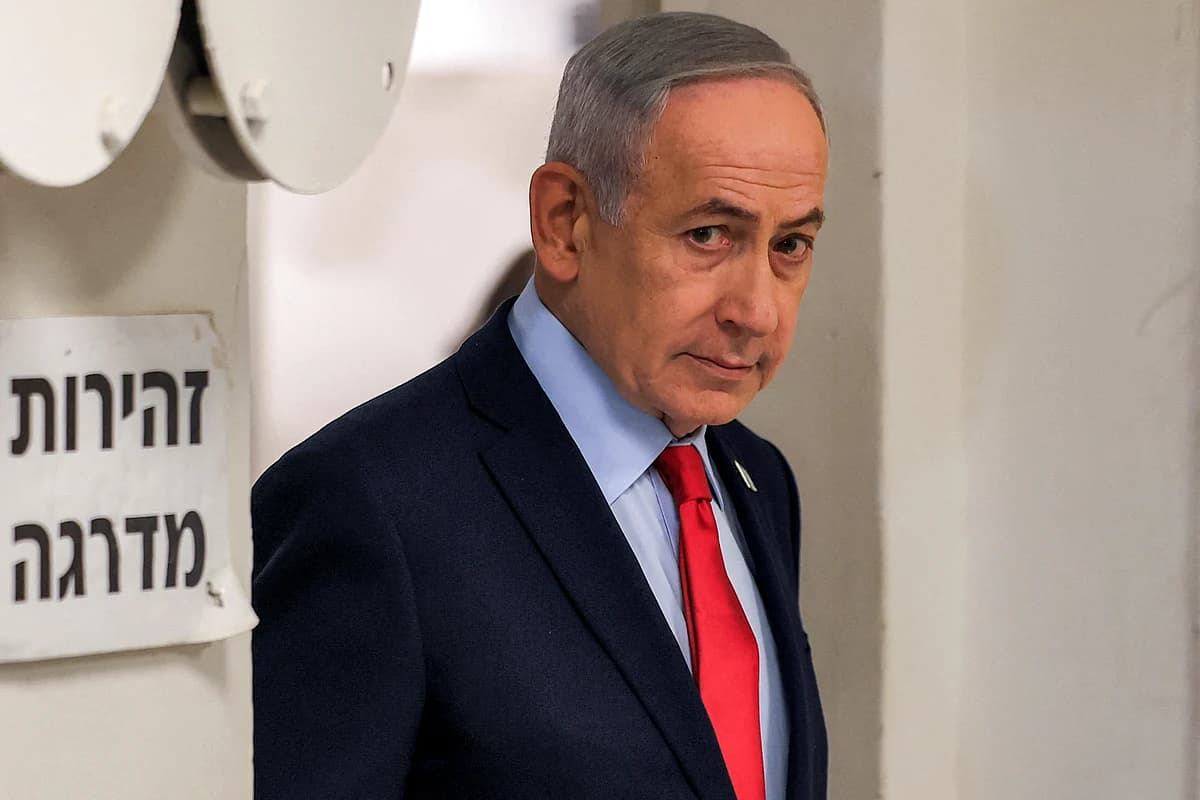
- On April 8, 2026, Israeli Prime Minister Benjamin Netanyahu confirmed that the US–Israel–Iran ceasefire does not include Lebanon.
- The ceasefire, brokered by Pakistan, involves a two-week pause in US aerial strikes on Iran in exchange for Iranian guarantees regarding safe passage through the Strait of Hormuz.
- Scheduled negotiations in Islamabad will address nuclear and missile threats, starting April 11.
The context you actually need
- The 2026 Iran war began on February 28, 2026, with coordinated US and Israeli airstrikes targeting Iranian nuclear facilities and leadership.
- Iran's retaliation included missile attacks on Israel and the closure of the Strait of Hormuz, significantly disrupting global energy flows.
- After 40 days of conflict, with over 2,000 Iranian deaths reported, Pakistan facilitated the current ceasefire to de-escalate tensions.
What's really happening
The ceasefire agreement marks a significant shift in the dynamics of Middle Eastern geopolitics, particularly concerning the ongoing conflict involving Iran, Israel, and their respective allies. The United States, under President Donald Trump, has taken a proactive role in mediating this truce, which is seen as a strategic victory for the US and its allies. By suspending aerial strikes on Iran, the US aims to stabilize the region and ensure the safe passage of oil through the critical Strait of Hormuz, a chokepoint for 20% of global oil supply.
However, the exclusion of Lebanon from the ceasefire agreement raises questions about the future of Israeli operations against Hezbollah, which remains a potent threat to Israel's northern border. Netanyahu's insistence on continuing operations against Hezbollah indicates that while there may be a temporary pause in broader hostilities, the underlying tensions remain unresolved. This could lead to a resurgence of conflict in Lebanon, which would have immediate repercussions for regional stability and security.
The ceasefire is also a reflection of the shifting alliances in the region. Pakistan's role as a mediator highlights its growing influence in Middle Eastern affairs, particularly as it seeks to position itself as a key player in diplomatic negotiations. This could lead to a recalibration of relationships among Middle Eastern countries, with Pakistan potentially acting as a bridge between Iran and its adversaries.
For global markets, the ceasefire offers a glimmer of hope for oil price stabilization, which had surged above $100 per barrel due to the conflict. As tensions ease, there is potential for economic recovery in regions affected by the war, particularly in Dubai, where residents have faced disruptions in tourism and investment. However, the proximity of ongoing conflict in Lebanon and the potential for renewed hostilities means that caution remains warranted.
Who feels it first (and how)
- Energy Sector: Oil companies and traders will closely monitor price fluctuations and supply stability.
- Investors: Those with stakes in Middle Eastern markets will be affected by shifts in regional stability and economic recovery prospects.
- Residents of Dubai: Local businesses and tourism sectors will feel the impact of any changes in oil prices and regional security.
What to watch next
- Negotiation outcomes: The scheduled talks in Islamabad on April 11 will be critical in determining the future of nuclear and missile threats in the region.
- Lebanon's response: How Hezbollah and the Lebanese government react to the ceasefire exclusion will be pivotal in assessing the risk of renewed conflict.
- Oil price trends: Monitor oil prices for signs of stabilization or volatility as the ceasefire progresses.
The ceasefire is currently active and involves a two-week pause in US strikes on Iran.
Continued Israeli operations against Hezbollah despite the ceasefire may lead to renewed tensions.
The long-term effectiveness of the ceasefire in achieving lasting peace and stability in the region.
Frequently Asked Questions
- Why it matters?
- This ceasefire is crucial for global energy security, as 20% of the world's oil supply transits through the Strait of Hormuz.
- What happened (in 30 seconds)?
- On April 8, 2026, Israeli Prime Minister Benjamin Netanyahu confirmed that the US–Israel–Iran ceasefire does not include Lebanon. The ceasefire, brokered by Pakistan, involves a two-week pause in US aerial strikes on Iran in exchange for Iranian guarantees regarding safe passage through the Strait of Hormuz. Scheduled negotiations in Islamabad will address nuclear and missile threats, starting April 11.
- What's really happening?
- The ceasefire agreement marks a significant shift in the dynamics of Middle Eastern geopolitics, particularly concerning the ongoing conflict involving Iran, Israel, and their respective allies. The United States, under President Donald Trump, has taken a proactive role in mediating this truce, which is seen as a strategic victory for the US and its allies. By suspending aerial strikes on Iran, the US aims to stabilize the region and ensure the safe passage of oil through the critical Strait of
- Who feels it first (and how)?
- Energy Sector: Oil companies and traders will closely monitor price fluctuations and supply stability. Investors: Those with stakes in Middle Eastern markets will be affected by shifts in regional stability and economic recovery prospects. Residents of Dubai: Local businesses and tourism sectors will feel the impact of any changes in oil prices and regional security.
- What to watch next?
- Negotiation outcomes: The scheduled talks in Islamabad on April 11 will be critical in determining the future of nuclear and missile threats in the region. Lebanon's response: How Hezbollah and the Lebanese government react to the ceasefire exclusion will be pivotal in assessing the risk of renewed conflict. Oil price trends: Monitor oil prices for signs of stabilization or volatility as the ceasefire progresses.
UAE-based English-language newspaper covering regional politics, economics, and global affairs.
"The National reflects Emirati policy perspectives while maintaining international editorial standards."
— A47 Editor
Ceasefire does not include Lebanon, Netanyahu says
Israeli Prime Minister Benjamin Netanyahu has stated that the recent ceasefire agreement involving the United States and Iran does not extend to Lebanon, emphasizing ongoing military tensions in the region. This declaration comes amid Israel's milita...
Arabic-language UAE newspaper coverage focused on domestic affairs, public institutions, business, society, and regional developments.
"Al Khaleej coverage generally reflects a mainstream UAE editorial lens with strong attention to public affairs, institutions, and regional developments."
— A47 Editor
مكتب نتنياهو: وقف إطلاق النار لا يشمل لبنان
Israel announced its support for U.S. President Donald Trump's decision to suspend strikes on Iran for two weeks under a ceasefire agreement, contingent upon Tehran reopening the Strait of Hormuz. However, this ceasefire does not extend to Lebanon.
Global news coverage with extensive reporting on Middle Eastern conflicts and geopolitics.
"Al Jazeera is a Qatar-based broadcaster known for wide regional coverage and alternative perspectives."
— A47 Editor
Netanyahu says US-Iran ceasefire ‘does not include Lebanon’
Israeli Prime Minister Benjamin Netanyahu has welcomed the recent US decision to suspend military actions against Iran, while clarifying that this ceasefire does not extend to Lebanon. This statement comes amid heightened tensions in the region, part...
Comprehensive coverage of Middle Eastern and global issues.
"Al Jazeera is a prominent voice from the Global South, especially the Middle East, with an emphasis on underreported stories."
— A47 Editor
Netanyahu says US-Iran ceasefire ‘does not include Lebanon’
Israeli Prime Minister Benjamin Netanyahu has welcomed the recent US decision to suspend military actions against Iran, while clarifying that this ceasefire does not extend to Lebanon. This statement comes amid heightened tensions in the region, part...
Breaking news and analysis from the UAE and Gulf region.
"Khaleej Times is a long-running UAE publication with broad regional coverage."
— A47 Editor
UAE seeks clarity on terms of US-Iran truce as Israel pounds Lebanon on Day 1 of ceasefire
The United Arab Emirates (UAE) is seeking clarity on the terms of a ceasefire agreement between the United States and Iran, coinciding with Israel's military actions in Lebanon on the first day of the truce. The ceasefire aims to halt escalating tens...