
US Issues Final Ultimatum to Iran for Strait of Hormuz Reopening
Here's what it means for you.
If you're in the oil market or dependent on oil supply chains, the escalating tensions in the Strait of Hormuz could lead to price volatility and supply disruptions.
Why it matters
The Strait of Hormuz is a critical chokepoint for global oil supplies, with approximately 20% of the world's oil passing through it.
What happened (in 30 seconds)
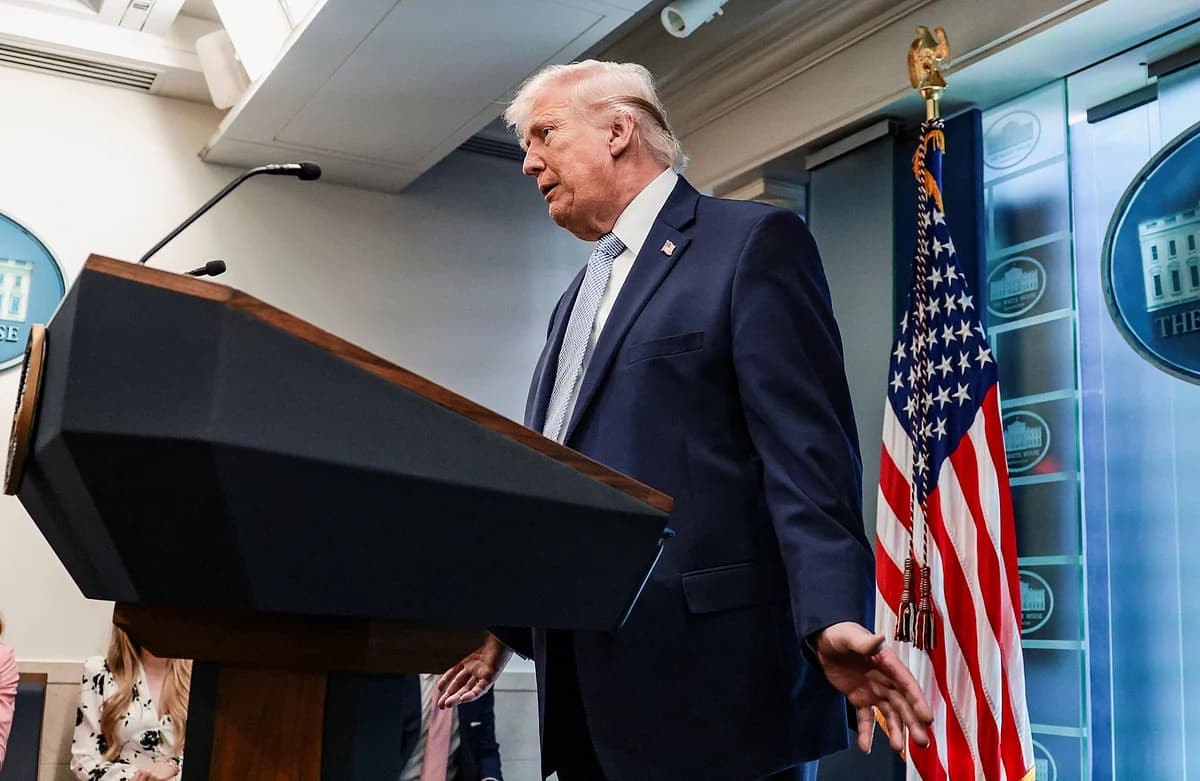
- On April 7, 2026, President Trump issued a final ultimatum to Iran, demanding the reopening of the Strait of Hormuz by 8:00 p.m. EDT.
- Iran rejected the ceasefire proposal and countered with demands for sanctions relief and safe passage protocols.
- Global oil prices surged as markets reacted to the impending deadline and potential military actions.
The context you actually need
- The Strait of Hormuz is vital for international oil transport, making any conflict in the region a concern for global energy markets.
- Iran's military posture has been increasingly aggressive, with threats to disrupt shipping in response to US actions.
- The ongoing US-Israel-Iran war has already strained diplomatic relations, complicating any potential resolutions.
What's really happening
The ultimatum issued by President Trump is a culmination of escalating tensions that have been brewing since early 2026. The US-Iran conflict has intensified, particularly after Iran's rejection of a ceasefire proposal mediated by Pakistan. The Strait of Hormuz, which carries about 20% of the world's oil supply, has become a focal point of this geopolitical standoff.
Iran's insistence on a comprehensive resolution to regional conflicts, including sanctions relief and reconstruction aid, reflects its strategic aim to leverage its position in the negotiations. The Iranian government has framed the conflict in terms of national sovereignty and economic survival, making it unlikely that they will yield to US demands without significant concessions.
The US, on the other hand, is motivated by its desire to maintain control over global oil supply routes and to assert its influence in the region. Trump's threats to destroy Iranian infrastructure are intended to signal the seriousness of the US position, but they also risk escalating the conflict further. This creates a precarious situation where both sides are entrenched in their positions, leading to a potential military confrontation if the deadline is not met.
The implications of this standoff extend beyond immediate military concerns. Global oil markets are already reacting to the uncertainty, with prices rising as traders anticipate potential supply disruptions. Countries that rely heavily on oil imports, particularly those in Asia, are likely to feel the impact first, as they may face increased costs and supply chain disruptions.
Moreover, the UAE, which is geographically and economically tied to the Strait of Hormuz, has condemned Iran's actions and labeled the weaponization of the Strait as an act of economic terrorism. This regional perspective adds another layer of complexity, as neighboring countries may seek to intervene or negotiate to stabilize the situation.
As the deadline approaches, the potential for a chain reaction of events—military action, economic sanctions, and further diplomatic breakdown—could reshape the geopolitical landscape, affecting not just the Middle East but global energy markets as well.
Who feels it first (and how)
- Oil traders: Increased volatility in oil prices will directly impact trading strategies and profit margins.
- Shipping companies: Potential disruptions in transit routes could lead to delays and increased shipping costs.
- Consumers: Rising oil prices will likely translate to higher fuel costs, affecting transportation and goods prices.
- UAE residents: Increased risks of supply disruptions could lead to economic instability in the region.
What to watch next
- Iran's military response: Monitoring any military actions taken by Iran in response to the ultimatum will indicate the likelihood of conflict escalation.
- Global oil price fluctuations: Watch for significant price movements in the oil market as the deadline approaches and geopolitical developments unfold.
- International diplomatic efforts: Keep an eye on any new negotiations or interventions from global powers, particularly those aimed at de-escalating tensions.
The Strait of Hormuz is crucial for global oil transport, with significant portions of the world's oil supply passing through it.
Increased volatility in oil prices and potential supply disruptions as tensions escalate.
The exact military and diplomatic outcomes following the ultimatum and Iran's response.
Frequently Asked Questions
- Why it matters?
- The Strait of Hormuz is a critical chokepoint for global oil supplies, with approximately 20% of the world's oil passing through it.
- What happened (in 30 seconds)?
- On April 7, 2026, President Trump issued a final ultimatum to Iran, demanding the reopening of the Strait of Hormuz by 8:00 p.m. EDT. Iran rejected the ceasefire proposal and countered with demands for sanctions relief and safe passage protocols. Global oil prices surged as markets reacted to the impending deadline and potential military actions.
- What's really happening?
- The ultimatum issued by President Trump is a culmination of escalating tensions that have been brewing since early 2026. The US-Iran conflict has intensified, particularly after Iran's rejection of a ceasefire proposal mediated by Pakistan. The Strait of Hormuz, which carries about 20% of the world's oil supply, has become a focal point of this geopolitical standoff. Iran's insistence on a comprehensive resolution to regional conflicts, including sanctions relief and reconstruction aid, reflec
- Who feels it first (and how)?
- Oil traders: Increased volatility in oil prices will directly impact trading strategies and profit margins. Shipping companies: Potential disruptions in transit routes could lead to delays and increased shipping costs. Consumers: Rising oil prices will likely translate to higher fuel costs, affecting transportation and goods prices. UAE residents: Increased risks of supply disruptions could lead to economic instability in the region.
- What to watch next?
- Iran's military response: Monitoring any military actions taken by Iran in response to the ultimatum will indicate the likelihood of conflict escalation. Global oil price fluctuations: Watch for significant price movements in the oil market as the deadline approaches and geopolitical developments unfold. International diplomatic efforts: Keep an eye on any new negotiations or interventions from global powers, particularly those aimed at de-escalating tensions.
Corporate news, economic trends, and markets with UK and global scope.
"BBC News is widely regarded as reputable and impartial, with a public service mandate."
— A47 Editor
Oil price fluctuates ahead of Trump's Iran deal deadline
Oil prices are experiencing fluctuations as President Donald Trump has issued severe threats against Iran, warning that the U.S. could destroy the country 'in one night' if Tehran does not agree to reopen the Strait of Hormuz by the impending deadlin...
Global markets, investing, and macroeconomics from a premier financial newsroom.
"Bloomberg is respected for in-depth financial reporting and data-driven analysis."
— A47 Editor
Markets Struggle for Direction Ahead of Trump’s Iran Deadline
Markets are experiencing volatility as President Donald Trump has set a final deadline of 8:00 p.m. ET on Tuesday for Iran to reopen the Strait of Hormuz, a vital maritime route for global oil shipments. This ultimatum comes amid escalating tensions ...
Major U.S. developments and regional news.
"ABC News delivers broad national coverage with a mainstream editorial stance, focusing on accessibility and balanced reporting."
— A47 Editor
Trump has repeatedly delayed deadlines for Iran, but suggests Tuesday's is final
President Donald Trump has extended a deadline for Iran to negotiate a deal regarding the reopening of the Strait of Hormuz from Monday to Tuesday, suggesting this may be the final extension. Trump has threatened military action against Iran's infras...
Breaking news and analysis from the UAE and Gulf region.
"Khaleej Times is a long-running UAE publication with broad regional coverage."
— A47 Editor
Explained: 'Final' Tuesday deadline for Hormuz deal; what Trump and Iran said last night
President Donald Trump has issued a final ultimatum to Iran, demanding the reopening of the strategically vital Strait of Hormuz by Tuesday at 8:00 PM Eastern Time, or face severe military action targeting critical infrastructure. This ultimatum foll...
International coverage from The Guardian's global desks.
"The Guardian is known for its progressive editorial stance and in-depth analysis."
— A47 Editor
Talks to end Iran war appear to falter a day before Trump deadline
Diplomatic negotiations to end the ongoing war in the Middle East are struggling as U.S. President Donald Trump has issued a stark ultimatum to Iran, demanding the reopening of the strategic Strait of Hormuz within 48 hours or face severe military ac...